
For homeowners, contractors, and DIY enthusiasts, ensuring a secure and leak-proof connection between pipes is critical. Whether you’re working on plumbing repairs, temporary closures, or system maintenance, the right tools make all the difference. Among these tools, rubber service plugs—flexible, durable, and versatile—are often overlooked but indispensable. But how do they interact with different pipe materials and sizes? Let’s explore their compatibility, benefits, and practical applications.
Why Flexibility Matters in Pipe Connections
Pipes come in a staggering variety of materials, including PVC, copper, steel, and PEX, each with unique properties. A rigid plug might fit one pipe perfectly but fail in another due to differences in diameter, thickness, or thermal expansion. Rubber service plugs, however, are designed to adapt. Their elasticity allows them to stretch slightly, creating a tight seal even when pipe dimensions vary. This flexibility also helps absorb vibrations, reducing wear and tear on joints over time.
For example, a copper pipe might expand when heated, while a PVC pipe could contract in cold temperatures. A rubber plug’s ability to compress or expand ensures it stays secure despite these fluctuations. This makes it an ideal choice for environments where temperature swings are common, such as basements, outdoor utilities, or industrial settings.
How Rubber Plugs Adapt to Various Pipe Sizes
One of the most common questions is whether a single rubber plug can fit multiple pipe diameters. The answer lies in their design. Many rubber service plugs feature a tapered shape or ribbed texture, allowing them to grip pipes of slightly different sizes. For instance, a plug labeled for 1-inch pipes might also work for pipes ranging from 0.9 to 1.1 inches due to its stretchy nature.
However, compatibility isn’t unlimited. Extreme size mismatches can compromise the seal. To avoid leaks, always check the manufacturer’s recommended size range. Some plugs also come with adjustable features, such as screw-tight mechanisms or interlocking rings, to enhance their versatility. These innovations make rubber plugs a cost-effective solution for projects involving multiple pipe sizes.
The Role of Temperature and Pressure
Pipes don’t exist in a vacuum—they’re subjected to varying temperatures and pressures. A rubber plug’s material composition determines how well it handles these conditions. High-quality rubber, often reinforced with synthetic fibers, resists degradation from heat, cold, and chemicals. This durability ensures the plug maintains its shape and seal integrity even under stress.
For instance, in a hot water system, a low-grade rubber plug might soften and lose grip, leading to leaks. Conversely, in a freezer or outdoor application, a brittle plug could crack. Opting for plugs rated for specific temperature ranges prevents such issues. Similarly, pressure ratings matter: a plug designed for low-pressure systems (like residential plumbing) might fail in high-pressure industrial settings. Always match the plug’s specifications to your project’s demands.
Chemical Resistance: A Key Consideration
Pipes often carry fluids with varying pH levels, from acidic drain cleaners to alkaline water treatments. Exposure to these chemicals can weaken rubber over time, causing cracks or loss of elasticity. Rubber service plugs are typically formulated to resist common household and industrial chemicals, but not all are created equal.
For example, a plug used in a pool’s chlorinated water system needs different resistance properties than one used in a kitchen sink. Look for plugs labeled as “chemical-resistant” or “corrosion-proof” when working with aggressive substances. When in doubt, consult the manufacturer’s guidelines or test the plug in a controlled environment before full deployment.
Ease of Installation and Removal
One of the standout advantages of rubber service plugs is their simplicity. Unlike metal caps or threaded fittings, which require wrenches and precise measurements, rubber plugs can often be installed by hand. Their soft texture allows for easy insertion and removal, even in tight spaces. This is particularly valuable for temporary closures, such as winterizing outdoor faucets or capping pipes during renovations.
Some designs incorporate handles or pull tabs, making removal effortless. Others use a “push-and-twist” mechanism for added security. The key is to ensure the plug is seated firmly without overstretching the material, which could reduce its lifespan.
Sustainability and Long-Term Value
In an era of eco-consciousness, the environmental impact of plumbing materials matters. Rubber service plugs are reusable, reducing waste compared to single-use alternatives. Their durability also means fewer replacements over time, lowering both costs and resource consumption.
Additionally, many manufacturers now produce plugs from recycled rubber or biodegradable materials. Choosing sustainable options aligns with green building practices and appeals to environmentally aware consumers. When disposing of old plugs, check local recycling programs—some facilities accept rubber products for repurposing.
When to Seek Professional Advice
While rubber service plugs are user-friendly, complex projects may require expert input. For instance, if you’re sealing pipes in a high-rise building or industrial facility, pressure and safety standards become critical. A licensed plumber can assess whether rubber plugs are suitable or if alternative solutions (like mechanical caps) are needed.
Similarly, if you notice persistent leaks or pressure drops after installation, the issue might lie beyond the plug itself. Corroded pipes, improper alignment, or damaged threads could require professional repair. Rubber plugs are versatile, but they’re not a cure-all for underlying plumbing problems.
Conclusion: The Universal Appeal of Rubber Service Plugs
Rubber service plugs bridge the gap between simplicity and functionality, offering a reliable solution for diverse pipe systems. Their adaptability to different materials, sizes, and conditions makes them a staple in both residential and commercial settings. By understanding their limitations—such as temperature, pressure, and chemical resistance—users can maximize their effectiveness.
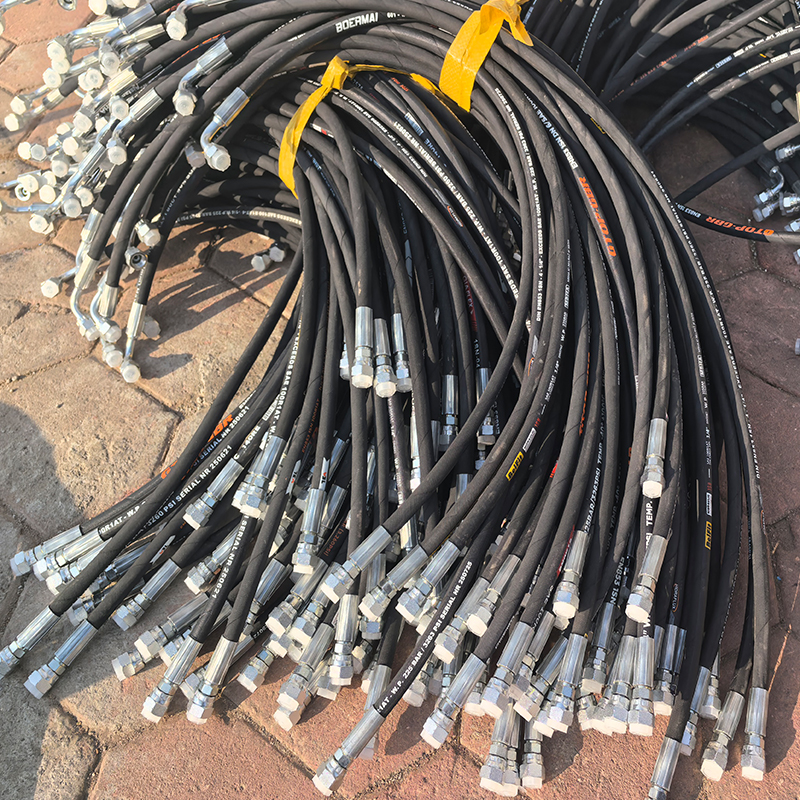 How to Create a Proactive Spiral Hydraulic Hose Replacement Plan That Prevents Downtime?
 Is Your Hydraulic System Overstressing? 5 Diagnostic Signs You Need to Upgrade to Spiral Hose
 Is Your Hydraulic System Pushing Limits? When to Specify Spiral Hose vs. Braided?
 Is Your Machinery Demanding More? Why Upgrade to a Spiral Hydraulic Hose?