
For industries relying on durable, weather-resistant components, the question of whether rubber service plugs can withstand prolonged exposure to ultraviolet (UV) rays is critical. These plugs, often used to seal openings, protect internal systems, or prevent contamination, are frequently deployed in outdoor environments. From construction sites to automotive applications, their ability to resist UV degradation directly impacts their longevity and performance. This article explores the science behind UV resistance in rubber, factors influencing durability, and practical considerations for selecting the right material.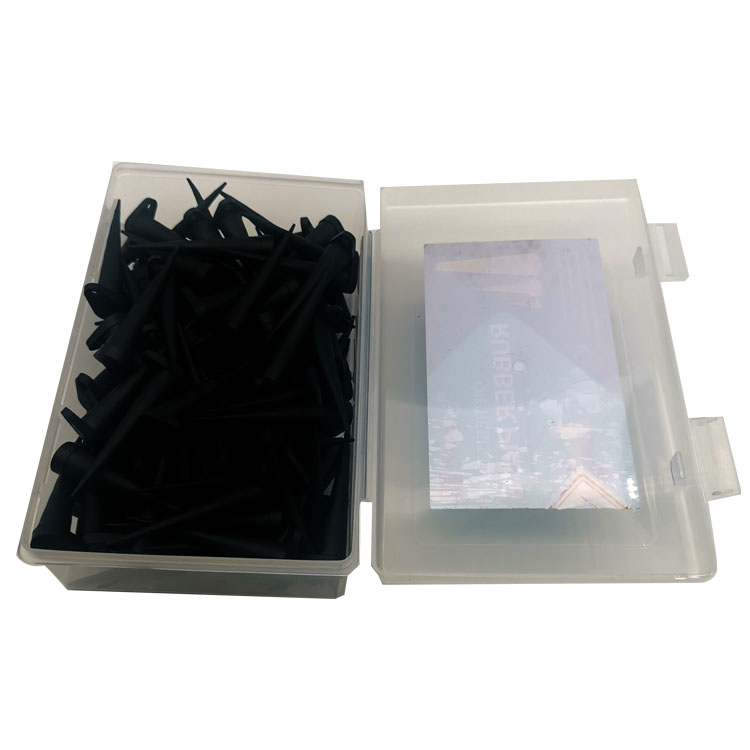
Understanding UV Exposure and Material Degradation
UV radiation, a component of sunlight, consists of UVA, UVB, and UVC rays. While the Earth’s atmosphere filters out most UVC, UVA and UVB rays penetrate surfaces, causing chemical reactions in materials like rubber. Over time, UV exposure can lead to photodegradation, a process where molecular bonds in rubber break down. This results in symptoms such as cracking, brittleness, discoloration, and loss of elasticity—all of which compromise the plug’s sealing capability.
The severity of degradation depends on factors like the rubber’s chemical composition, the intensity and duration of UV exposure, and environmental conditions like temperature and humidity. For example, a plug exposed to direct sunlight in a desert climate will degrade faster than one in a shaded, temperate region.
The Role of Rubber Composition in UV Resistance
Not all rubber materials respond equally to UV rays. The base polymer and additives used during manufacturing determine a plug’s resilience. Common rubber types include:
Natural Rubber: Derived from latex, it offers excellent elasticity but limited UV resistance unless treated with stabilizers.
Synthetic Rubbers (e.g., EPDM, Neoprene): Engineered for specific properties, some synthetics inherently resist UV better. EPDM (ethylene propylene diene monomer), for instance, is widely used in outdoor applications due to its stability under sunlight.
Thermoplastic Elastomers (TPEs): These hybrids combine rubber-like flexibility with plastic’s durability, often including UV-stabilizing additives.
Manufacturers enhance UV resistance by incorporating stabilizers, antioxidants, and carbon black (a pigment that absorbs UV rays). These additives act as a protective shield, extending the material’s lifespan.
Industry Standards and Testing for UV Resistance
To ensure reliability, rubber service plugs undergo rigorous testing aligned with industry standards. Organizations like ASTM (American Society for Testing and Materials) and ISO (International Organization for Standardization) define protocols for evaluating UV aging. Common tests include:
Accelerated Weathering: Simulates long-term UV exposure using artificial sunlight chambers.
QUV Testing: Exposes samples to alternating cycles of UV light and moisture to replicate outdoor conditions.
Tensile Strength and Elongation Tests: Measures how much force a material can withstand before breaking, both before and after UV exposure.
Products meeting these standards are labeled as “UV-resistant” or “weatherproof,” providing assurance for buyers. However, it’s essential to note that “UV-resistant” does not mean “UV-proof”; even high-quality materials degrade over decades.
Applications Where UV Resistance Matters Most
Rubber service plugs are deployed in environments where UV exposure is unavoidable. Key industries include:
Automotive: Sealing plugs for engine compartments, fuel systems, or exterior components must endure sunlight and temperature fluctuations.
Construction: Plugs used in outdoor infrastructure projects, such as sealing concrete forms or protecting electrical boxes, require long-term durability.
Telecommunications: Outdoor enclosures for fiber-optic cables or utility boxes rely on UV-resistant plugs to prevent moisture ingress.
Marine and Aerospace: Components exposed to high-altitude sunlight or reflective water surfaces demand superior UV protection.
In these sectors, failing to account for UV resistance can lead to costly repairs, safety hazards, or system failures.
Maintenance Tips to Extend Plug Lifespan
While material selection is crucial, proper maintenance can significantly prolong a rubber plug’s life. Consider these strategies:
Regular Inspections: Check for cracks, discoloration, or hardening, especially in plugs exposed to direct sunlight.
Protective Coatings: Apply UV-resistant sprays or silicone-based lubricants to create an additional barrier.
Shading or Covers: Use physical barriers like enclosures or covers to reduce direct UV exposure.
Rotation: In stationary applications, rotate plugs periodically to distribute wear evenly.
Storage Practices: When not in use, store plugs in cool, dark environments away from heat sources.
Environmental Factors Beyond UV Rays
UV resistance is just one piece of the durability puzzle. Other environmental stressors include:
Ozone Exposure: Common in industrial areas, ozone accelerates rubber breakdown. Specialized compounds, like ozone-resistant EPDM, are often required.
Temperature Extremes: High heat softens rubber, while cold makes it brittle. Materials must maintain flexibility across expected temperature ranges.
Chemical Exposure: Oils, solvents, or salts can degrade rubber. Compatibility testing ensures plugs resist specific chemicals in their operating environment.
A holistic approach to material selection considers all these factors to ensure optimal performance.
Conclusion: Making Informed Choices for Long-Term Performance
The question of whether rubber service plugs resist UV rays hinges on material science, manufacturing processes, and environmental context. While no rubber is entirely immune to UV degradation, advancements in synthetic polymers and additives have produced highly durable options suitable for demanding applications.
 How to Create a Proactive Spiral Hydraulic Hose Replacement Plan That Prevents Downtime?
 Is Your Hydraulic System Overstressing? 5 Diagnostic Signs You Need to Upgrade to Spiral Hose
 Is Your Hydraulic System Pushing Limits? When to Specify Spiral Hose vs. Braided?
 Is Your Machinery Demanding More? Why Upgrade to a Spiral Hydraulic Hose?