
When it comes to maintaining or repairing systems that involve fluids, gases, or even electrical components, rubber service plugs play a quiet yet critical role. These flexible, durable tools are designed to seal openings temporarily, preventing contamination, leaks, or accidental exposure during service work. But one question often arises: Are rubber service plugs reusable? The answer isn’t a simple “yes” or “no”—it depends on several factors, including material quality, usage conditions, and proper maintenance. Let’s explore this topic in depth to help you make informed decisions.
What Are Rubber Service Plugs, and Why Are They Used?
Rubber service plugs are flexible stoppers made from synthetic or natural rubber compounds. They’re engineered to fit snugly into holes, pipes, or connectors, creating an airtight or watertight seal. Their primary purpose is to block access points during maintenance, storage, or transportation. For example, mechanics use them to seal fuel lines or coolant systems when servicing engines, while manufacturers might plug threaded holes in machinery to prevent debris from entering.
The versatility of rubber service plugs lies in their adaptability. They come in various shapes—conical, cylindrical, or flanged—to accommodate different openings. Their soft yet resilient material allows them to conform to irregular surfaces, ensuring a secure fit without damaging the host component. This makes them indispensable in industries ranging from automotive and aerospace to plumbing and electronics.
The Reusability Factor: It Depends on the Material
Not all rubber service plugs are created equal. The reusability of a plug hinges on the type of rubber used in its construction.
Natural Rubber: Known for its elasticity and tear resistance, natural rubber plugs can withstand repeated use if stored properly. However, they’re vulnerable to oils, solvents, and extreme temperatures, which can degrade the material over time.
Synthetic Rubbers (e.g., Nitrile, Silicone, EPDM): These materials are engineered for specific environments. Nitrile, for instance, resists oils and fuels, making it ideal for automotive applications. Silicone withstands high temperatures, while EPDM excels in outdoor settings due to its UV resistance. Synthetic plugs often last longer and can be reused multiple times if they remain free from cuts, cracks, or chemical damage.
The key takeaway? Always match the plug material to the job’s demands. A plug exposed to harsh chemicals may not survive as many uses as one used in a dry, temperature-controlled environment.
Signs Your Rubber Service Plug Has Reached Its Limit
Even the highest-quality rubber service plugs have a finite lifespan. Reusing a compromised plug can lead to leaks, contamination, or safety hazards. Watch for these red flags:
Visible Cracks or Tears: Over time, rubber dries out and becomes brittle, especially when exposed to sunlight or chemicals.
Permanent Deformation: If a plug no longer returns to its original shape after compression, it’s lost its elasticity.
Shrinkage or Swelling: Exposure to incompatible fluids can cause rubber to shrink (leading to loose fits) or swell (making removal difficult).
Discoloration or Stickiness: These signs often indicate chemical breakdown or contamination.
Regular inspections are crucial. If a plug shows any of these symptoms, discard it immediately—even if it “still fits.”
How to Extend the Lifespan of Your Rubber Service Plugs
Proper care can significantly increase the number of times you reuse a rubber service plug. Follow these best practices:
Clean After Each Use: Remove dirt, grease, or residual fluids with mild soap and water. Avoid harsh chemicals that could accelerate degradation.
Store in a Cool, Dark Place: Heat and UV light degrade rubber over time. A drawer or cabinet away from direct sunlight is ideal.
Avoid Overstretching: Never force a plug into an opening that’s too large. This can permanently distort its shape.
Use the Right Size: A plug that’s too small won’t seal properly, while one that’s too large may stretch beyond recovery.
By treating your plugs with care, you’ll maximize their utility and safety.
When to Opt for Single-Use Plugs
While reusability is cost-effective, some scenarios demand disposable plugs. For instance:
Critical Systems: In applications where leaks could cause catastrophic damage (e.g., aerospace or medical devices), single-use plugs eliminate the risk of human error in reuse.
Contaminated Environments: If a plug has been exposed to hazardous substances, reusing it could spread contamination.
Time-Sensitive Projects: On job sites where efficiency is paramount, disposable plugs save time on inspections and cleaning.
Weigh the cost of replacement against the potential consequences of a failed seal.
Environmental Considerations: Reuse vs. Disposal
Reusing rubber service plugs aligns with sustainability goals by reducing waste. However, even reusable plugs eventually reach the end of their life cycle. When disposing of them, consider:
Recycling: Some facilities accept rubber for repurposing into products like floor mats or playground surfaces.
Energy Recovery: If recycling isn’t an option, rubber can be incinerated for energy in specialized facilities.
Landfill Avoidance: Whenever possible, choose biodegradable or eco-friendly rubber alternatives to minimize environmental impact.
Conclusion: Balance Practicality with Safety
So, are rubber service plugs reusable? Absolutely—when they’re made from durable materials, used appropriately, and maintained with care. However, reusability should never compromise safety or efficiency. Regular inspections, proper storage, and knowing when to replace a plug are essential to getting the most out of these humble yet vital tools.
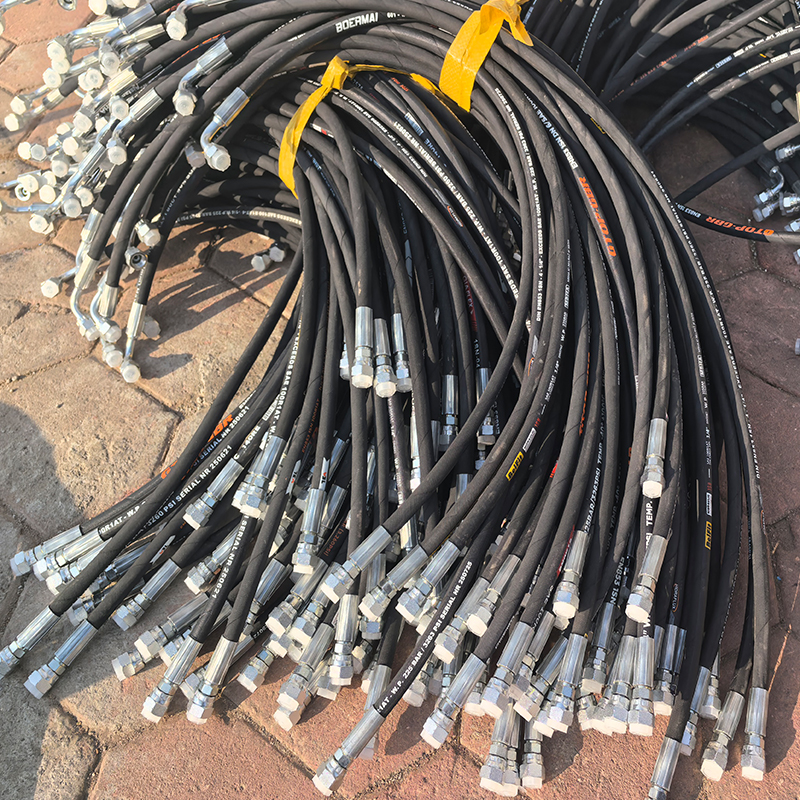 How to Create a Proactive Spiral Hydraulic Hose Replacement Plan That Prevents Downtime?
 Is Your Hydraulic System Overstressing? 5 Diagnostic Signs You Need to Upgrade to Spiral Hose
 Is Your Hydraulic System Pushing Limits? When to Specify Spiral Hose vs. Braided?
 Is Your Machinery Demanding More? Why Upgrade to a Spiral Hydraulic Hose?