
In industries ranging from automotive manufacturing to home improvement, rubber service plugs play a quiet yet critical role. These flexible, durable components seal openings, protect internal systems, and prevent contamination during maintenance or storage. But for businesses and consumers alike, a common question arises: Can these plugs be tailored to meet specific needs? The answer is a resounding yes—and the possibilities for customization are far more extensive than many realize. Let’s explore how rubber service plugs can be adapted to fit unique requirements, from design tweaks to advanced material engineering.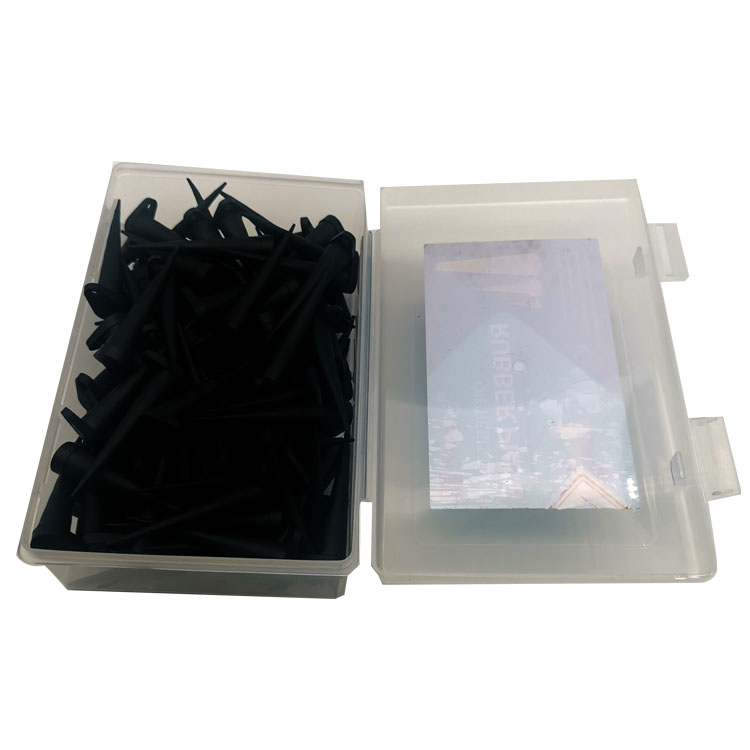
Why Customization Matters
Off-the-shelf rubber plugs are designed for general use, but real-world applications often demand precision. Imagine a manufacturer needing plugs to fit irregularly shaped ports or a contractor requiring heat-resistant seals for outdoor equipment. Standard sizes or materials might fail in these scenarios, leading to leaks, inefficiency, or even safety hazards. Customization bridges this gap by ensuring plugs align perfectly with functional and environmental demands.
Businesses also benefit from branding opportunities. A customized plug in a distinct color or shape can reinforce brand identity, while specialized features like textured grips or embedded logos add professional value. For end-users, tailored solutions reduce waste and improve longevity, as plugs are less likely to degrade or malfunction when built for purpose.
Material Flexibility: Beyond Basic Rubber
The term “rubber” is broad, encompassing natural rubber, synthetic elastomers, and advanced blends. Customization begins with material selection, as each type offers unique properties:
Natural rubber excels in flexibility and tear resistance but may struggle in extreme temperatures.
Silicone withstands harsh chemicals and extreme heat, making it ideal for medical or automotive applications.
Neoprene resists oils and weathering, suited for outdoor industrial use.
EPDM (ethylene propylene diene monomer) thrives in UV exposure and water, common in roofing or automotive seals.
A custom order might involve blending materials to achieve specific traits, such as a plug that’s both oil-resistant and flexible at low temperatures. Manufacturers can also adjust hardness (durometer) to balance grip and durability, ensuring the plug performs under pressure without cracking.
Designing for Form and Function
Shape and size customization is where rubber plugs truly transform. While standard plugs are cylindrical or conical, custom designs can include:
Multi-tiered plugs for layered openings.
Flange extensions to secure plugs in recessed holes.
Asymmetrical profiles to fit irregular ports.
Integrated handles for easy removal in tight spaces.
Consider a plumbing company needing plugs to seal pipes during pressure tests. A custom design might feature a tapered body with ribbed edges to create an airtight seal, paired with a looped handle for quick extraction. Similarly, automotive manufacturers often require plugs with precise diameters and lengths to match engine components, reducing the risk of misalignment during assembly.
Color and Branding: More Than Aesthetics
While functionality drives customization, visual appeal matters too. Color-coding plugs by size or application streamlines inventory management in workshops or factories. For example, red plugs could denote high-temperature resistance, while blue indicates chemical compatibility.
Branding opportunities extend further. Embossing a logo onto the plug’s surface or molding it into the design turns a utilitarian item into a marketing tool. A contractor using branded plugs on job sites inadvertently advertises their attention to detail, fostering trust with clients.
Environmental and Regulatory Compliance
Customization isn’t just about performance—it’s about meeting standards. Industries like healthcare, aerospace, and food processing require plugs that comply with strict regulations. For instance:
Medical-grade silicone must be biocompatible and sterilizable.
Automotive plugs may need to meet flame-retardant specifications.
Food-safe rubber cannot leach harmful chemicals when exposed to edibles.
Manufacturers can tailor formulations to pass certifications like FDA, RoHS, or REACH, ensuring plugs align with global safety protocols. This is particularly vital for businesses exporting goods, as non-compliance can lead to costly recalls or legal issues.
The Role of Prototyping and Testing
Customizing rubber plugs isn’t a one-size-fits-all process. It involves collaboration between designers, engineers, and end-users to refine specifications. Prototyping is key here: a 3D-printed model or a small batch of samples allows stakeholders to test fit, function, and durability before full-scale production.
For example, a company developing plugs for underwater drones might prototype several versions with varying buoyancy levels. Through iterative testing, they’d identify the optimal density to keep the drone stable without compromising seal integrity.
Cost Considerations: Balancing Quality and Budget
Customization often comes with a higher price tag than off-the-shelf options, but the investment pays off in long-term efficiency. Small businesses might worry about minimum order quantities (MOQs), but many manufacturers offer flexible terms for prototypes or low-volume runs.
The key is prioritizing customizations that add the most value. A startup might focus on material upgrades for durability, while a large corporation could invest in branded designs for customer-facing applications. Over time, customized plugs reduce replacement costs and downtime, offsetting initial expenses.
Conclusion: The Future of Tailored Solutions
Rubber service plugs are far from one-dimensional. From material science to ergonomic design, customization empowers businesses to solve unique challenges while enhancing product quality and brand recognition. As industries evolve, the demand for specialized plugs will only grow, driven by innovations in sustainability (e.g., recycled rubber blends) and smart manufacturing (e.g., IoT-enabled seals).
For anyone questioning whether rubber service plugs can be customized, the answer is clear: they can—and should—be. By partnering with manufacturers who prioritize flexibility and precision, businesses unlock solutions that are as unique as their needs. Whether safeguarding a high-tech prototype or sealing a residential sink, the right plug makes all the difference.
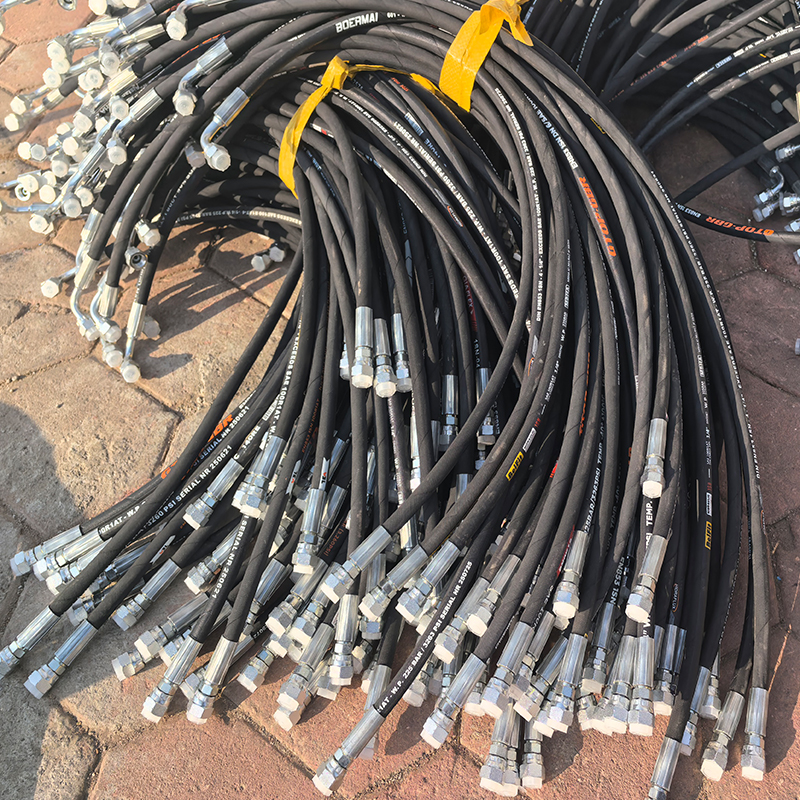 How to Create a Proactive Spiral Hydraulic Hose Replacement Plan That Prevents Downtime?
 Is Your Hydraulic System Overstressing? 5 Diagnostic Signs You Need to Upgrade to Spiral Hose
 Is Your Hydraulic System Pushing Limits? When to Specify Spiral Hose vs. Braided?
 Is Your Machinery Demanding More? Why Upgrade to a Spiral Hydraulic Hose?