
Gas pipelines are critical infrastructure, transporting natural gas and other fuels across vast distances to power homes, businesses, and industries. Ensuring their safety and integrity is non-negotiable. One question that often arises in this context is whether rubber service plugs—flexible, durable components designed for temporary or permanent sealing—can be safely used in gas pipeline systems. This article explores their suitability, benefits, and considerations for use in such high-stakes environments.
The Role of Rubber Service Plugs in Pipeline Systems
Rubber service plugs are engineered to create airtight or watertight seals in pipes, valves, and fittings. Their primary purpose is to prevent leaks, contamination, or pressure loss during maintenance, testing, or installation. Unlike rigid plugs, which may crack under stress, rubber plugs adapt to irregularities in pipe surfaces, offering a secure fit even in uneven or aged pipelines.
In gas pipelines, these plugs serve multiple roles. They can isolate sections of the pipeline for repairs, block out debris during construction, or act as temporary barriers during pressure tests. Their flexibility also makes them ideal for retrofitting older pipelines where standard fittings may no longer align perfectly.
Material Science: Why Rubber Stands Out
The suitability of rubber service plugs for gas pipelines hinges on their material composition. Modern rubber plugs are crafted from specialized elastomers, such as nitrile, neoprene, or fluorocarbon, which are chosen for their resistance to chemicals, temperature extremes, and pressure fluctuations.
Chemical Resistance: Gas pipelines often carry hydrocarbons, sulfur compounds, and other corrosive substances. High-quality rubber plugs resist degradation from these chemicals, ensuring longevity.
Temperature Tolerance: Rubber remains pliable in cold environments and stable under heat, preventing brittleness or deformation.
Pressure Handling: Engineered to withstand both internal pipeline pressure and external forces, these plugs maintain their seal even under stress.
Manufacturers also reinforce rubber plugs with fabric or metal inserts to enhance their structural integrity, making them robust enough for industrial applications.
Safety Standards and Regulatory Compliance
Safety is paramount in gas pipeline operations. Rubber service plugs used in such systems must adhere to stringent industry standards, such as those set by the American Society of Mechanical Engineers (ASME) and the Department of Transportation (DOT). These standards dictate material specifications, pressure ratings, and testing protocols.
For instance, plugs intended for gas pipelines undergo rigorous testing, including hydrostatic pressure tests, fire resistance evaluations, and compatibility checks with transported gases. Compliance with these standards ensures that the plugs perform reliably under real-world conditions, minimizing risks of leaks or failures.
Applications: When and Where to Use Them
Rubber service plugs are versatile, but their deployment in gas pipelines requires careful planning. Common scenarios include:
Maintenance and Repairs: Isolating a damaged section of the pipeline to allow safe repairs without depressurizing the entire system.
Pressure Testing: Sealing off segments during hydrostatic or pneumatic tests to verify pipeline integrity.
New Installations: Temporarily blocking pipes during construction to prevent debris or moisture from entering.
Emergency Shutdowns: Quickly sealing leaks or ruptures to contain gas until permanent repairs can be made.
Their adaptability makes them invaluable in both planned operations and unforeseen emergencies, provided they are selected and installed correctly.
Challenges and Considerations
While rubber service plugs offer numerous advantages, their use in gas pipelines is not without challenges. Key considerations include:
Gas Compatibility: Not all rubber compounds are suitable for every type of gas. For example, plugs exposed to hydrogen sulfide (H₂S) require specialized materials to prevent corrosion.
Installation Errors: Improper sizing or installation can lead to leaks. Training personnel to follow manufacturer guidelines is essential.
Aging Infrastructure: Older pipelines may have irregularities that standard plugs cannot accommodate. Custom-engineered solutions may be necessary.
Long-Term Reliability: While rubber plugs excel in temporary applications, their durability over decades in harsh environments requires periodic inspection and replacement.
Addressing these challenges demands collaboration between engineers, safety experts, and material scientists to ensure optimal performance.
Environmental and Economic Benefits
Beyond safety, rubber service plugs offer environmental and economic advantages. By preventing leaks, they reduce methane emissions—a potent greenhouse gas—contributing to climate goals. Their reusable nature also minimizes waste, aligning with sustainability initiatives.
Economically, these plugs lower operational costs by streamlining maintenance. Temporary seals allow for faster repairs, reducing downtime and associated losses. Additionally, their lightweight design simplifies transportation and handling compared to heavier metal alternatives.
Conclusion: A Balanced Approach to Pipeline Safety
Rubber service plugs can indeed be used in gas pipelines, provided they meet industry standards, are selected for the specific gas and conditions, and are installed correctly. Their flexibility, durability, and compliance with safety regulations make them a valuable tool for maintaining pipeline integrity.
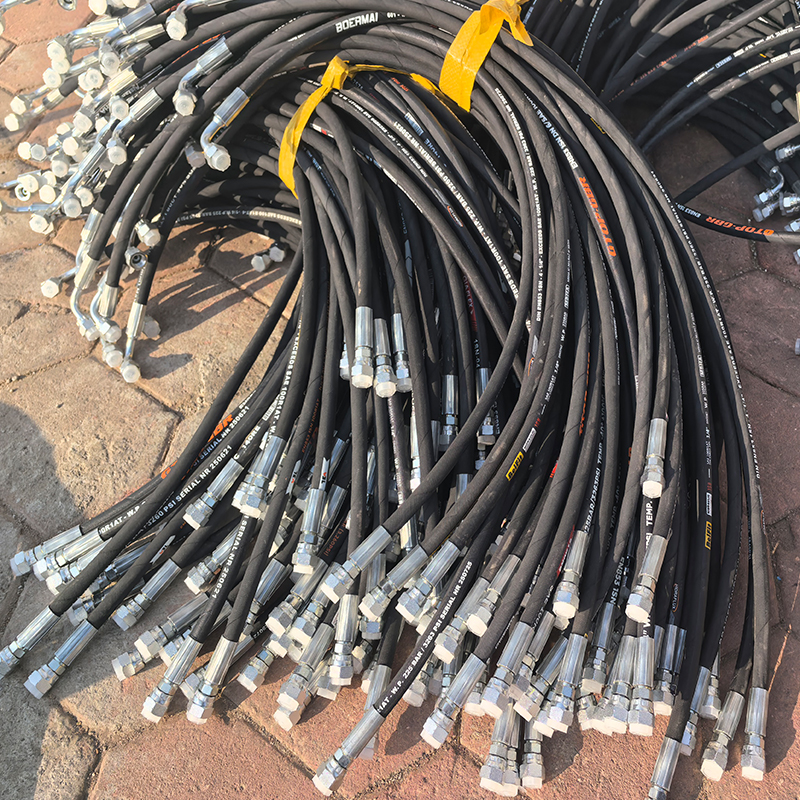 How to Create a Proactive Spiral Hydraulic Hose Replacement Plan That Prevents Downtime?
 Is Your Hydraulic System Overstressing? 5 Diagnostic Signs You Need to Upgrade to Spiral Hose
 Is Your Hydraulic System Pushing Limits? When to Specify Spiral Hose vs. Braided?
 Is Your Machinery Demanding More? Why Upgrade to a Spiral Hydraulic Hose?