
Medical equipment demands precision, safety, and reliability. Every component, no matter how small, plays a critical role in ensuring devices function as intended. Among these components, rubber service plugs—often overlooked but essential—serve as versatile tools for sealing, protecting, and maintaining equipment. But can they truly meet the stringent requirements of medical applications? Let’s explore their role, benefits, and considerations in this high-stakes field.
Understanding Rubber Service Plugs: More Than Just a Seal
Rubber service plugs are flexible, durable components designed to create airtight or watertight seals in openings, ports, or connectors. Made from materials like silicone, neoprene, or synthetic rubbers, they resist environmental factors such as moisture, chemicals, and temperature fluctuations. Their primary purpose is to prevent contamination, protect internal parts, and maintain sterility—qualities that align seamlessly with medical equipment needs.
In medical settings, these plugs are used in everything from diagnostic machines to surgical tools. For example, they might seal fluid reservoirs in IV pumps, protect sensor ports in imaging devices, or block debris from entering sterile environments. Their adaptability makes them indispensable for both temporary and permanent applications.
Key Advantages in Medical Environments
Sterility and Hygiene
Medical equipment must adhere to strict cleanliness standards. Rubber service plugs are often manufactured in sterile environments and can withstand autoclaving or chemical sterilization. Their non-porous surfaces prevent bacterial growth, reducing infection risks.
Chemical Resistance
Hospitals use aggressive cleaning agents to disinfect equipment. These plugs resist corrosion from alcohols, bleaches, and other chemicals, ensuring longevity without degrading.
Temperature Tolerance
From cold storage units to heated sterilization processes, medical environments expose components to extreme temperatures. High-quality rubber plugs remain flexible and functional, preventing cracks or leaks.
Customization for Precision
Medical devices vary widely in design. Rubber plugs can be tailored to fit unique shapes, sizes, or threading requirements, ensuring compatibility across diverse equipment.
Common Applications in Healthcare
Diagnostic and Imaging Equipment
MRI machines, CT scanners, and ultrasound devices rely on plugs to seal cooling ports, cable connectors, and fluid pathways. This protects sensitive electronics from dust and liquid damage.
Surgical and Laboratory Tools
Endoscopes, laparoscopic instruments, and centrifuges use plugs to maintain sterility during storage or transport. They also prevent contamination when devices are not in use.
Fluid Management Systems
In IV pumps, dialysis machines, and syringe dispensers, plugs ensure accurate fluid flow by sealing reservoirs or tubing connections.
Portable Medical Devices
Defibrillators, glucose meters, and portable ventilators often incorporate plugs to shield charging ports or calibration interfaces from environmental hazards.
Material Matters: Choosing the Right Rubber
Not all rubber plugs are created equal. Medical-grade materials must comply with regulations like USP Class VI or ISO 10993. which test for biocompatibility and toxicity.
Silicone: Ideal for prolonged skin contact or sterilization, as it’s hypoallergenic and heat-resistant.
Neoprene: Offers excellent chemical resistance and durability for harsh cleaning protocols.
Thermoplastic Elastomers (TPE): Combines rubber-like flexibility with recyclability, suitable for eco-conscious facilities.
Selecting the wrong material could lead to equipment failure or health risks, underscoring the importance of partnering with suppliers familiar with medical standards.
Compliance and Regulatory Considerations
The medical industry is heavily regulated, and components like rubber plugs must meet criteria set by the FDA, EPA, and other agencies. Key considerations include:
Biocompatibility: Ensuring no harmful substances leach into patients or medical staff.
Traceability: Manufacturers must document material sourcing and production processes for audits.
Sterilization Validation: Plugs must maintain integrity after repeated sterilization cycles.
Facilities that prioritize compliance reduce liability risks and ensure patient safety.
Challenges and Limitations
While rubber service plugs offer numerous benefits, they aren’t without challenges.
Long-Term Degradation
Exposure to UV light or ozone over time can cause rubber to harden or crack. Medical-grade plugs often include additives to mitigate this.
Compatibility Issues
Some medical adhesives or lubricants may react with certain rubber compounds. Testing is crucial to avoid chemical interactions.
Cost vs. Performance
High-grade medical rubber is more expensive than industrial alternatives. However, skimping on quality can lead to costly equipment failures or safety incidents.
Future Innovations in Medical Rubber Plugs
Advancements in material science are expanding the possibilities for rubber service plugs.
Smart Plugs with Sensors: Emerging designs integrate temperature or pressure sensors to monitor equipment conditions in real time.
Antimicrobial Coatings: Additives like silver ions can inhibit bacterial growth on plug surfaces.
3D-Printed Customization: On-demand manufacturing allows for rapid prototyping of plugs tailored to niche medical devices.
As healthcare evolves, these innovations will ensure rubber plugs remain indispensable in maintaining equipment reliability.
Conclusion: A Small Component with Big Impact
Rubber service plugs may seem like minor parts, but their role in medical equipment is anything but trivial. From ensuring sterility to withstanding harsh environments, they provide critical support for devices that save lives. By selecting the right materials, adhering to regulations, and staying ahead of technological trends, manufacturers and healthcare providers can leverage these unassuming components to enhance safety, efficiency, and patient care.
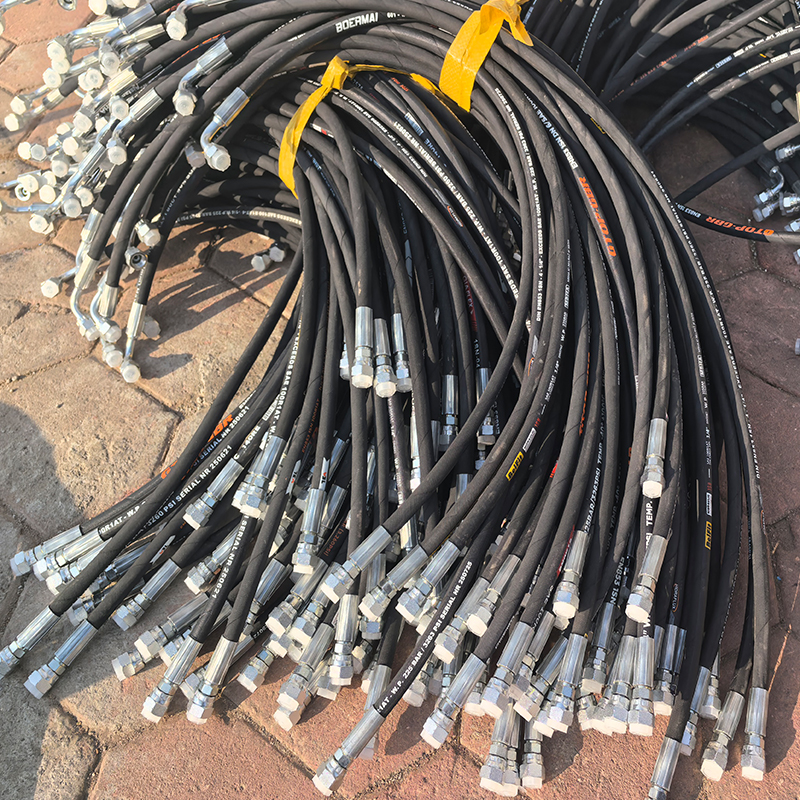 How to Create a Proactive Spiral Hydraulic Hose Replacement Plan That Prevents Downtime?
 Is Your Hydraulic System Overstressing? 5 Diagnostic Signs You Need to Upgrade to Spiral Hose
 Is Your Hydraulic System Pushing Limits? When to Specify Spiral Hose vs. Braided?
 Is Your Machinery Demanding More? Why Upgrade to a Spiral Hydraulic Hose?