
For industries relying on water-based systems—from marine construction to underwater infrastructure maintenance—the question of whether service plugs can withstand submerged environments is critical. These versatile components, designed to seal openings temporarily, are often tasked with preventing leaks, protecting internal systems, or facilitating safe testing. But how do they perform when fully submerged? This article explores the capabilities, limitations, and practical applications of service plugs in underwater scenarios, offering clarity for professionals
navigating wet environments.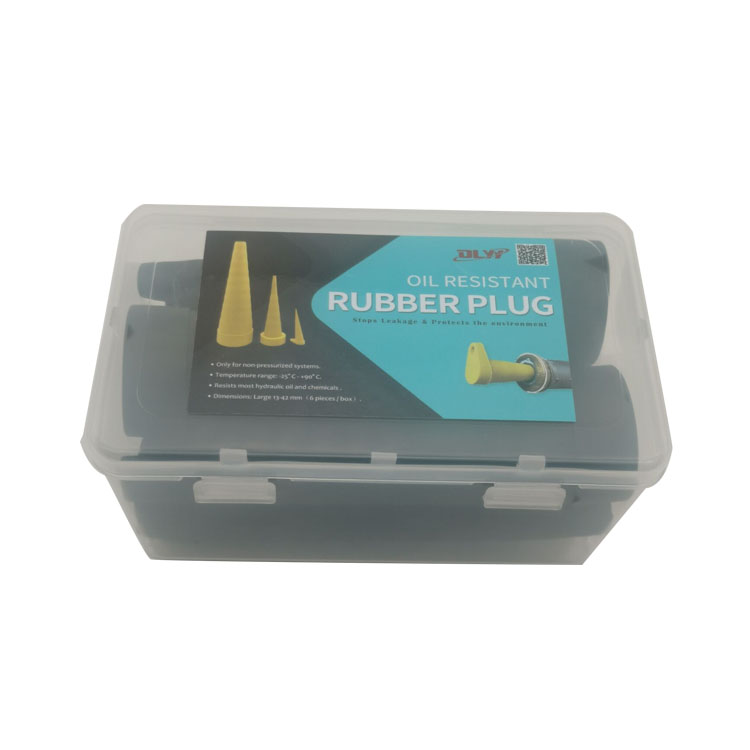
What Defines a Service Plug’s Water Resistance?
Not all service plugs are created equal. Their ability to function underwater hinges on material composition, design, and manufacturing standards. Rubber-based plugs, for instance, are popular for their flexibility and natural resistance to water penetration. However, the specific type of rubber—such as neoprene, silicone, or EPDM—determines how well it handles prolonged submersion.
Key factors include:
Material Durability: Some rubbers degrade when exposed to saltwater, chemicals, or extreme temperatures.
Compression Seal: A plug must maintain pressure against the opening it seals to prevent water ingress.
Chemical Resistance: Underwater environments may contain oils, fuels, or cleaning agents that compromise certain materials.
Industry standards, such as those set by the American Society for Testing and Materials (ASTM), provide guidelines for evaluating water resistance. Plugs labeled as “waterproof” or “submersible” typically meet stricter criteria than general-purpose models.
Applications Where Underwater Use Is Essential
Service plugs prove invaluable in scenarios where temporary sealing underwater is unavoidable. For example:
Marine Vessel Maintenance: When repairing hulls or inspecting propulsion systems, plugs block water flow into compartments.
Underwater Piping Systems: During pressure testing of submerged pipes, plugs prevent flooding while technicians assess integrity.
Aquatic Construction: In bridge or dam projects, plugs seal drilled holes or conduit openings to maintain dry working conditions.
Emergency Repairs: A leaking underwater valve or hatch may require immediate plugging to avoid system failures.
In these cases, the plug’s ability to create a tight seal under pressure is non-negotiable. A failure could lead to costly delays, equipment damage, or safety hazards.
Challenges of Submerged Environments
Underwater conditions introduce unique stresses that terrestrial applications rarely face.
Hydrostatic Pressure: Water exerts force on all sides of a plug, increasing with depth. A shallow-water plug might fail at greater depths.
Temperature Fluctuations: Cold water can stiffen rubber, reducing its elasticity and seal effectiveness.
Corrosion Risks: Metal components in plugs (e.g., reinforcement plates) may rust in saltwater, weakening structural integrity.
Biofouling: Marine organisms like algae or barnacles can attach to plugs, interfering with their seal or causing blockages.
Manufacturers address these challenges by engineering plugs with reinforced cores, anti-corrosive coatings, or smooth surfaces to deter biofouling.
How to Select the Right Plug for Underwater Use
Choosing a service plug for submerged applications requires careful consideration of:
Depth Rating: Verify the maximum depth the plug can withstand without leaking.
Material Compatibility: Ensure the rubber or composite used resists the specific water type (fresh, salt, or chemically treated).
Size and Fit: An ill-fitting plug is as ineffective as a low-quality one. Precision matters.
Ease of Installation: Underwater work demands tools that can be installed or removed quickly, often with limited visibility.
Regulatory Compliance: Some industries, like offshore drilling, mandate plugs meeting strict safety certifications.
Consulting with engineers or suppliers familiar with underwater systems can prevent mismatches between the plug and its environment.
Maintenance Tips for Prolonged Underwater Performance
Even the most durable service plugs require upkeep to function reliably over time.
Regular Inspections: Check for cracks, swelling, or material degradation before and after each use.
Cleaning Protocols: Rinse plugs with fresh water after saltwater exposure to remove corrosive residues.
Storage Practices: Store plugs in cool, dry places away from direct sunlight, which can accelerate rubber breakdown.
Replacement Schedules: Follow manufacturer guidelines for lifespan. Overusing a plug beyond its rated duration risks failure.
Real-World Success Stories
Across the U.S., service plugs have proven their worth in challenging underwater projects. For instance, a coastal engineering firm used reinforced rubber plugs to seal tidal gate openings during repairs, preventing saltwater intrusion into sensitive electrical systems. Similarly, a shipyard relied on custom-fitted plugs to isolate sections of a vessel’s hull during welding, maintaining a dry workspace 30 feet below the surface.
These examples highlight that with proper selection and maintenance, service plugs can excel in environments where water is omnipresent.
Conclusion: Balancing Capability and Caution
While service plugs can be used underwater, their success depends on aligning the plug’s specifications with the demands of the environment. By prioritizing material quality, depth ratings, and maintenance, professionals can leverage these tools to safeguard projects, reduce downtime, and enhance safety.
 How to Create a Proactive Spiral Hydraulic Hose Replacement Plan That Prevents Downtime?
 Is Your Hydraulic System Overstressing? 5 Diagnostic Signs You Need to Upgrade to Spiral Hose
 Is Your Hydraulic System Pushing Limits? When to Specify Spiral Hose vs. Braided?
 Is Your Machinery Demanding More? Why Upgrade to a Spiral Hydraulic Hose?