
In the realm of industrial and automotive applications, service plugs play a crucial yet often underappreciated role. These small but mighty components are designed to seal off openings, prevent leaks, and maintain system integrity. One of the most common questions asked by professionals and enthusiasts alike is whether service plugs can withstand high temperatures. This article delves into the science behind service plugs, exploring their material composition, design features, and real-world applications to answer this pressing question.
The Science of Heat Resistance
At the heart of the matter lies the science of heat resistance. Materials react differently to elevated temperatures, and understanding these reactions is key to determining a service plug's ability to withstand heat. Generally, service plugs are crafted from materials with high melting points and excellent thermal stability. Rubber, for instance, is a popular choice due to its inherent elasticity and resistance to heat degradation.
When exposed to high temperatures, some materials may soften, deform, or even melt. However, specialized rubber compounds used in service plugs are engineered to resist such changes. These compounds often incorporate additives that enhance heat resistance, ensuring the plug maintains its shape and sealing properties even under extreme conditions.
Material Matters: Choosing the Right Rubber
Not all rubbers are created equal when it comes to heat resistance. Natural rubber, while versatile, may not be the best choice for high-temperature applications. Instead, manufacturers often opt for synthetic rubbers like silicone, fluorocarbon, or nitrile. Each of these materials offers unique advantages in terms of heat tolerance.
Silicone rubber, for example, excels in high-temperature environments, maintaining its flexibility and sealing capabilities even at temperatures exceeding 400°F (200°C). Fluorocarbon rubber, on the other hand, offers superior chemical resistance alongside its heat resistance, making it ideal for applications involving harsh chemicals. Nitrile rubber, while not as heat-resistant as silicone or fluorocarbon, still performs admirably in moderate temperature ranges and is often used in automotive and industrial settings.
Design Features for Enhanced Heat Resistance
Beyond material selection, the design of a service plug also plays a crucial role in its ability to resist high temperatures. Manufacturers employ various design features to enhance heat resistance and ensure long-lasting performance.
One such feature is the incorporation of heat-resistant coatings or liners. These coatings act as a barrier, protecting the underlying rubber from direct exposure to extreme heat. Additionally, some service plugs are designed with reinforced structures, such as metal inserts or woven fabrics, to provide extra support and prevent deformation under high temperatures.
Another important design consideration is the plug's shape and size. A well-designed service plug will fit snugly into the opening it's meant to seal, minimizing the risk of heat-induced leaks. Manufacturers often use advanced modeling techniques to optimize the plug's geometry for maximum heat resistance and sealing efficiency.
Real-World Applications: Where High-Temperature Resistance Matters
The importance of heat-resistant service plugs becomes evident when examining their real-world applications. In the automotive industry, for instance, service plugs are used in engine compartments, exhaust systems, and cooling circuits. These areas are subject to extreme temperatures, and a failure in the service plug could lead to catastrophic consequences.
Similarly, in industrial settings, service plugs are employed in pipelines, boilers, and other high-temperature equipment. Here, the ability to resist heat is not just a matter of performance but also of safety. A heat-resistant service plug ensures that hazardous substances remain contained, preventing accidents and environmental damage.
Testing and Certification: Ensuring Reliability
To guarantee the heat resistance of service plugs, manufacturers subject them to rigorous testing and certification processes. These tests simulate real-world conditions, exposing the plugs to extreme temperatures and assessing their performance.
One common test is the heat aging test, where the plug is placed in an oven at a specified temperature for a set period. Afterward, its physical properties, such as hardness, tensile strength, and elongation, are measured to determine if they remain within acceptable limits.
Certification bodies, such as Underwriters Laboratories (UL) or the American Society for Testing and Materials (ASTM), provide independent verification of a service plug's heat resistance. Products that meet these standards bear the corresponding certification marks, giving users confidence in their performance.
Maintenance and Replacement: Extending Service Life
Even the most heat-resistant service plugs will eventually wear out. Regular maintenance and timely replacement are essential to ensure continued performance and safety.
Users should inspect service plugs periodically for signs of wear, such as cracks, deformation, or loss of elasticity. If any of these signs are present, the plug should be replaced immediately. Additionally, it's important to follow the manufacturer's recommendations for replacement intervals, as these are based on extensive testing and real-world experience.
Conclusion: The Verdict on Heat Resistance
So, can service plugs resist high temperatures? The answer is a resounding yes—provided they are made from the right materials, designed with heat resistance in mind, and subjected to rigorous testing and certification.
Whether in automotive, industrial, or other high-temperature applications, heat-resistant service plugs play a vital role in maintaining system integrity and preventing accidents. By understanding the science behind heat resistance, choosing the right materials and designs, and following proper maintenance practices, users can ensure that their service plugs perform reliably even under the most extreme conditions.
In conclusion, when it comes to service plugs and high temperatures, the key lies in selecting the right product for the job and treating it with the care and respect it deserves. With these considerations in mind, service plugs can indeed stand up to the heat, providing reliable sealing and protection for years to come.
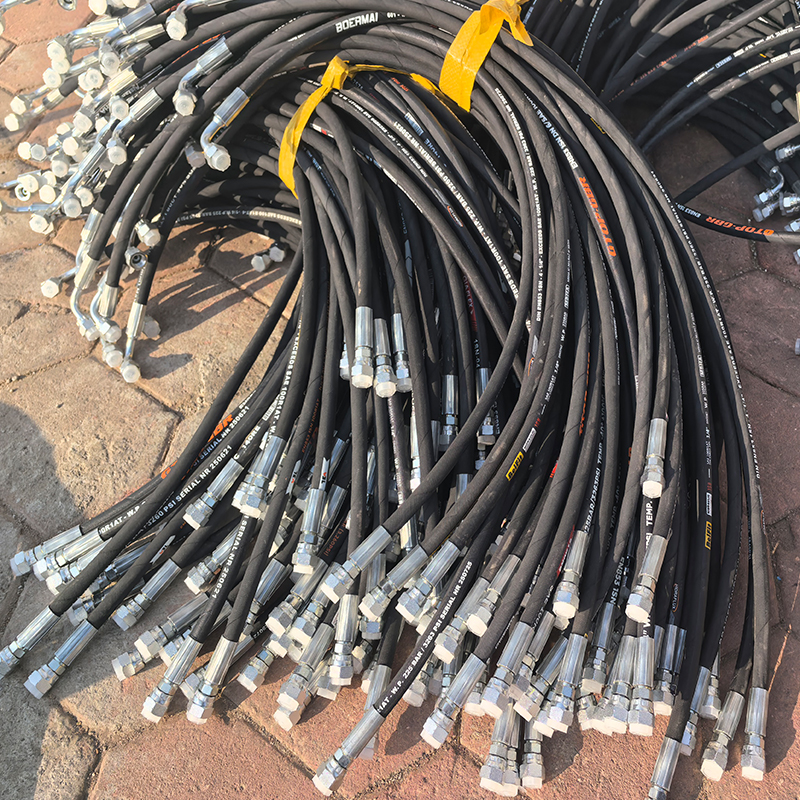 How to Create a Proactive Spiral Hydraulic Hose Replacement Plan That Prevents Downtime?
 Is Your Hydraulic System Overstressing? 5 Diagnostic Signs You Need to Upgrade to Spiral Hose
 Is Your Hydraulic System Pushing Limits? When to Specify Spiral Hose vs. Braided?
 Is Your Machinery Demanding More? Why Upgrade to a Spiral Hydraulic Hose?