
Corrosion is a silent adversary that affects countless industrial and household products, from plumbing systems to automotive components. For Americans relying on durable tools to maintain their homes, vehicles, or workspaces, the question of whether service plugs (commonly known as rubber plugs) can resist corrosion is both practical and pressing. This article explores the science behind corrosion resistance, the materials that make service plugs resilient, and how these versatile tools perform in real-world conditions.
Understanding Corrosion: What Threatens Your Tools?
Corrosion occurs when materials, particularly metals, react with environmental factors like moisture, oxygen, or chemicals, leading to degradation. While metals such as steel or iron are prone to rust, non-metallic materials like rubber face different challenges. For service plugs, corrosion resistance hinges on their ability to withstand chemical exposure, UV rays, and temperature fluctuations.
In American households and industries, service plugs are often used to seal openings in pipes, engines, or machinery during maintenance. If a plug corrodes, it may crack, leak, or fail to create an airtight seal, compromising safety and efficiency. Thus, understanding the factors that cause degradation is the first step in evaluating a plug’s durability.
The Role of Material Science in Corrosion Resistance
Not all service plugs are created equal. The key to their longevity lies in the materials used during manufacturing. High-quality plugs are typically made from synthetic rubbers or elastomers engineered to resist environmental stressors.
Neoprene: Known for its resilience against oils, chemicals, and ozone, neoprene is a popular choice for plugs used in automotive or industrial settings.
Silicone: With exceptional heat resistance and flexibility, silicone plugs perform well in high-temperature environments, such as engine compartments or HVAC systems.
EPDM (Ethylene Propylene Diene Monomer): This material excels in outdoor applications due to its resistance to UV rays, weathering, and water absorption.
By selecting the right material for specific conditions, manufacturers ensure service plugs maintain their integrity even in harsh environments.
Chemical Resistance: Can Service Plugs Handle Aggressive Substances?
In industries like manufacturing, agriculture, or automotive repair, service plugs may encounter aggressive chemicals, from solvents to acids. The chemical resistance of a plug depends on its molecular structure. For example, plugs made from fluorocarbon elastomers (FKM) are highly resistant to oils, fuels, and harsh cleaning agents, making them ideal for industrial use.
For everyday consumers, exposure to chemicals might involve household cleaners, gasoline, or brake fluid. A well-designed service plug will not degrade or swell when in contact with such substances, ensuring a reliable seal over time.
Temperature Extremes: From Freezing Cold to Scorching Heat
American climates vary dramatically, from the frigid winters of the Midwest to the sweltering summers of the South. Service plugs must adapt to these extremes without becoming brittle or malformed.
Cold Resistance: Low temperatures can cause some rubbers to harden and crack. Plugs formulated with additives to retain flexibility in freezing conditions are critical for outdoor applications.
Heat Resistance: High temperatures can accelerate chemical breakdown. Silicone-based plugs, for instance, remain stable at temperatures exceeding 400°F (204°C), making them suitable for engine bays or industrial machinery.
Manufacturers often test plugs under controlled conditions to ensure they meet industry standards for thermal stability.
UV and Ozone Exposure: The Silent Degraders
Prolonged exposure to sunlight and ozone can weaken rubber materials, leading to cracking or discoloration. This is particularly relevant for plugs used outdoors, such as those sealing pool equipment, irrigation systems, or outdoor machinery.
To combat UV degradation, manufacturers incorporate stabilizers into the rubber compound. These additives absorb harmful rays, prolonging the plug’s lifespan. Similarly, ozone-resistant materials prevent brittleness in environments with high electrical activity, such as near power generators or welding equipment.
Real-World Applications: How Service Plugs Perform in Everyday Scenarios
The true test of a service plug’s corrosion resistance lies in its performance across diverse settings. Consider these common use cases:
Automotive Maintenance: Plugs used to seal fuel lines or coolant systems must resist oils, antifreeze, and temperature swings.
Home Plumbing: In basements or garages, plugs sealing unused pipes must withstand moisture and occasional chemical exposure.
Marine Environments: Saltwater is notoriously corrosive, so plugs used in boats or coastal equipment require advanced material formulations.
Feedback from professionals in these fields highlights the importance of investing in plugs designed for specific challenges. A one-size-fits-all approach rarely succeeds when corrosion is a concern.
Maintenance Tips to Extend Your Service Plug’s Lifespan
Even the most corrosion-resistant service plug benefits from proper care. Here’s how users can maximize longevity:
Avoid Prolonged Chemical Exposure: If a plug contacts harsh substances, rinse it with water and dry thoroughly.
Store Properly: Keep plugs in a cool, dry place away from direct sunlight.
Inspect Regularly: Check for cracks, swelling, or discoloration, especially after extreme weather events.
Replace When Needed: Don’t reuse plugs that show signs of wear; compromised seals can lead to bigger issues.
By following these steps, consumers ensure their service plugs remain reliable for years.
Conclusion: Choosing the Right Service Plug for Your Needs
The question of whether service plugs can withstand corrosion isn’t answered with a simple yes or no. Instead, it depends on material quality, environmental conditions, and proper usage. For Americans seeking durable solutions for maintenance tasks, understanding these factors empowers informed decisions.
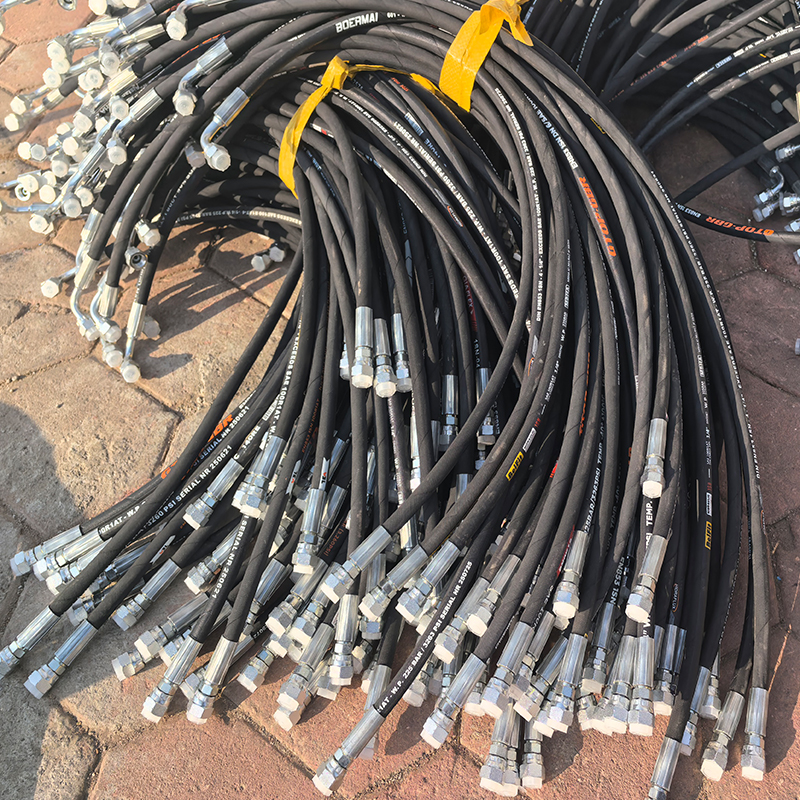 How to Create a Proactive Spiral Hydraulic Hose Replacement Plan That Prevents Downtime?
 Is Your Hydraulic System Overstressing? 5 Diagnostic Signs You Need to Upgrade to Spiral Hose
 Is Your Hydraulic System Pushing Limits? When to Specify Spiral Hose vs. Braided?
 Is Your Machinery Demanding More? Why Upgrade to a Spiral Hydraulic Hose?