
For industries relying on machinery, vehicles, or electrical systems, service plugs—often referred to as rubber plugs—play a critical yet underappreciated role. These components safeguard equipment during maintenance, storage, or transportation by sealing ports, preventing contamination, and protecting internal parts. But a common question arises: How long can you expect a service plug to last? The answer depends on material quality, usage conditions, and maintenance practices. Let’s explore the factors influencing longevity and how to maximize the lifespan of these essential tools.
The Role of Material Quality in Longevity
Service plugs are typically crafted from durable rubber compounds designed to resist environmental stressors. High-quality materials, such as silicone or specialized elastomers, offer superior resistance to temperature extremes, chemicals, and UV exposure. For example, a plug exposed to outdoor conditions in Arizona’s desert heat will degrade faster than one used in a climate-controlled warehouse.
Industry standards often dictate material specifications. Plugs used in automotive applications, for instance, must withstand engine bay temperatures and exposure to oils, while those in marine environments need resistance to saltwater and humidity. Investing in plugs made from premium materials ensures they retain flexibility and sealing capabilities over time, reducing the need for frequent replacements.
Environmental Factors That Impact Durability
The environment in which a service plug operates significantly affects its lifespan. Key considerations include:
Temperature Fluctuations: Repeated exposure to freezing cold or scorching heat can cause rubber to harden, crack, or lose elasticity.
Chemical Exposure: Fuels, solvents, or cleaning agents may degrade rubber over time. Plugs used in industrial settings often face harsher conditions than those in residential applications.
UV and Ozone Exposure: Prolonged sunlight or ozone-rich environments (common near electrical equipment) can accelerate rubber breakdown.
For instance, a service plug used to seal a generator’s exhaust port in a construction site will endure more wear than one protecting a lawn mower’s fuel tank during seasonal storage. Regular inspection in harsh environments helps identify deterioration early.
Usage Patterns: Frequency and Application
How often a service plug is installed and removed matters. Frequent cycling—such as daily removal for equipment testing—can stress the material, leading to wear at sealing edges or attachment points. Conversely, a plug left in place for months may face less mechanical stress but could degrade from prolonged environmental exposure.
The application also matters. A plug sealing a hydraulic system port undergoes constant pressure changes, while one protecting a dormant vehicle’s intake remains static. Understanding your equipment’s usage cycle allows you to select plugs rated for specific demands, ensuring reliability without overengineering.
Maintenance Practices to Extend Lifespan
Proactive care can double or triple a service plug’s useful life. Simple steps include:
Regular Cleaning: Remove dirt, grease, or chemical residues with mild soap and water. Avoid abrasive cleaners that can scratch surfaces.
Storage Conditions: Keep plugs in a cool, dry place away from direct sunlight. Using dedicated storage containers prevents deformation.
Inspection Routines: Check for cracks, brittleness, or compromised seals before reuse. Even minor damage can lead to leaks or failure under pressure.
For example, a fleet maintenance team might implement monthly checks for plugs used on delivery trucks, replacing any showing signs of wear. This approach minimizes unexpected failures and extends overall service intervals.
Signs It’s Time to Replace Your Service Plug
No service plug lasts forever. Watch for these red flags:
Visible Cracks or Tears: Even hairline fractures can compromise sealing ability.
Reduced Flexibility: Hard or brittle rubber indicates material breakdown.
Poor Fit: If a plug no longer sits snugly in its port, it may have shrunk or warped.
Leakage During Testing: A plug that fails to prevent air or fluid escape needs immediate replacement.
Ignoring these signs risks equipment damage or safety hazards. For critical systems, such as those in aviation or medical devices, adhering to strict replacement schedules is non-negotiable.
Industry-Specific Considerations
Different sectors impose unique demands on service plugs:
Automotive: Plugs must tolerate engine vibrations, heat cycles, and exposure to fuels.
Aerospace: Lightweight, high-temperature-resistant materials are essential for aircraft maintenance.
Agriculture: Plugs used on tractors or irrigation systems face mud, chemicals, and UV rays.
A dairy farm, for example, might prioritize plugs resistant to cleaning agents used in milking equipment, while a solar panel installer needs UV-stable options for long-term outdoor use. Tailoring choices to industry requirements ensures optimal performance.
Balancing Cost and Quality for Long-Term Savings
While budget-friendly plugs may seem appealing, cutting corners often leads to higher long-term costs. Cheaper materials degrade faster, requiring more frequent replacements and increasing downtime risks. Conversely, premium plugs designed for heavy-duty use may offer a lower cost-per-use over their lifespan.
Consider a manufacturing plant using plugs to seal robotic arms during maintenance. Opting for a mid-range, durable option could reduce annual replacement costs by 40% compared to a basic alternative. Always weigh upfront costs against projected longevity and performance.
Conclusion: Proactive Management Ensures Reliability
The lifespan of a service plug hinges on material quality, environmental conditions, usage patterns, and maintenance diligence. By selecting plugs suited to your industry’s demands, storing them properly, and inspecting them regularly, you can maximize their durability and avoid costly failures.
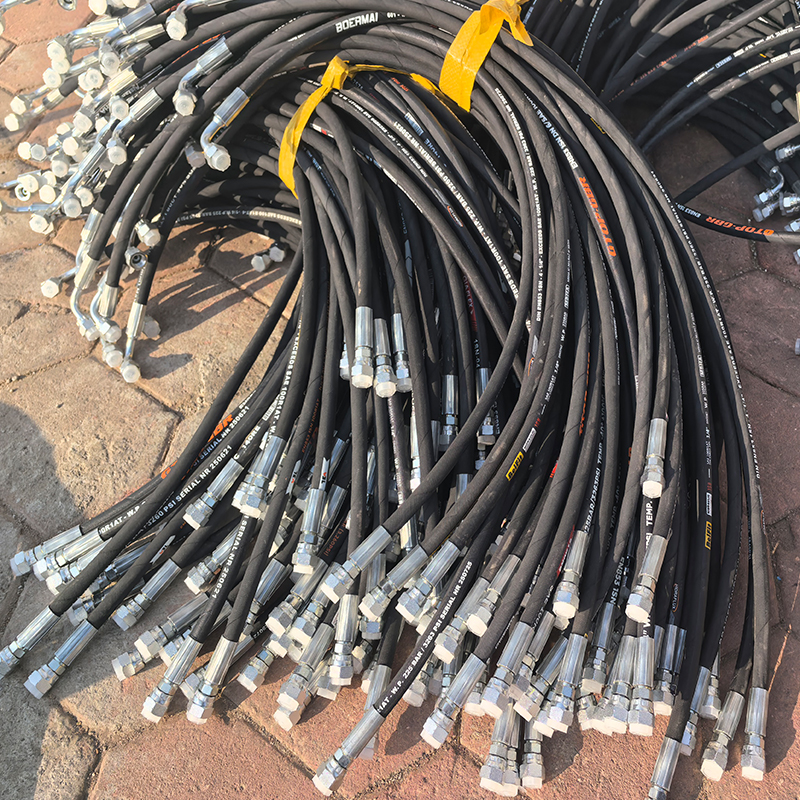 How to Create a Proactive Spiral Hydraulic Hose Replacement Plan That Prevents Downtime?
 Is Your Hydraulic System Overstressing? 5 Diagnostic Signs You Need to Upgrade to Spiral Hose
 Is Your Hydraulic System Pushing Limits? When to Specify Spiral Hose vs. Braided?
 Is Your Machinery Demanding More? Why Upgrade to a Spiral Hydraulic Hose?