
Rubber service plugs play a crucial role in protecting pipes, machinery, and equipment during maintenance, storage, or transportation. These flexible, durable components seal openings, prevent debris or moisture from entering, and ensure systems remain intact. However, improper handling, storage, or use can lead to premature wear, cracking, or loss of functionality. Below, we explore practical strategies to extend the lifespan of rubber service plugs and maintain their effectiveness.
Understand the Environmental Limits
Rubber service plugs are designed to withstand specific environmental conditions, but exceeding these limits can cause irreversible damage. Extreme temperatures, for instance, are a common culprit. Prolonged exposure to high heat can soften the rubber, reducing its structural integrity, while freezing temperatures may make it brittle and prone to cracking. Similarly, prolonged contact with oils, chemicals, or UV light can degrade the material over time.
To mitigate these risks, always verify the plug’s compatibility with the environment in which it will be used. If storing equipment outdoors, consider using plugs rated for UV resistance or providing protective covers. In industrial settings, avoid using rubber plugs in areas where they might come into contact with corrosive substances unless explicitly designed for such conditions.
Proper Installation Matters
Even the highest-quality rubber service plug can fail if installed incorrectly. Forcing a plug into an opening that’s too large or too small creates stress on the material, leading to tears or deformation. Always measure the diameter of the opening and select a plug that fits snugly without excessive force. If the plug requires a sealant or adhesive, follow the manufacturer’s guidelines to avoid chemical reactions that could weaken the rubber.
During installation, ensure the plug is seated evenly. Uneven pressure can cause one side to wear faster than the other, compromising the seal. For threaded openings, avoid over-tightening, as this can stretch the rubber and reduce its ability to rebound to its original shape.
Regular Inspections for Wear and Tear
Rubber service plugs are not immune to aging. Over time, exposure to environmental factors and physical stress can lead to subtle signs of wear, such as discoloration, hardening, or surface cracks. These issues may seem minor but can escalate quickly if ignored.
Implement a routine inspection schedule, especially for plugs used in critical applications. Check for visible damage, such as cuts, punctures, or swelling. Pay attention to the plug’s flexibility—if it feels stiff or brittle, it’s likely nearing the end of its usable life. Replacing plugs at the first sign of deterioration prevents unexpected failures and costly downtime.
Avoid Mechanical Stress During Handling
Rubber service plugs are durable but not indestructible. Rough handling, such as dropping them onto hard surfaces or pulling them aggressively, can cause internal damage that isn’t immediately visible. Even small nicks or scratches can become entry points for moisture or chemicals, accelerating degradation.
When transporting or storing plugs, use containers that prevent them from rubbing against sharp objects or each other. If plugs are part of a larger assembly, avoid using tools that might scratch or gouge the surface during removal. Instead, rely on gentle twisting or pulling motions to disengage them.
Optimal Storage Conditions
Proper storage is key to preserving the lifespan of rubber service plugs. Exposure to direct sunlight, humidity, or extreme temperatures can accelerate aging. Ideally, store plugs in a cool, dry place away from ozone-generating equipment, such as electric motors or fluorescent lights, which can cause surface cracking.
Avoid stacking heavy objects on top of stored plugs, as this can lead to deformation. If plugs are stored for long periods, consider rotating them periodically to prevent flat spots from forming. For added protection, keep them in their original packaging or airtight containers to minimize exposure to dust and contaminants.
Cleaning and Maintenance Best Practices
Dirt, grease, or residual chemicals on rubber service plugs can compromise their seal and accelerate wear. Regular cleaning is essential, but the method matters. Avoid using abrasive cleaners or brushes that might scratch the surface. Instead, opt for a mild soap solution and a soft cloth. Rinse thoroughly and allow the plugs to dry completely before reuse.
For stubborn residues, such as adhesive remnants, use a rubber-safe solvent recommended by the manufacturer. Never use harsh chemicals like acetone or gasoline, as these can dissolve the material. After cleaning, inspect the plug for any remaining damage and replace it if necessary.
When to Replace Rubber Service Plugs
Even with meticulous care, rubber service plugs will eventually reach the end of their service life. Signs that replacement is needed include persistent leaks, visible cracks, or a loss of elasticity. In high-stakes applications, such as plumbing systems or industrial machinery, proactive replacement is often more cost-effective than waiting for a failure.
Keep spare plugs on hand to avoid delays during maintenance. When selecting replacements, prioritize quality over price—cheaper options may save money upfront but could lead to higher costs down the line due to frequent replacements or system damage.
Conclusion
Rubber service plugs are simple yet vital components that protect systems from contamination and damage. By understanding their environmental limits, installing them correctly, and maintaining them through regular inspections and proper storage, you can significantly extend their lifespan. Avoiding mechanical stress, using gentle cleaning methods, and knowing when to replace worn plugs further ensure their reliability. With these practices in place, rubber service plugs will continue to perform their essential role efficiently and safely.
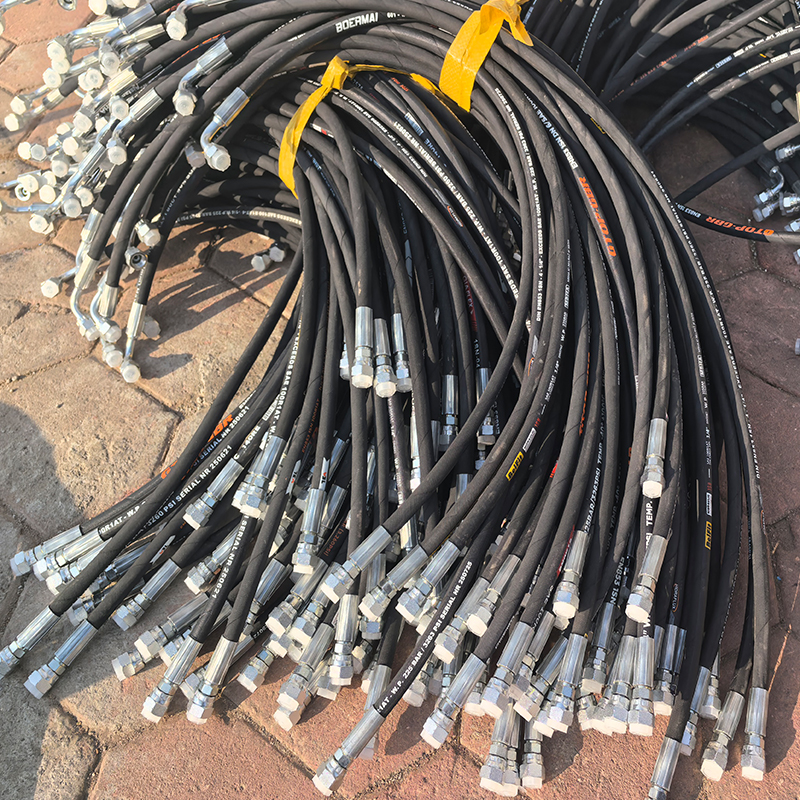 How to Create a Proactive Spiral Hydraulic Hose Replacement Plan That Prevents Downtime?
 Is Your Hydraulic System Overstressing? 5 Diagnostic Signs You Need to Upgrade to Spiral Hose
 Is Your Hydraulic System Pushing Limits? When to Specify Spiral Hose vs. Braided?
 Is Your Machinery Demanding More? Why Upgrade to a Spiral Hydraulic Hose?