
For vehicle owners and mechanics, ensuring the right fit for service plugs—also known as rubber plugs—is critical for maintaining safety, preventing leaks, and extending the lifespan of automotive systems. These versatile components seal openings in engines, transmissions, and fuel systems, but not all plugs are created equal. Compatibility depends on factors like size, material, and environmental resistance. This guide breaks down how to verify the right match for your needs, using straightforward steps anyone can follow.
Why Compatibility Matters
Service plugs act as barriers against contaminants, fluids, and debris. A poorly fitted plug can lead to leaks, corrosion, or even system failure. For example, using a plug designed for a gasoline engine in a diesel vehicle might degrade quickly due to chemical incompatibility. Similarly, a plug too small for an opening risks falling out, while one too large won’t seal properly. Prioritizing compatibility protects your vehicle and avoids costly repairs down the road.
Start With the Vehicle’s Make and Model
The easiest way to narrow down options is to reference your vehicle’s specifications. Owner’s manuals often list recommended plug sizes and materials for common maintenance points, such as oil drain holes or cooling system ports. If the manual isn’t available, online databases or forums for your car’s make and model can provide insights. For instance, a compact sedan might require a smaller, heat-resistant plug for its exhaust system, while a truck could need a larger, chemically inert option for its fuel tank.
Measure the Opening Precisely
Even within the same vehicle model, variations in engine types or aftermarket modifications can affect plug requirements. Use a caliper or ruler to measure the diameter and depth of the opening where the plug will sit. Record measurements in both millimeters and inches, as some manufacturers use one system exclusively. Compare these numbers to the plug’s listed dimensions, accounting for a slight tolerance (usually ±0.5mm). A plug that’s too tight may crack upon installation, while one too loose won’t create a proper seal.
Understand Material Requirements
Service plugs are made from materials like silicone, nitrile, or fluorocarbon rubber, each suited to different environments. For high-temperature areas (e.g., near exhaust manifolds), opt for silicone or heat-resistant compounds. If the plug will contact oils, fuels, or coolants, choose a material resistant to those chemicals. A plug exposed to sunlight should resist UV degradation. Manufacturers often label plugs with temperature and chemical ratings—prioritize these details to avoid premature wear.
Consider Environmental Factors
Where you live and drive impacts plug longevity. In cold climates, a plug that becomes brittle at low temperatures might crack. Conversely, in hot regions, a plug with a low melting point could deform. Salt-heavy environments (like coastal areas) require corrosion-resistant materials. If your vehicle is stored outdoors, prioritize UV-stable plugs. Always match the plug’s environmental ratings to your local conditions to ensure durability.
Verify Thread Patterns and Sealing Methods
Some service plugs screw into threaded holes, while others press into smooth openings. Using the wrong type can strip threads or create gaps. For threaded plugs, confirm the pitch (distance between threads) and diameter match the hole. Press-fit plugs rely on precise sizing and sometimes include grooves or ribs to enhance grip. If replacing an existing plug, examine its installation method and replicate it with the new component.
Test Fit Before Final Installation
Before committing to a plug, do a dry run. Gently insert the plug into the opening without forcing it. It should slide in smoothly but require slight pressure to seat fully. Rotate threaded plugs a few times to check for resistance or misalignment. If the plug doesn’t fit, don’t force it—this could damage both the plug and the vehicle. Instead, recheck measurements and material compatibility.
When to Consult a Professional
If you’re unsure about compatibility, seek help from a mechanic or automotive parts specialist. Many auto shops have access to detailed catalogs and can cross-reference your vehicle’s specs with available plugs. Bring photos or samples of the existing plug if possible. Professionals can also identify less obvious factors, like vibration resistance for plugs in high-movement areas.
Conclusion: A Small Part, Big Impact
Service plugs may seem insignificant, but their role in vehicle maintenance is undeniable. By taking the time to verify compatibility—through measurements, material checks, and environmental considerations—you ensure optimal performance and safety. Whether you’re a DIY enthusiast or rely on professional help, prioritizing the right fit saves time, money, and headaches. Remember: a well-chosen plug is an investment in your vehicle’s longevity.
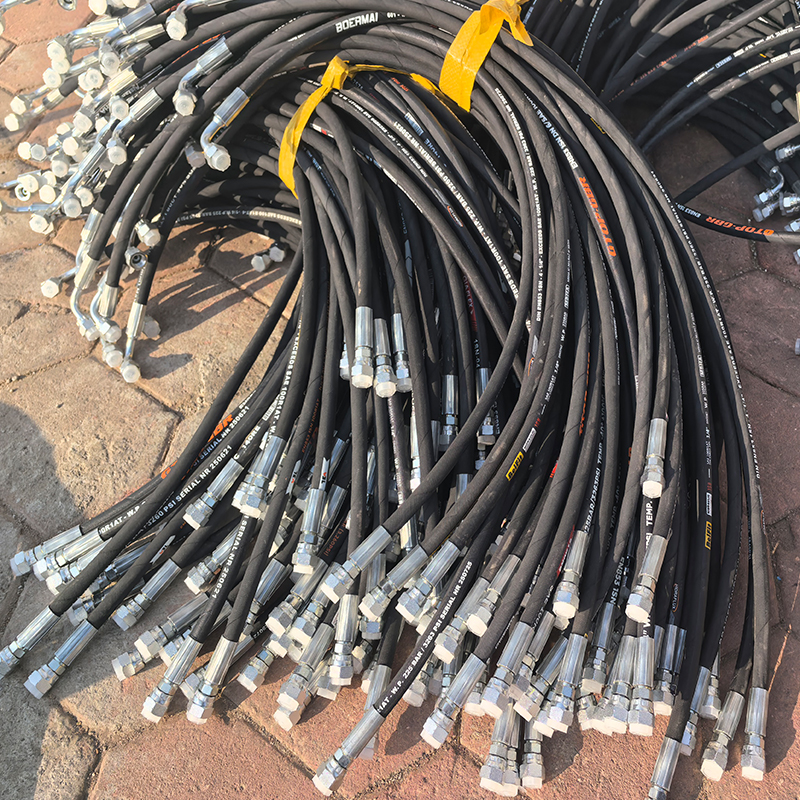 How to Create a Proactive Spiral Hydraulic Hose Replacement Plan That Prevents Downtime?
 Is Your Hydraulic System Overstressing? 5 Diagnostic Signs You Need to Upgrade to Spiral Hose
 Is Your Hydraulic System Pushing Limits? When to Specify Spiral Hose vs. Braided?
 Is Your Machinery Demanding More? Why Upgrade to a Spiral Hydraulic Hose?