
For businesses looking to elevate their brand visibility, customizing everyday products like rubber plugs offers a creative and functional opportunity. These versatile components, used across industries from automotive to household goods, can be transformed into powerful branding tools. By integrating logos, colors, or unique designs, companies can turn a simple accessory into a memorable extension of their identity. Here’s how to approach customization effectively while keeping practicality and audience appeal in mind.
Understanding the Purpose of Customization
Before diving into design, it’s essential to clarify why customization matters. Rubber plugs serve practical roles—sealing containers, protecting threads, or preventing debris entry. However, when branded, they transcend functionality. A customized plug becomes a subtle yet constant reminder of your business, whether used in a customer’s garage, office, or home. For B2B clients, branded plugs can strengthen partnerships by showcasing attention to detail. For consumers, they add a touch of personalization to everyday items. The key is balancing aesthetics with the plug’s core purpose to avoid compromising its utility.
Choosing the Right Design Elements
Effective branding hinges on simplicity and recognition. Start by identifying core elements of your brand identity: logos, color schemes, or taglines. Opt for designs that translate well onto small surfaces. A minimalist logo, for instance, often works better than intricate artwork. Consider the plug’s shape—circular, rectangular, or tapered—and how your design aligns with its contours.
Color psychology plays a role too. Bold hues like red or blue grab attention, while neutral tones may suit professional settings. Ensure contrast between the design and the rubber’s base color for visibility. If space allows, incorporate a short message or website URL, but prioritize legibility. Remember, the goal is instant recognition, not overwhelming detail.
Selecting Materials and Durability
Rubber plugs come in various materials, each with pros and cons. Natural rubber offers flexibility and resilience, ideal for frequent use. Synthetic options like silicone withstand extreme temperatures and chemicals, making them suitable for industrial applications. When customizing, prioritize materials that align with the plug’s intended environment.
Durability directly impacts brand perception. A plug that cracks or fades quickly reflects poorly on your business. Test prototypes under real-world conditions—exposure to moisture, heat, or friction—to ensure longevity. Communicate material benefits to customers, such as “weather-resistant” or “chemical-safe,” to add value to the branding.
Production Methods: From Concept to Reality
Turning designs into physical products involves several techniques. Molding is common for creating textured logos or raised lettering directly into the rubber. Pad printing allows for detailed, multi-color designs on flat or curved surfaces. Laser etching offers precision for minimalist branding, though it works best on darker materials.
Collaborate with manufacturers early to refine designs. Provide vector files for clean lines and discuss color-matching processes. Ask for samples to evaluate how designs hold up post-production. Transparency about timelines and costs prevents surprises—custom orders often require longer lead times than off-the-shelf products.
Industry-Specific Applications
Tailoring customization to your audience enhances relevance. For automotive clients, consider plugs with ergonomic grips or color-coded sizes for easy organization. In the food and beverage sector, opt for food-grade materials and simple branding to comply with health standards.
Promotional giveaways demand eye-catching designs. A plug shaped like your logo or featuring a catchy slogan can double as a conversation starter. Tech companies might embed QR codes linking to tutorials or support pages. Always align the design with the user’s context—what will resonate most in their daily routine?
Eco-Friendly Customization Options
Sustainability is a growing priority for American consumers. Highlight eco-conscious choices in your customization process. Recycled rubber reduces waste, while biodegradable materials appeal to environmentally aware audiences. Even packaging can be branded with green messaging, such as “Made from 50% Recycled Materials.”
Transparency is key. Clearly communicate your sustainability efforts on product pages or packaging. Some businesses offer take-back programs for used plugs, reinforcing a commitment to circularity. These practices not only attract eco-minded customers but also position your brand as a responsible industry leader.
Measuring Success and Iterating
After launching customized plugs, track their impact. Sales data, customer feedback, and social media mentions provide insights. Did branded plugs drive repeat purchases? Did they spark conversations at trade shows?
Use surveys to gauge perception. Ask questions like, “How recognizable is our brand through this product?” or “Would you recommend this to a colleague?” Analyze patterns in responses to refine future designs. For example, if customers note fading colors, switch to more durable inks or materials.
Iterate based on real-world use. A plug designed for indoor storage might need thicker rubber for outdoor applications. Stay adaptable—branding is an ongoing dialogue with your audience.
Final Thoughts: Branding Beyond the Logo
Customizing rubber plugs is more than slapping a logo on a product. It’s about weaving your brand’s story into a functional item that adds value to the user’s life. By prioritizing quality, relevance, and sustainability, businesses can create plugs that not only serve a purpose but also leave a lasting impression.
In a competitive market, small details matter. A well-designed, durable rubber plug can turn a one-time buyer into a loyal advocate. Start with clear goals, collaborate with trusted partners, and never underestimate the power of a thoughtfully branded accessory. After all, the best branding feels less like an advertisement and more like a natural extension of who you are.
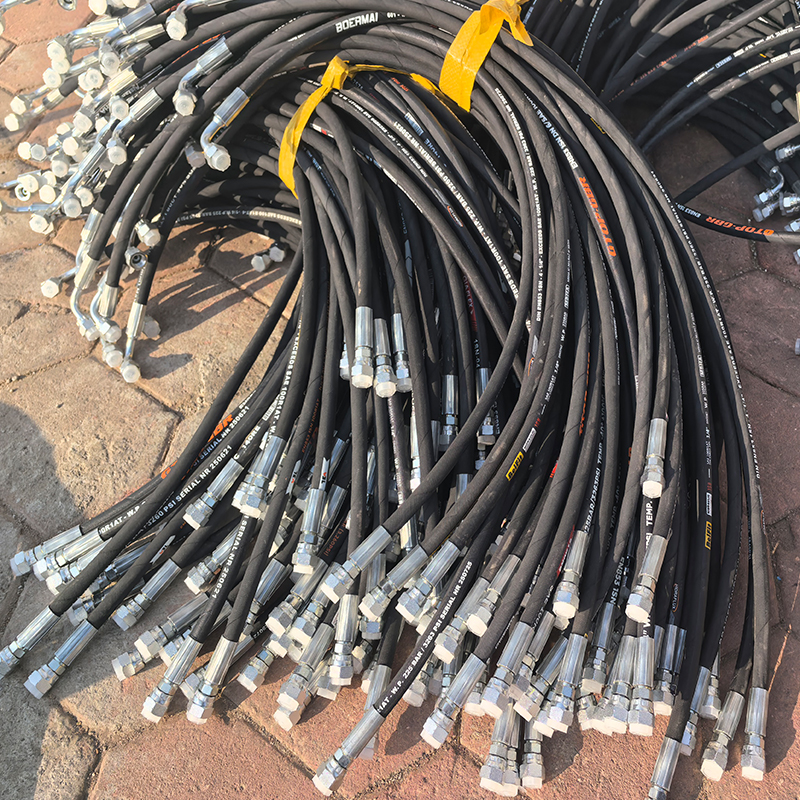 How to Create a Proactive Spiral Hydraulic Hose Replacement Plan That Prevents Downtime?
 Is Your Hydraulic System Overstressing? 5 Diagnostic Signs You Need to Upgrade to Spiral Hose
 Is Your Hydraulic System Pushing Limits? When to Specify Spiral Hose vs. Braided?
 Is Your Machinery Demanding More? Why Upgrade to a Spiral Hydraulic Hose?