
Maintaining efficient plumbing systems is essential for homes and businesses across the U.S., and one often-overlooked component plays a critical role in this process: the service plug. Designed to temporarily seal pipelines during maintenance, repairs, or inspections, this versatile tool ensures safety, prevents leaks, and streamlines workflows. Whether you’re a DIY enthusiast or a professional plumber, understanding how to install a service plug correctly can save time, money, and headaches. Let’s explore the step-by-step process, common applications, and tips for maximizing its effectiveness.
Why Use a Service Plug in Pipelines?
Service plugs, also known as rubber plugs, are indispensable for isolating sections of a pipeline without draining the entire system. Unlike permanent caps, these plugs create a temporary, pressure-resistant seal, allowing workers to perform tasks like valve replacements, leak detection, or cleaning without interrupting water or gas flow elsewhere.
For example, if a section of a residential water line needs repair, a service plug can block water from entering the work area while keeping the rest of the system operational. This minimizes disruption for homeowners and reduces downtime for businesses. Additionally, service plugs are reusable, eco-friendly, and cost-effective compared to alternatives like welding or cementing.
When to Install a Service Plug
Service plugs are ideal for scenarios where partial pipeline shutdown is necessary. Common use cases include:
Emergency repairs: Quickly sealing a burst pipe to prevent flooding.
Scheduled maintenance: Isolating a section for valve or joint inspections.
System upgrades: Temporarily blocking flow during pipe replacements or expansions.
Testing: Pressure-testing new installations without affecting the entire network.
Before installation, assess the pipeline’s material (PVC, copper, steel, etc.), diameter, and operating pressure. Service plugs come in varying sizes and pressure ratings, so selecting the right fit is crucial. Consulting a plumbing professional or referring to manufacturer guidelines ensures compatibility.
Preparing for Installation
Proper preparation prevents mistakes and ensures a secure seal. Start by:
Shutting off the pipeline: Close valves upstream and downstream of the installation site.
Draining the section: Release residual pressure by opening a nearby faucet or drain.
Cleaning the area: Remove debris, rust, or old sealant from the pipe’s interior and exterior. A smooth surface ensures better adhesion.
Gathering tools: Most installations require wrenches, measuring tapes, and lubricants (if specified by the plug’s design).
Safety first: Wear gloves and eye protection, especially if working with pressurized systems. If the pipeline carries hazardous materials, follow OSHA guidelines for personal protective equipment (PPE).
Step-by-Step Installation Guide
Measure the pipe: Use a caliper or tape measure to determine the internal diameter. Overestimating can lead to leaks, while underestimating may prevent proper insertion.
Select the plug: Choose a service plug rated for the pipe’s material, diameter, and expected pressure. Flexible rubber plugs often accommodate slight variations in size.
Apply lubricant (if needed): Some plugs require a water-based lubricant to ease insertion. Avoid petroleum-based products, which can degrade rubber over time.
Insert the plug: Gently push the plug into the pipe until it seats firmly. For threaded plugs, twist clockwise until snug. Avoid over-tightening, which may damage the pipe or plug.
Test the seal: Gradually restore pressure to the system and inspect for leaks. If bubbles appear (for water systems) or pressure drops (for gas systems), reposition the plug.
Common Challenges and Solutions
Even experienced installers encounter hiccups. Here’s how to troubleshoot:
Leaks around the edges: Ensure the plug matches the pipe diameter. If the fit is loose, use a larger plug or a backup ring (if compatible).
Difficulty inserting the plug: Warm the rubber slightly with warm water (not boiling) to increase flexibility. Never use open flames, which can damage the material.
Pressure buildup: Double-check that upstream valves are fully closed. If pressure persists, the system may require additional venting.
For stubborn installations, consult a plumber. Forcing a plug into an incompatible pipe can cause cracks or bursts.
Maintenance and Reusability Tips
Service plugs are designed for repeated use, but proper care extends their lifespan:
Clean after each use: Rinse off dirt, grease, or chemical residues with mild soap and water.
Store in a cool, dry place: Avoid direct sunlight, which can cause rubber to degrade.
Inspect for wear: Check for cracks, tears, or hardening before reuse. Replace damaged plugs immediately.
Rotate inventory: If you own multiple plugs, alternate their use to prevent one from wearing out prematurely.
Environmental and Cost Benefits
Choosing service plugs over permanent solutions aligns with sustainability goals. By avoiding waste from cement, welding rods, or single-use caps, these plugs reduce landfill contributions. Additionally, their reusability lowers long-term costs for homeowners and contractors.
For businesses, minimizing pipeline downtime translates to higher productivity. A single service plug installation can save hours compared to draining and refilling an entire system.
Conclusion: Simplify Pipeline Maintenance with Service Plugs
Installing a service plug is a straightforward process that offers significant advantages for pipeline maintenance. From preventing leaks during repairs to enabling efficient testing, this tool is a must-have for any plumbing toolkit. By following proper installation techniques, troubleshooting common issues, and maintaining the plugs correctly, users can ensure reliable performance for years.
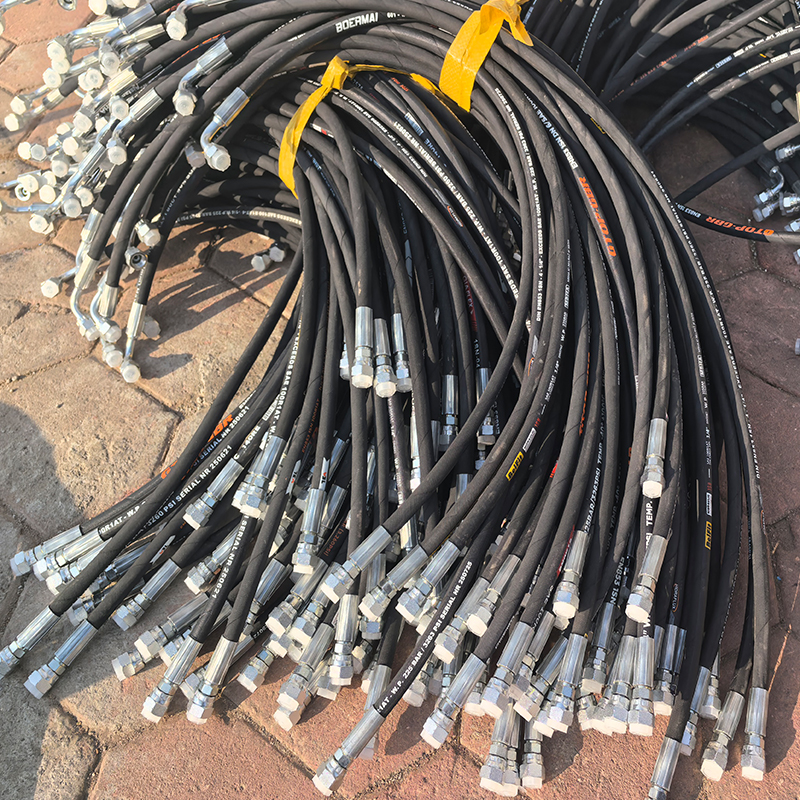 How to Create a Proactive Spiral Hydraulic Hose Replacement Plan That Prevents Downtime?
 Is Your Hydraulic System Overstressing? 5 Diagnostic Signs You Need to Upgrade to Spiral Hose
 Is Your Hydraulic System Pushing Limits? When to Specify Spiral Hose vs. Braided?
 Is Your Machinery Demanding More? Why Upgrade to a Spiral Hydraulic Hose?