
Service plugs, often referred to as rubber plugs in industrial contexts, are essential components in maintaining the safety and efficiency of machinery, vehicles, and equipment. Designed to seal openings, prevent contamination, and protect internal systems, these versatile tools require regular upkeep to function optimally. For users in the United States, where machinery and automotive systems are heavily relied upon, understanding how to care for these plugs is critical. This guide explores practical steps to ensure your service plugs remain in top condition, extending their lifespan and reliability.
Understanding the Role of a Service Plug
Before diving into maintenance, it’s important to grasp why service plugs matter. These components act as barriers, shielding sensitive parts from dust, moisture, and debris. In automotive applications, they might seal fuel lines or engine compartments during repairs. In manufacturing, they prevent contaminants from entering hydraulic systems. Without proper care, a worn or damaged plug can compromise performance, leading to costly repairs or safety hazards. Recognizing their value is the first step toward proactive maintenance.
Visual Inspection: The First Line of Defense
Regular visual checks are the simplest way to identify issues early. Start by examining the plug’s surface for cracks, tears, or discoloration. Rubber degrades over time due to exposure to heat, chemicals, or UV rays, so look for signs of brittleness or softening. Check the edges for wear, as frayed seals can allow leaks. If the plug appears swollen or misshapen, it may no longer fit securely. For users in climates with extreme temperatures, more frequent inspections are advisable, as rubber expands and contracts with temperature fluctuations.
Cleaning Techniques for Longevity
Dirt and grime can accelerate wear on service plugs. To clean them, use a mild soap and water solution with a soft cloth or sponge. Avoid harsh chemicals, as they can degrade rubber over time. For stubborn residues, such as oil or grease, a degreaser specifically formulated for rubber is safe. Gently scrub the surface, ensuring no abrasive particles remain. After cleaning, allow the plug to air-dry completely before reinstallation. Moisture trapped under the plug can lead to mold or corrosion, undermining its effectiveness.
Proper Storage to Prevent Damage
Storing service plugs correctly is often overlooked but crucial. Keep them in a cool, dry place away from direct sunlight, as prolonged exposure to UV rays can cause rubber to harden and crack. Avoid storing them near solvents, fuels, or other chemicals that might react with the material. If multiple plugs are stored together, ensure they’re not compressed or bent, as this can distort their shape. Using a dedicated container or drawer keeps them organized and protected, reducing the risk of accidental damage.
Lubrication: When and How to Apply It
While not all service plugs require lubrication, some benefit from a light coating to ease installation and prevent sticking. Use a silicone-based lubricant, as it’s compatible with most rubber materials and won’t degrade the plug over time. Apply a thin layer to the edges or contact points, then wipe away excess to avoid attracting dirt. Avoid petroleum-based products, which can cause rubber to swell or deteriorate. Lubrication is particularly useful for plugs that are frequently removed and reinstalled, such as those in automotive or industrial settings.
Addressing Wear and Tear Promptly
Even with meticulous care, service plugs will eventually show signs of aging. Common indicators include reduced flexibility, persistent leaks, or difficulty staying in place. When these issues arise, replacement is often the safest option. Continuing to use a compromised plug can lead to system failures or safety risks. For users in industries with strict compliance standards, such as automotive repair or manufacturing, timely replacement is non-negotiable. Always keep spare plugs on hand to avoid downtime during critical operations.
Environmental Considerations for Extended Use
The environment in which a service plug operates significantly impacts its lifespan. In high-humidity areas, moisture can seep into cracks, accelerating deterioration. Conversely, arid climates may cause rubber to dry out and crack. Chemical exposure, such as from cleaning agents or industrial fluids, can also shorten a plug’s life. If your equipment operates in harsh conditions, consider using plugs made from specialized rubber compounds designed for resistance to heat, chemicals, or UV rays. Regularly assessing environmental factors helps you adjust maintenance routines accordingly.
Training and Documentation for Consistency
For businesses relying on service plugs, training staff on proper maintenance is essential. Create clear guidelines for inspection, cleaning, and replacement, and ensure all team members understand the risks of neglect. Documenting maintenance schedules and issues helps track performance trends and identify recurring problems. For individual users, keeping a simple checklist can ensure no step is overlooked. Consistency in care reduces unexpected failures and promotes safer, more efficient operations.
Conclusion
Regular maintenance of service plugs is a small but vital investment in the longevity of your equipment. By incorporating visual inspections, proper cleaning, and mindful storage into your routine, you can prevent premature wear and avoid costly repairs. Addressing issues promptly and adapting to environmental challenges ensures these components continue to perform their critical role. Whether you’re managing a fleet of vehicles or maintaining industrial machinery, a proactive approach to service plug care keeps systems running smoothly and safely.
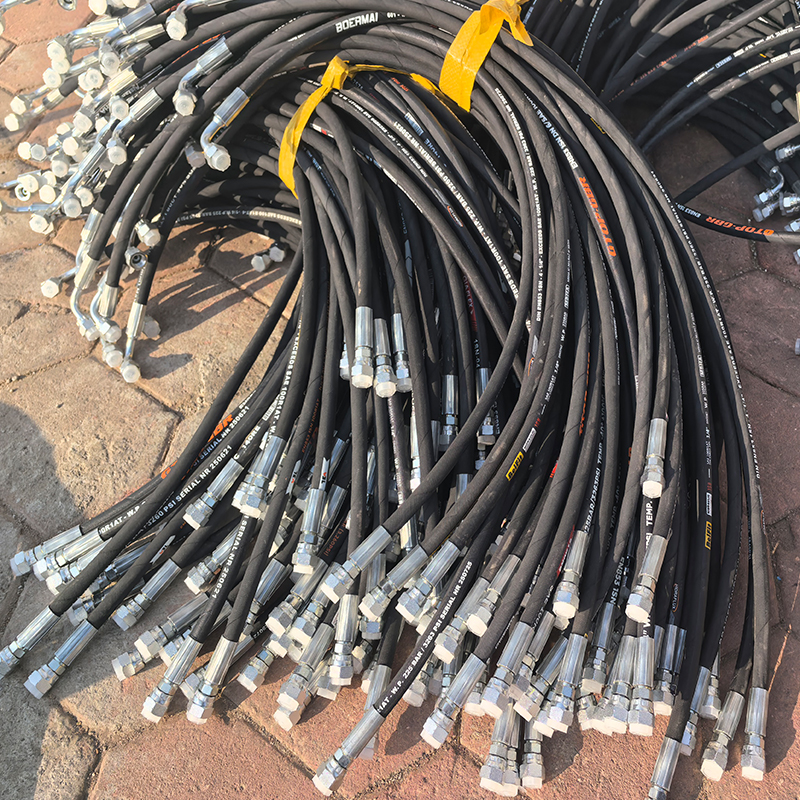 How to Create a Proactive Spiral Hydraulic Hose Replacement Plan That Prevents Downtime?
 Is Your Hydraulic System Overstressing? 5 Diagnostic Signs You Need to Upgrade to Spiral Hose
 Is Your Hydraulic System Pushing Limits? When to Specify Spiral Hose vs. Braided?
 Is Your Machinery Demanding More? Why Upgrade to a Spiral Hydraulic Hose?