
For automotive professionals and DIY enthusiasts alike, selecting the right service plug—also known as a rubber plug—is crucial for maintaining vehicle integrity, preventing contamination, and ensuring safety during repairs or storage. These versatile components seal openings in engines, transmissions, or fuel systems, protecting internal parts from debris, moisture, or accidental spills. But with varying sizes, materials, and designs on the market, how do you choose the ideal option for your needs? This guide breaks down the key factors to consider, ensuring your selection aligns with performance, durability, and ease of use.
Understand the Purpose of a Service Plug
Before diving into specifications, clarify why you need a service plug. Are you sealing a drained oil pan during an engine rebuild? Protecting a transmission casing from dirt during storage? Or temporarily covering a fuel injector port during maintenance? The application dictates the plug’s required features. For example, a plug used in a high-temperature environment (like near an exhaust manifold) needs heat-resistant materials, while one for long-term storage should prioritize a tight, leak-proof seal.
Material Matters: Rubber Types and Durability
Service plugs are predominantly made from rubber compounds, but not all rubbers are equal. The three most common materials are:
Natural Rubber: Flexible and cost-effective, but less resistant to oils, fuels, or extreme temperatures. Ideal for short-term use in dry environments.
Neoprene: Offers better chemical resistance and can withstand moderate heat, making it suitable for engine compartments or areas exposed to lubricants.
Silicone: The premium choice for high-temperature applications (up to 500°F) and harsh chemicals. Silicone plugs remain pliable in cold weather and resist cracking over time.
Choose a material that matches your vehicle’s operating conditions. For instance, if you’re sealing a differential housing exposed to gear oil, neoprene or silicone outperforms natural rubber.
Size and Fit: Precision Is Key
A service plug that’s too small won’t seal properly, while one that’s too large may not fit at all. Measure the opening’s diameter carefully, accounting for any recesses or irregular shapes. Many plugs are designed with a tapered or stepped profile to accommodate varying depths. If the opening is non-standard, consider custom-molded options or universal plugs with adjustable grips.
Pro tip: Use a caliper for accurate measurements, and cross-reference dimensions with the plug’s specifications. Some manufacturers provide size charts based on common automotive ports, simplifying the selection process.
Design Features for Enhanced Performance
Beyond size and material, design elements can elevate a plug’s functionality:
Ribbed or Textured Surfaces: Improve grip in oily or wet conditions, reducing the risk of slippage during installation or removal.
Integrated Handles or Pull Tabs: Make it easier to insert or extract the plug, especially in tight spaces.
Reinforced Edges: Prevent tearing when the plug is stretched or removed repeatedly.
Ventilation Holes: For applications requiring pressure equalization (e.g., sealing a crankcase vent), some plugs include small holes to prevent vacuum buildup.
Evaluate which features align with your workflow. A mechanic working in a fast-paced shop might prioritize quick-release tabs, while a hobbyist storing a vehicle long-term may focus on airtight seals.
Environmental Resistance: Temperature and Chemicals
Automotive environments expose service plugs to extreme conditions. Consider:
Temperature Ranges: Silicone plugs excel in both freezing and scorching climates, whereas natural rubber may harden or degrade.
Chemical Exposure: Fuel, coolant, or brake fluid can erode certain rubbers. Check compatibility charts to ensure the plug resists specific fluids.
UV Exposure: If the vehicle is stored outdoors, UV-resistant materials prevent cracking from sunlight.
For example, a plug used in a convertible’s transmission during summer storage should tolerate heat and potential coolant drips, making silicone or neoprene preferable.
Ease of Installation and Removal
A plug that’s difficult to install wastes time and risks improper sealing. Look for:
Flexibility: The plug should contour to the opening without excessive force.
Non-Slip Surfaces: Textured exteriors help hands or tools maintain grip, even when greasy.
Tool Compatibility: Some plugs require pliers or wrenches for tight spaces; others are designed for finger-tight installation.
Test the plug’s usability in a simulated environment. If inserting it into a mock port feels cumbersome, reconsider the design.
Cost vs. Longevity: Balancing Budget and Quality
While budget-friendly plugs may seem appealing, investing in higher-quality materials pays off in longevity. A cheap natural rubber plug might save $2 upfront but could crack after a few uses, leading to leaks or contamination. Conversely, a silicone plug costs more initially but withstands years of cycles.
Assess the plug’s lifespan based on usage frequency. For occasional DIY projects, a mid-tier neoprene plug offers a good balance. For professional shops handling hundreds of vehicles annually, premium silicone reduces replacement costs over time.
Conclusion: Making an Informed Choice
Selecting the right service plug hinges on understanding your application’s demands. Prioritize material durability, precise sizing, and design features that streamline your workflow. Factor in environmental resistance and long-term costs to avoid frequent replacements. By aligning your choice with these criteria, you’ll ensure reliable performance, protect vehicle components, and maintain efficiency in every repair or storage scenario.
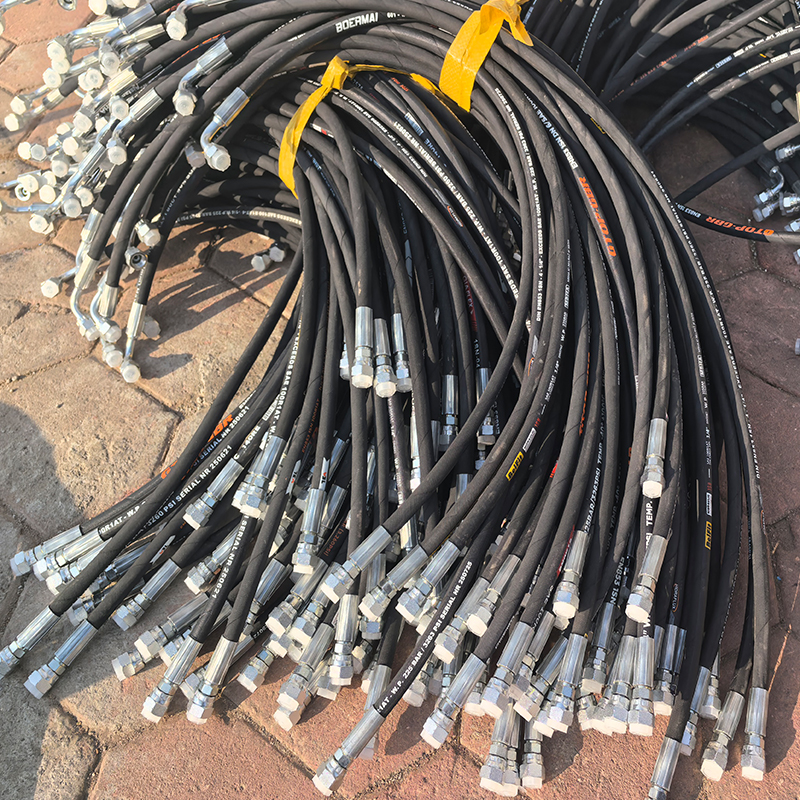 How to Create a Proactive Spiral Hydraulic Hose Replacement Plan That Prevents Downtime?
 Is Your Hydraulic System Overstressing? 5 Diagnostic Signs You Need to Upgrade to Spiral Hose
 Is Your Hydraulic System Pushing Limits? When to Specify Spiral Hose vs. Braided?
 Is Your Machinery Demanding More? Why Upgrade to a Spiral Hydraulic Hose?