
For industries relying on machinery, vehicles, or specialized equipment, service plugs—also known as rubber plugs—play a critical role in maintaining safety, preventing contamination, and ensuring operational efficiency. These versatile components seal openings during maintenance, transportation, or storage, protecting internal systems from debris, moisture, or accidental damage. However, proper storage is equally vital to preserve their functionality and extend their lifespan. Below, we explore best practices for storing service plugs to maximize their performance and reliability.
Understand the Material’s Vulnerabilities
Service plugs are typically crafted from durable rubber or synthetic elastomers designed to withstand temperature fluctuations, chemicals, and physical stress. However, even resilient materials have limitations. Prolonged exposure to extreme heat, cold, or UV radiation can cause rubber to degrade, leading to cracks, brittleness, or loss of elasticity. Similarly, contact with oils, solvents, or harsh chemicals may weaken the material over time.
To mitigate these risks, store plugs in a controlled environment. Avoid areas prone to direct sunlight, such as windowsills or unshaded outdoor shelves. If storing in garages or workshops, opt for cabinets or drawers away from heat sources like furnaces, water heaters, or welding equipment. For long-term storage, consider climate-controlled spaces to maintain consistent temperature and humidity levels.
Keep Them Clean and Dry
Contaminants like dirt, grease, or residual chemicals can compromise the integrity of service plugs. Before storing, wipe down each plug with a clean, dry cloth to remove debris. For stubborn grime, use a mild soap solution and rinse thoroughly, ensuring no moisture remains. Dampness accelerates rubber deterioration, so dry plugs completely before packing them away.
If storing plugs used in industrial settings, avoid placing them directly on concrete floors, which can trap moisture. Instead, use shelves, plastic bins, or waterproof containers lined with absorbent material. For added protection, wrap individual plugs in acid-free paper or place them in resealable bags to prevent dust accumulation.
Avoid Physical Stress and Deformation
Rubber plugs are designed to maintain their shape for optimal sealing. Improper storage can lead to permanent deformation, rendering them ineffective. Avoid stacking heavy objects on top of plugs or cramming them into overcrowded containers where they might bend or stretch.
Instead, store plugs flat or upright in their original packaging if available. For bulk storage, use dividers or compartmentalized trays to keep each plug separate. If space is limited, layer plugs with soft materials like foam or cloth to cushion them. Never hang plugs by their edges, as this can distort their shape over time.
Organize by Size and Application
Service plugs come in various sizes and designs to fit specific openings. Misplacing or mixing them can lead to confusion during future use, increasing the risk of errors. Organize plugs by diameter, thread type, or application (e.g., automotive, plumbing, industrial) using labeled containers or drawers.
Consider investing in clear storage boxes with dividers, allowing quick visual identification. For frequent users, create a digital or physical inventory system to track quantities and locations. This organization saves time during maintenance tasks and reduces the likelihood of using the wrong plug, which could cause leaks or equipment damage.
Protect Against Pests and Rodents
In storage areas like basements, garages, or sheds, pests pose a hidden threat. Rodents and insects may chew through rubber plugs, rendering them unusable. To deter unwanted visitors, store plugs in sealed plastic containers with tight-fitting lids. Avoid using cardboard boxes, which pests can easily penetrate.
For added security, place natural repellents like cedar chips or peppermint oil sachets near storage areas. Regularly inspect containers for signs of pest activity, such as droppings or chew marks. If storing plugs outdoors, elevate containers off the ground and cover them with waterproof tarps.
Rotate Stock to Prevent Aging
Even under ideal conditions, rubber materials gradually lose elasticity over time. To ensure you’re always using plugs at their peak performance, implement a “first-in, first-out” (FIFO) system. Place newly acquired plugs at the back of storage and move older ones to the front.
Periodically check the condition of stored plugs, especially those earmarked for critical applications. Look for signs of aging, such as discoloration, hardening, or surface cracks. Discard any plugs that show significant wear, as using compromised components could lead to equipment failure or safety hazards.
Conclusion: Prioritize Proper Storage for Long-Term Reliability
Service plugs are small but indispensable tools that safeguard machinery and systems from contamination and damage. By storing them correctly—away from extremes, contaminants, and physical stress—you can extend their lifespan and ensure they perform when needed. Organized, clean, and pest-free storage environments not only protect your investment but also streamline maintenance workflows.
Whether you’re a professional mechanic, a facility manager, or a DIY enthusiast, treating service plugs with care reflects a commitment to efficiency and safety. With these simple practices, you can maintain the reliability of your plugs and avoid costly replacements down the line. After all, a little attention to storage goes a long way in preserving the tools that keep your operations running smoothly.
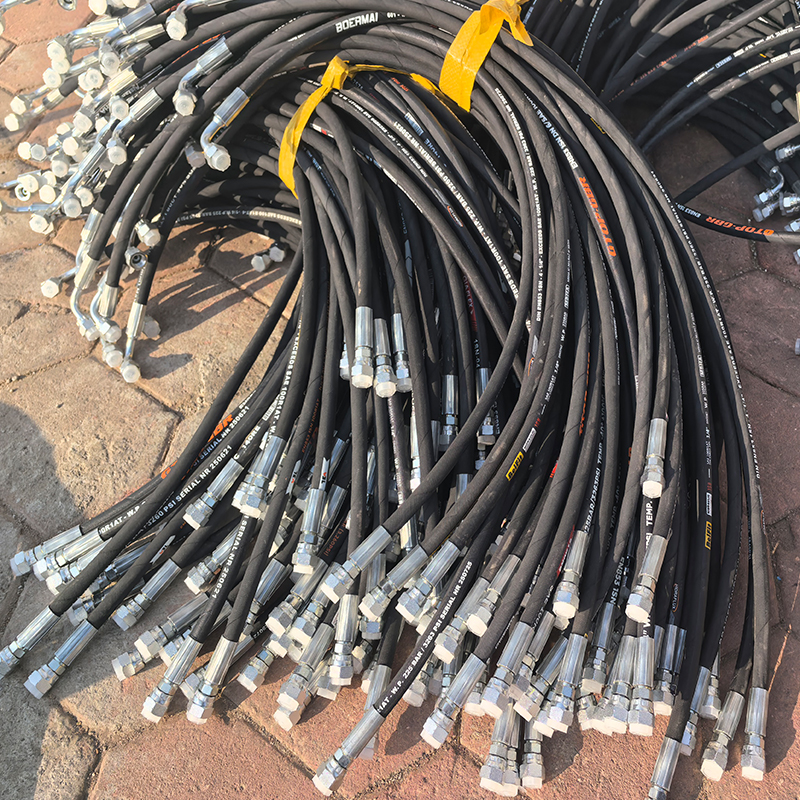 How to Create a Proactive Spiral Hydraulic Hose Replacement Plan That Prevents Downtime?
 Is Your Hydraulic System Overstressing? 5 Diagnostic Signs You Need to Upgrade to Spiral Hose
 Is Your Hydraulic System Pushing Limits? When to Specify Spiral Hose vs. Braided?
 Is Your Machinery Demanding More? Why Upgrade to a Spiral Hydraulic Hose?