
Rubber plugs are indispensable items in various laboratory settings, and their proper storage is crucial to preserve their quality and ensure they function effectively when needed. To help you maintain the integrity of your rubber plugs, here are some comprehensive guidelines on how to store them correctly.
1. Selecting an Appropriate Storage Environment
Dry and Well-Ventilated Space: One of the primary considerations for storing rubber plugs is to choose a dry and well-ventilated area. Moisture is a nemesis to rubber materials, as it can lead to degradation and the growth of mold. When rubber absorbs moisture, it can lose its structural integrity, become weaker, and ultimately compromise its effectiveness in sealing or protecting laboratory equipment. Therefore, it is vital to keep rubber plugs in a dry environment to prevent any moisture-related damage.
Shielding from Direct Sunlight: Another environmental factor to consider is exposure to sunlight. Direct sunlight contains ultraviolet (UV) rays, which can cause rubber to degrade and become brittle over time. To protect your rubber plugs from UV damage, store them in a dark place, away from any windows or other sources of direct sunlight. This will help maintain the elasticity and overall quality of the rubber.
2. Maintaining Optimal Temperature
Moderate Temperature Range: Temperature control is another critical aspect of storing rubber plugs. Extreme temperatures, whether hot or cold, can adversely affect the properties of rubber. High temperatures can cause rubber to soften and lose its shape, while low temperatures can make it brittle and more prone to cracking. To ensure the longevity and performance of your rubber plugs, store them in a temperature-controlled environment. A moderate temperature range, typically between 60°F to 75°F (15°C to 24°C), is ideal for maintaining the elasticity and durability of rubber.
3. Preventing Chemical Exposure
Storing Away from Chemicals: Rubber plugs should be kept away from any chemicals that could potentially react with the rubber material. Solvents, oils, and acids are examples of chemicals that can cause rubber to degrade, become sticky, or lose its sealing properties. To avoid such chemical interactions, store your rubber plugs in a location that is free from these substances. If you must store them near chemicals, ensure they are in sealed, labeled containers that prevent any direct contact or vapor exposure.
4. Organizing and Labeling for Easy Access
Efficient Organization: Keeping your rubber plugs organized is essential for quick and easy access when you need them. Use labeled containers or drawers to store different types and sizes of rubber plugs. This will help you quickly identify and retrieve the specific plug you need without having to search through a cluttered storage area.
Avoiding Overcrowding: It is also important not to overcrowd the storage area where your rubber plugs are kept. Overcrowding can lead to physical damage, such as crushing or tearing, especially if the plugs are stacked or pressed together tightly. Allow enough space between the plugs to prevent any unnecessary pressure or deformation.
5. Conducting Regular Inspections
Periodic Checks for Damage: Regularly inspecting your rubber plugs is a crucial part of maintaining their quality. Check for any signs of damage, such as cracks, tears, or discoloration. These can be indicators of degradation or exposure to harmful substances. If you find any damaged plugs, replace them immediately to avoid compromising the integrity of your laboratory experiments or procedures.
6. Handling and Using Rubber Plugs Properly
Gentle Handling: When handling rubber plugs, it is important to do so gently to avoid causing any unnecessary stress or damage. Use clean hands or gloves to prevent contamination from dirt, oils, or other substances that could adhere to the rubber. Rough handling can lead to tears or deformations that may affect the plug's performance.
Proper Insertion and Removal Techniques: When inserting or removing rubber plugs from glassware or other equipment, use a gentle and steady motion. Avoid jerking or twisting the plug, as this can break the glass or damage the plug. A steady, controlled motion will help ensure a secure fit and prevent any accidental breakage or damage.
By adhering to these guidelines, you can ensure that your rubber plugs remain in optimal condition and are ready for use whenever needed. Proper storage practices not only extend the life of your rubber plugs but also maintain the quality and reliability of your laboratory work. Taking the time to store your rubber plugs correctly will pay off in the long run, as you will have a reliable supply of plugs that are always ready to perform their intended functions effectively.
In addition, it is important to remember that the storage conditions for rubber plugs may vary depending on the specific type of rubber and the intended use. Therefore, it is always a good idea to consult the manufacturer's guidelines or any available documentation for specific storage recommendations related to the rubber plugs you are using.
Furthermore, consider implementing a storage system that allows for easy rotation of rubber plugs. By using a first-in, first-out (FIFO) approach, you can ensure that older plugs are used before they have a chance to degrade, further maximizing the lifespan and effectiveness of your rubber plug inventory.
In conclusion, proper storage of rubber plugs is a vital aspect of laboratory management. By choosing the right environment, controlling the temperature, avoiding chemical exposure, organizing and labeling your plugs, conducting regular inspections, and handling them properly, you can ensure that your rubber plugs remain in excellent condition and are always ready to meet your laboratory's needs.
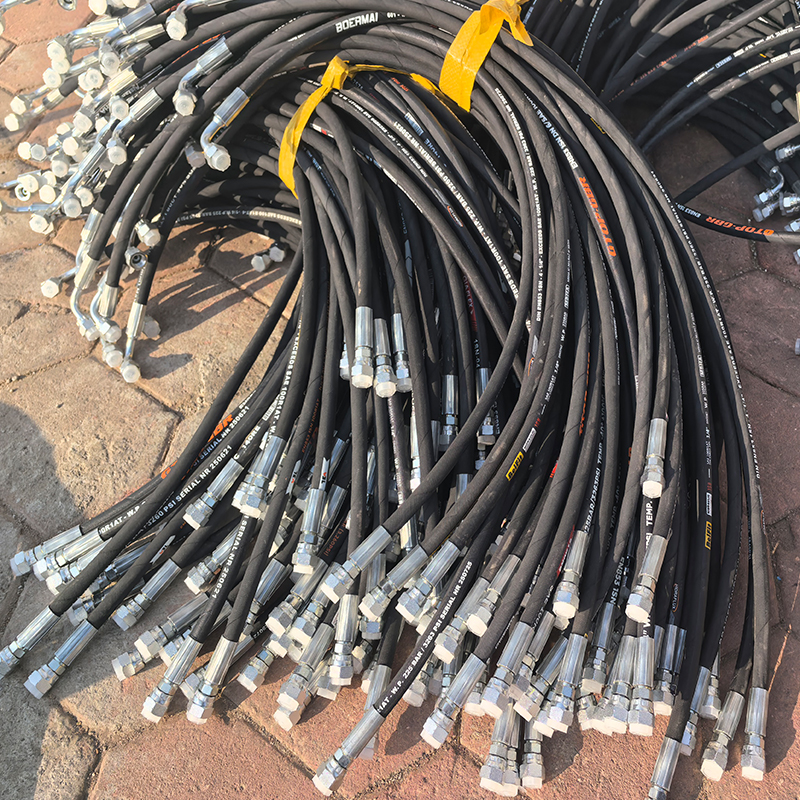 How to Create a Proactive Spiral Hydraulic Hose Replacement Plan That Prevents Downtime?
 Is Your Hydraulic System Overstressing? 5 Diagnostic Signs You Need to Upgrade to Spiral Hose
 Is Your Hydraulic System Pushing Limits? When to Specify Spiral Hose vs. Braided?
 Is Your Machinery Demanding More? Why Upgrade to a Spiral Hydraulic Hose?