
The aerospace industry demands precision, reliability, and innovation in every component, especially those involved in fuel systems. Among these critical parts, a small yet indispensable element plays a pivotal role: the rubber plug. Designed to seal, protect, and maintain fuel system integrity, these plugs are engineered to withstand extreme conditions while ensuring safety and efficiency. This article explores the diverse applications of rubber plugs in aerospace fuel systems, highlighting their importance in modern aviation.
Sealing Fuel Tanks and Lines
Fuel tanks and pipelines in aircraft are exposed to fluctuating temperatures, pressures, and chemical interactions. Rubber plugs serve as essential seals, preventing leaks and contamination. Their flexible yet durable composition allows them to conform to irregular surfaces, creating an airtight barrier. For instance, during maintenance or storage, plugs seal openings in fuel tanks to block debris, moisture, and even small insects from entering. This protects fuel quality and reduces corrosion risks, which are critical for long-term aircraft performance.
The materials used in these plugs are carefully selected to resist jet fuel, hydraulic fluids, and other chemicals. Advanced formulations ensure compatibility with both traditional and bio-based fuels, addressing evolving industry standards. By maintaining a secure seal, rubber plugs minimize fuel evaporation—a concern for both environmental regulations and operational costs.
Protecting Sensitive Components During Maintenance
Aircraft undergo rigorous inspections and repairs, often requiring the disconnection of fuel lines or access to internal systems. Rubber plugs temporarily seal these openings, safeguarding delicate components from exposure to contaminants. For example, when engineers work on fuel injectors or valves, plugs prevent dirt, tools, or even human error from causing damage.
Their ease of installation and removal makes them ideal for quick-access scenarios. Unlike rigid caps, rubber plugs can be compressed or stretched to fit varying diameters, offering versatility across different aircraft models. This adaptability reduces the need for multiple specialized tools, streamlining maintenance workflows.
Ensuring Safety in Pressurized Systems
Aerospace fuel systems operate under high pressure, especially in supersonic or high-altitude flights. Rubber plugs designed for pressurized environments undergo rigorous testing to prevent blowouts or material degradation. These plugs often feature reinforced layers or specialized coatings to handle stress without compromising elasticity.
In emergency scenarios, such as rapid decompression, a failed seal could lead to catastrophic fuel loss. Rubber plugs mitigate this risk by maintaining structural integrity even under sudden pressure changes. Their ability to "breathe" slightly—expanding or contracting as needed—ensures they adapt to dynamic conditions without failure.
Facilitating Fuel System Testing
Before an aircraft takes flight, its fuel system must pass stringent tests, including pressure checks and leak detection. Rubber plugs are instrumental in these processes. During hydrostatic testing, for example, plugs seal sections of the fuel line to isolate pressure zones. This allows engineers to identify weaknesses without risking contamination or fuel spillage.
Similarly, in vacuum testing, plugs create a controlled environment to simulate high-altitude conditions. Their resilience to both positive and negative pressure ensures accurate results, helping manufacturers meet FAA and other regulatory standards. The reusability of many rubber plugs also makes them cost-effective for repeated testing cycles.
Supporting Sustainable Fuel Initiatives
As the aviation industry shifts toward sustainable aviation fuels (SAFs), components like rubber plugs must evolve. SAFs often have different chemical properties than conventional jet fuel, requiring seals that can resist new formulations without degrading. Modern rubber plugs are engineered with bio-compatible materials, ensuring compatibility with low-carbon fuels.
This adaptability supports broader environmental goals by reducing waste and extending component lifespans. A plug that lasts longer under SAF conditions means fewer replacements, lowering maintenance costs and material consumption.
Enhancing Durability in Extreme Environments
Aircraft operate in diverse climates, from Arctic tundras to desert heatwaves. Rubber plugs must perform reliably across these extremes. Cold temperatures can make some materials brittle, while heat may cause expansion or loss of elasticity. Advanced rubber compounds address these challenges, maintaining flexibility and seal integrity in temperatures ranging from -65°F to over 400°F.
UV resistance is another critical factor, as prolonged exposure to sunlight can degrade certain polymers. Plugs used in external fuel systems often incorporate stabilizers to prevent cracking or discoloration. This durability ensures long-term reliability, even in harsh conditions.
Streamlining Inventory and Logistics
For aerospace manufacturers and maintenance teams, managing inventory is a complex task. Rubber plugs offer a solution by standardizing seals across multiple aircraft systems. Their universal design reduces the need for custom parts, simplifying procurement and storage.
Additionally, lightweight rubber plugs contribute to overall fuel efficiency. Every ounce saved in non-essential components translates to lower fuel consumption and emissions—a key consideration in an industry focused on sustainability.
Conclusion: The Unsung Hero of Aerospace Safety
While often overlooked, rubber plugs are vital to the performance and safety of aerospace fuel systems. From sealing tanks to supporting sustainable fuel transitions, their versatility and reliability make them indispensable. As aviation technology advances, so too will the materials and designs of these plugs, ensuring they continue to meet the industry’s evolving demands.
For engineers, mechanics, and manufacturers, choosing the right rubber plug means prioritizing quality, compatibility, and innovation. In an industry where every detail matters, these small components play a massive role in keeping flights safe, efficient, and environmentally responsible.
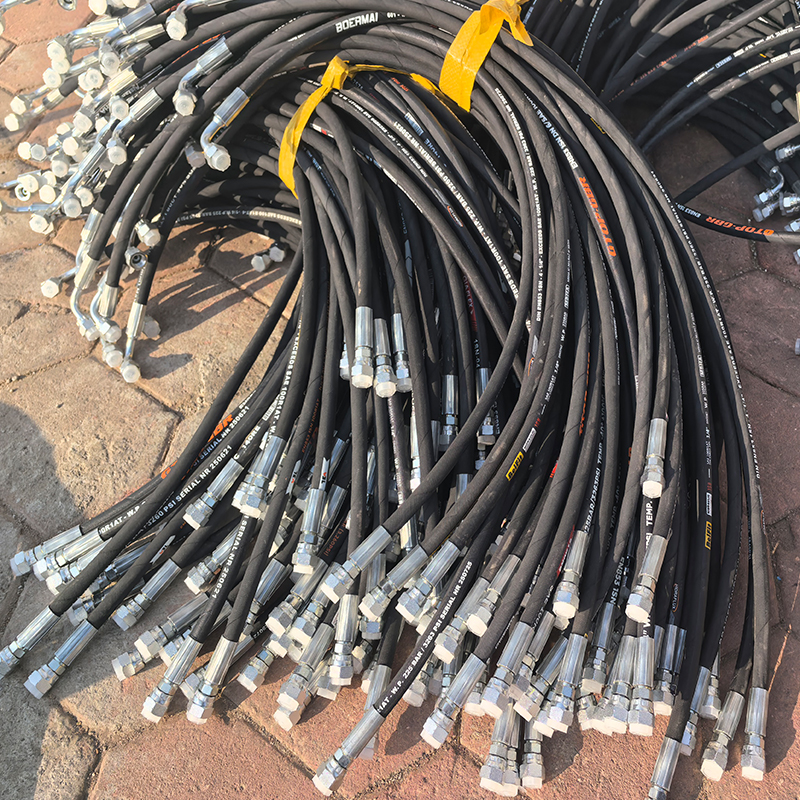 How to Create a Proactive Spiral Hydraulic Hose Replacement Plan That Prevents Downtime?
 Is Your Hydraulic System Overstressing? 5 Diagnostic Signs You Need to Upgrade to Spiral Hose
 Is Your Hydraulic System Pushing Limits? When to Specify Spiral Hose vs. Braided?
 Is Your Machinery Demanding More? Why Upgrade to a Spiral Hydraulic Hose?