
Rubber plugs serve as indispensable components in numerous applications where they are required to endure exposure to corrosive materials. Comprehending the resistance of rubber plugs to such substances is vital for ensuring their durability and efficacy in challenging environments. This exploration delves into the types of corrosive materials, the factors influencing rubber plug resistance, and strategies to enhance their resilience.
Categories of Corrosive Materials
Corrosive materials can be classified into various types based on their chemical composition and mechanisms of action:
Acids: These include potent acids like sulfuric acid, nitric acid, and hydrochloric acid. These substances can react with rubber components, leading to their gradual degradation over time.
Alkalis: Examples include sodium hydroxide and potassium hydroxide. These chemicals have the potential to cause rubber to swell and soften, compromising its structural integrity.
Salts: Certain salts, particularly those containing heavy metals, can accelerate the degradation of rubber through redox reactions. These reactions can weaken the rubber's molecular structure.
Organic Compounds: Many organic acids and bases can also corrode rubber. This corrosion often occurs through a combination of chemical reactions and physical erosion, further diminishing the rubber's lifespan.
Factors Influencing the Resistance of Rubber Plugs
Several factors play a pivotal role in determining the resistance of rubber plugs to corrosive materials:
Chemical Composition: Different types of rubber exhibit varying levels of resistance to corrosion. For instance, elastomers like neoprene and synthetic rubbers, such as nitrile, are renowned for their excellent resistance to oils and acidic or alkaline solutions.
Processing Conditions: The manufacturing process of rubber plugs, including the curing conditions and additives used, significantly impacts their resistance. The incorporation of antioxidants and other protective chemicals during manufacturing can enhance their resistance to aging and corrosion.
Environmental Conditions: Rubber plugs exposed to extreme temperatures, high humidity, and UV radiation are more prone to accelerated degradation. Consequently, additional protective measures may be necessary for rubber plugs intended for use in harsh environments.
Enhancing the Resistance of Rubber Plugs to Corrosive Materials
To bolster the resistance of rubber plugs to corrosive materials, several strategies can be implemented:
Material Selection
Choosing rubber types known for their resistance to specific types of corrosion is crucial. For example:
Neoprene: This material is highly resistant to oils and acidic or alkaline solutions, making it suitable for applications where such substances are present.
Nitrile Rubber: Renowned for its high resistance to hydrocarbons and acidic or alkaline solutions, nitrile rubber is often the material of choice in environments where these substances are prevalent.
Surface Treatment
Applying surface treatments, such as coatings or platings, can provide an additional layer of protection against corrosion. For instance, a protective coating that is resistant to the specific corrosive agent can effectively prevent degradation of the underlying rubber.
Additives
Incorporating additives into the rubber formulation can significantly enhance its resistance to corrosion:
Antioxidants: These substances play a vital role in preventing the oxidation of rubber components, thereby reducing the risk of degradation.
Plasticizers: By making the rubber more flexible, plasticizers can decrease its susceptibility to cracking and erosion caused by corrosive materials.
Corrosion Inhibitors: Specific chemicals can be added to the rubber formulation to slow down or prevent the corrosion process, further enhancing its durability.
Design Considerations
The design of the rubber plug itself can also influence its resistance to corrosion:
Material Selection for the Plug Body: Choosing a material that is resistant to the specific corrosive agent is essential for ensuring the plug's longevity.
Design Features: Incorporating features such as ribbing or channels can help distribute the load and reduce the risk of localized corrosion, thereby enhancing the plug's overall durability.
Applications of Rubber Plugs in Corrosive Environments
Rubber plugs find widespread use in various applications where they must withstand exposure to corrosive materials:
Chemical Plants
In chemical plants, rubber plugs are integral to pipelines and equipment that handle caustic solutions, acids, and bases. Their resistance to these corrosive materials is crucial for maintaining the integrity and safety of the equipment.
Oil and Gas Exploration
In the oil and gas industry, rubber plugs are utilized in wellheads and downhole tools that are exposed to drilling fluids and other corrosive substances. Their durability in these harsh environments is essential for preserving the integrity of the wellbore and ensuring the productivity of the well.
Water Treatment Facilities
In water treatment facilities, rubber plugs are employed in pipes and equipment that handle wastewater and other corrosive substances. Their resistance to these materials is vital for the longevity and effectiveness of the treatment process, ensuring the provision of clean and safe water.
Manufacturing Facilities
In manufacturing facilities, rubber plugs are used in equipment that handles a variety of chemicals and process fluids. Their resistance to these materials is crucial for safeguarding the safety and reliability of the production process, thereby contributing to the overall efficiency and productivity of the facility.
The resistance of rubber plugs to corrosive materials is a critical factor in their performance in harsh environments. By carefully selecting the right materials, applying surface treatments, incorporating additives, and designing for durability, rubber plugs can be engineered to withstand a wide range of corrosive conditions. A thorough understanding of the factors that affect rubber plug resistance, coupled with the implementation of appropriate strategies to enhance this resistance, can significantly improve the reliability and longevity of these components in various applications.
In summary, the durability of rubber plugs in corrosive environments is a multifaceted issue that requires careful consideration of material selection, processing conditions, environmental factors, and design considerations. By addressing these aspects, it is possible to develop rubber plugs that can withstand the harshest of conditions, ensuring their continued performance and reliability in a wide range of applications.
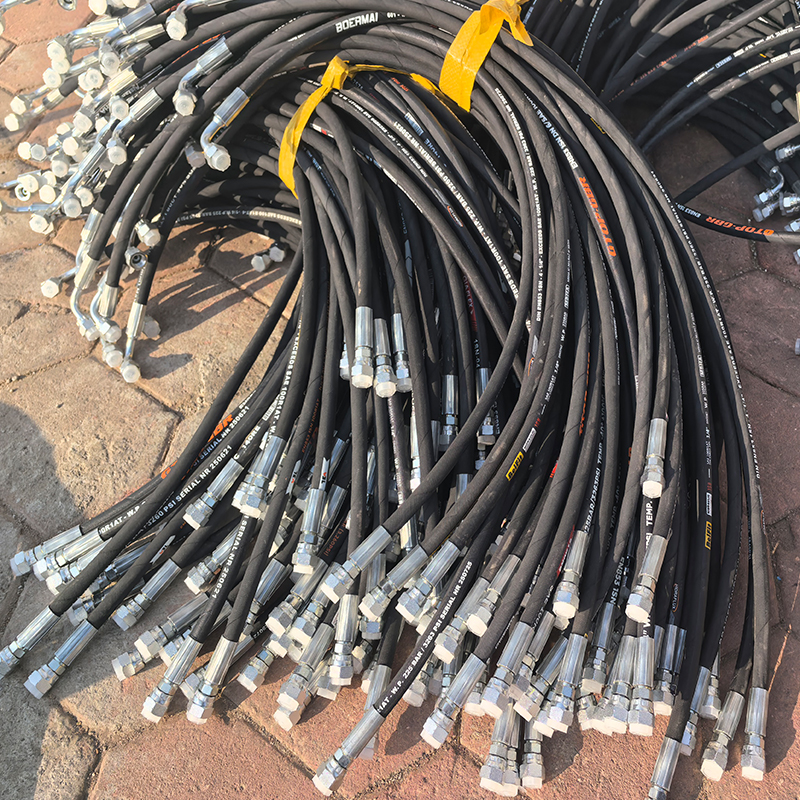 How to Create a Proactive Spiral Hydraulic Hose Replacement Plan That Prevents Downtime?
 Is Your Hydraulic System Overstressing? 5 Diagnostic Signs You Need to Upgrade to Spiral Hose
 Is Your Hydraulic System Pushing Limits? When to Specify Spiral Hose vs. Braided?
 Is Your Machinery Demanding More? Why Upgrade to a Spiral Hydraulic Hose?