
When temperatures drop, materials behave differently. For industries relying on rubber plugs to seal, protect, or insulate in cold environments—from automotive systems to outdoor equipment—choosing the right component is critical. Low-temperature applications demand rubber plugs that remain flexible, durable, and effective even when frostbite threatens performance. This guide explores how to select rubber plugs tailored for cold-weather resilience, ensuring reliability without compromise.
Understanding Low-Temperature Challenges
Cold environments pose unique risks to rubber materials. As temperatures fall, standard rubber compounds can stiffen, crack, or lose elasticity, compromising their ability to form airtight seals or withstand physical stress. For example, a plug used in a freezer compartment must remain pliable to prevent leaks, while one exposed to sub-zero outdoor conditions must resist brittleness.
The primary threat is glass transition temperature (Tg)—the point at which rubber transitions from flexible to rigid. If a plug’s Tg is higher than the application’s operating temperature, it will fail. Industries like aerospace, refrigeration, and winter gear manufacturing face these challenges daily, making material selection a make-or-break decision.
Material Matters: Choosing the Right Rubber Compound
Not all rubbers are created equal. Some compounds thrive in cold, while others crumble. Here are the top contenders for low-temperature applications:
Silicone Rubber: Renowned for its wide temperature range (-58°F to 446°F), silicone remains flexible in extreme cold. It resists cracking and maintains elasticity, making it ideal for medical freezers, automotive gaskets, and outdoor electronics.
Neoprene: With a Tg around -40°F, neoprene balances flexibility and oil resistance. It’s commonly used in refrigeration systems and cold-weather industrial equipment.
EPDM (Ethylene Propylene Diene Monomer): EPDM performs well down to -40°F and excels in outdoor applications due to its UV and ozone resistance. It’s a go-to for roofing seals and automotive weatherstripping.
Fluorocarbon (FKM): While primarily known for chemical resistance, certain FKM grades handle temperatures as low as -13°F, suitable for specialized aerospace or industrial seals.
Avoid natural rubber or nitrile in extreme cold, as their Tg values (often above -22°F) lead to rapid stiffness.
Design Considerations for Cold-Weather Performance
Material alone doesn’t guarantee success. The plug’s design must account for thermal contraction and expansion. In cold environments, materials shrink, which can create gaps in seals or increase insertion/removal forces.
Tapered Shapes: A slight taper allows easier installation and removal as temperatures fluctuate.
Ribbed or Textured Surfaces: These enhance grip and compensate for minor dimensional changes.
Flexible Lip Designs: For sealing applications, a pliable lip maintains contact with mating surfaces even when rigid.
Engineers should also consider the plug’s role. Will it primarily seal liquids, gases, or dust? Is it static (e.g., a cover) or dynamic (e.g., a repeated-use cap)? Answering these questions refines material and design choices.
Testing and Certification: Ensuring Reliability
Never assume a rubber plug will perform in cold without validation. Rigorous testing is essential. Key protocols include:
Low-Temperature Flex Tests: Plugs are bent or compressed at sub-zero temperatures to assess crack resistance.
Thermal Cycling: Repeated exposure to high and low temperatures simulates real-world stress.
ASTM D2137: This standard evaluates rubber’s ability to withstand low-temperature brittleness.
Certifications from organizations like UL or SAE provide third-party assurance. For critical applications (e.g., aerospace or medical devices), compliance with industry-specific standards is non-negotiable.
Industry-Specific Applications
Different sectors impose unique demands:
Automotive: Plugs in fuel lines or engine compartments must endure both cold starts and chemical exposure. Silicone or FKM blends are common.
Refrigeration: Commercial freezers rely on EPDM or silicone plugs to maintain -40°F seals without leaking.
Outdoor Electronics: Weatherproof enclosures use neoprene or silicone plugs to block moisture while accommodating temperature swings.
Construction: Temporary covers for pipes or conduits in winter construction must resist freezing and thawing cycles.
Understanding sector-specific risks ensures tailored solutions.
Common Pitfalls to Avoid
Even experienced engineers make mistakes. Watch out for:
Assuming “One Size Fits All”: A plug that works in a household freezer may fail in an industrial cold storage unit.
Ignoring Compression Set: Over time, cold can cause permanent deformation. Test long-term recovery after thermal cycling.
Overlooking Installation Conditions: If technicians wear gloves in freezing temps, the plug’s design must accommodate reduced dexterity.
Collaborate with suppliers early to avoid costly redesigns.
Sustainability and Innovation in Cold-Weather Rubber
The push for eco-friendly materials extends to low-temperature applications. Bio-based rubbers, such as those derived from soy or sugarcane, are emerging as alternatives to petroleum-based compounds. While still in early stages, these materials show promise in milder cold environments.
Recycling programs for end-of-life rubber plugs also reduce waste. Some manufacturers now offer take-back initiatives, turning old plugs into new products.
Conclusion: Prioritizing Performance in the Cold
Selecting rubber plugs for low-temperature applications is a blend of science and practicality. By prioritizing material properties, thoughtful design, and rigorous testing, industries can ensure reliability even when winter bites hardest. As technology advances, the intersection of sustainability and cold-weather resilience will redefine standards, offering smarter solutions for a freezing future.
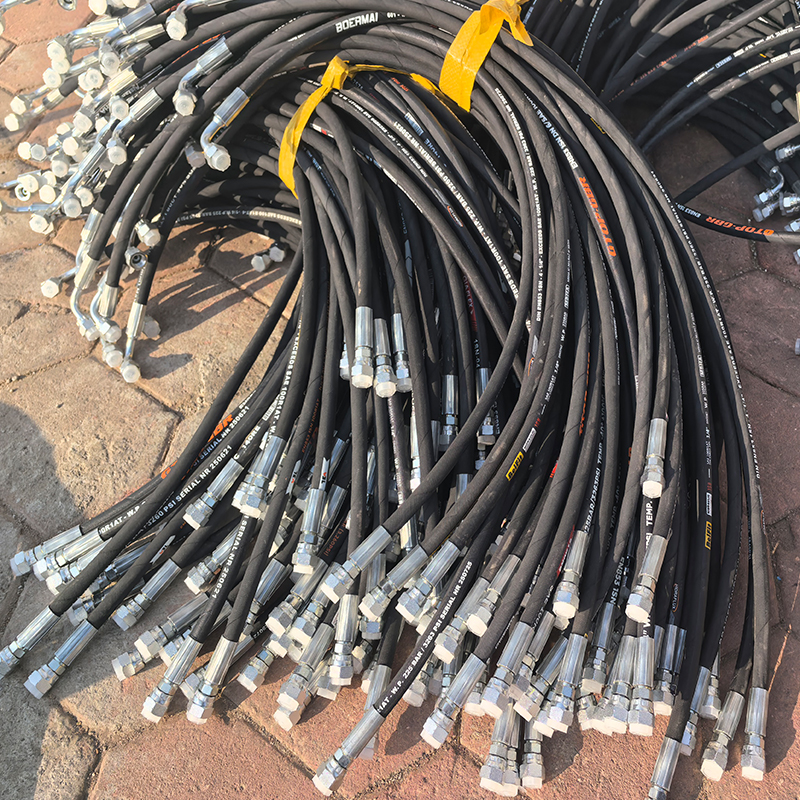 How to Create a Proactive Spiral Hydraulic Hose Replacement Plan That Prevents Downtime?
 Is Your Hydraulic System Overstressing? 5 Diagnostic Signs You Need to Upgrade to Spiral Hose
 Is Your Hydraulic System Pushing Limits? When to Specify Spiral Hose vs. Braided?
 Is Your Machinery Demanding More? Why Upgrade to a Spiral Hydraulic Hose?