
When it comes to protecting equipment, sealing connections, or ensuring safety in industrial and commercial settings, the right plug can make all the difference. Hypalon rubber plugs, also known as service plugs, have emerged as a reliable solution for a wide range of applications. Their unique combination of durability, chemical resistance, and versatility makes them a preferred choice for professionals across industries. This article explores the key benefits of using Hypalon rubber plugs and why they stand out in demanding environments.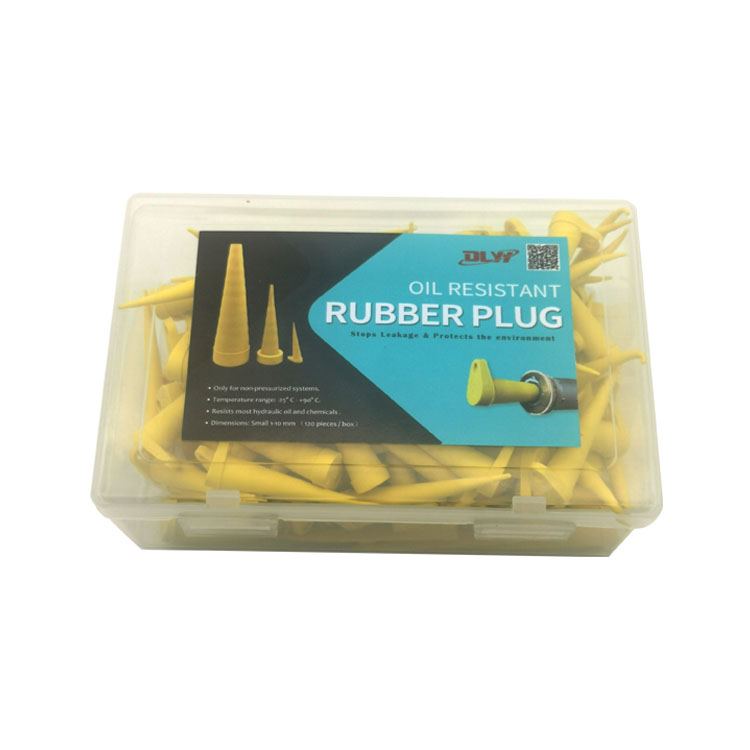
Exceptional Durability in Extreme Conditions
One of the most compelling advantages of Hypalon rubber plugs is their ability to withstand harsh conditions without compromising performance. Unlike standard rubber or plastic plugs, Hypalon is engineered to resist degradation from UV rays, ozone, and weathering. This makes it ideal for outdoor applications, such as sealing electrical enclosures, HVAC systems, or automotive components exposed to sunlight and fluctuating temperatures.
In addition to environmental resilience, Hypalon rubber plugs maintain their structural integrity under physical stress. Whether subjected to vibration, impact, or repeated insertion and removal, these plugs resist cracking, tearing, or becoming brittle over time. This longevity reduces the need for frequent replacements, saving both time and money in the long run.
Superior Chemical and Corrosion Resistance
Industries like chemical processing, manufacturing, and marine operations often deal with aggressive substances that can erode standard materials. Hypalon rubber plugs excel in such environments due to their exceptional resistance to oils, fuels, solvents, and acids. This chemical stability ensures that the plugs do not weaken, swell, or lose their sealing properties when exposed to corrosive liquids or gases.
For example, in automotive maintenance, these plugs are frequently used to seal fuel tanks or hydraulic systems, where contact with gasoline, diesel, or hydraulic fluid is inevitable. Similarly, in marine applications, Hypalon’s resistance to saltwater and chlorine makes it a trusted choice for protecting underwater equipment or pool filtration systems.
Thermal Stability Across a Wide Range
Temperature extremes can pose significant challenges for many materials, but Hypalon rubber plugs are designed to perform reliably in both high-heat and cold environments. They can withstand temperatures ranging from sub-zero cold to over 300°F (150°C), depending on the specific formulation. This thermal stability ensures consistent sealing performance, whether the plugs are used in freezing warehouses or hot industrial machinery.
For instance, in the aerospace industry, where components must endure rapid temperature changes during flight, Hypalon rubber plugs provide a dependable solution for sealing access ports or protecting sensitive electronics. Their ability to maintain flexibility and seal integrity in extreme temperatures also makes them valuable in food processing, where sanitation protocols often involve high-temperature steam cleaning.
Versatility in Design and Application
Hypalon rubber plugs are not a one-size-fits-all solution—they come in a variety of shapes, sizes, and configurations to meet diverse needs. Whether you require a threaded plug for a pipe fitting, a blanking plug to close off an unused port, or a custom-molded plug for a unique opening, Hypalon’s flexibility allows for tailored designs.
This versatility extends to their compatibility with different materials and surfaces. They can seal metal, plastic, or composite components with equal effectiveness, making them suitable for mixed-material assemblies. Additionally, their non-conductive properties make them safe for use in electrical applications, where preventing short circuits or arc faults is critical.
Environmentally Friendly and Safe to Use
In an era where sustainability is increasingly important, Hypalon rubber plugs offer an eco-conscious advantage. Many formulations are free from harmful substances like heavy metals, phthalates, or halogens, reducing their environmental impact during production and disposal. This compliance with environmental regulations, such as RoHS (Restriction of Hazardous Substances), ensures they can be used safely in industries with strict sustainability standards.
Moreover, Hypalon’s non-toxic nature makes it safe for workers to handle without special protective equipment in most cases. This contrasts with some alternative materials that may release harmful fumes or irritants when cut, heated, or worn down over time.
Cost-Effectiveness Over Time
While Hypalon rubber plugs may have a slightly higher upfront cost compared to basic rubber or plastic alternatives, their long-term value is undeniable. Their durability reduces the frequency of replacements, while their resistance to chemicals and temperature extremes minimizes downtime caused by failed seals. For businesses, this translates to lower maintenance costs and improved operational efficiency.
In industries like construction or mining, where equipment is exposed to rugged conditions daily, investing in Hypalon rubber plugs can lead to significant savings by preventing leaks, contamination, or equipment damage. Their reliability also reduces the risk of costly accidents or compliance violations related to improper sealing.
Conclusion: A Smart Choice for Demanding Applications
Hypalon rubber plugs, or service plugs, offer a winning combination of strength, chemical resistance, and adaptability. Whether protecting critical infrastructure, sealing industrial machinery, or ensuring safety in harsh environments, these plugs deliver consistent performance where other materials fall short. Their environmental benefits and cost-effectiveness further solidify their position as a smart investment for businesses looking to optimize reliability and efficiency.
 How to Create a Proactive Spiral Hydraulic Hose Replacement Plan That Prevents Downtime?
 Is Your Hydraulic System Overstressing? 5 Diagnostic Signs You Need to Upgrade to Spiral Hose
 Is Your Hydraulic System Pushing Limits? When to Specify Spiral Hose vs. Braided?
 Is Your Machinery Demanding More? Why Upgrade to a Spiral Hydraulic Hose?