
In the realm of industrial components and everyday household items, silicone rubber plugs have emerged as a versatile and indispensable tool. These unassuming yet highly functional devices serve a multitude of purposes, ranging from sealing and protecting openings to providing insulation and shock absorption. The widespread adoption of silicone rubber plugs across various industries is a testament to their numerous benefits, which stem from the unique properties of silicone rubber itself. This article delves into the myriad advantages of silicone rubber plugs, highlighting their versatility, durability, and the value they bring to a wide array of applications.
One of the most prominent benefits of silicone rubber plugs is their exceptional versatility. Silicone rubber is a highly adaptable material that can be molded into various shapes and sizes, making it ideal for creating plugs that fit perfectly into different openings. Whether you need to seal a small hole in a pipe, protect an electrical outlet from dust and moisture, or cover the end of a tube during storage, silicone rubber plugs can be custom-made to meet your specific requirements. This adaptability ensures that silicone rubber plugs can be used in a diverse range of industries, including automotive, aerospace, electronics, and even in the home.
Durability is another key advantage of silicone rubber plugs. Silicone rubber is known for its resilience and ability to withstand extreme temperatures, chemicals, and environmental factors. Unlike other materials that may degrade or crack over time, silicone rubber maintains its integrity even when exposed to harsh conditions. This makes silicone rubber plugs an excellent choice for long-term applications where reliability and durability are paramount. For instance, in the automotive industry, silicone rubber plugs are used to seal engine components, ensuring that they remain protected from oil, coolant, and other fluids, even under high-pressure and high-temperature conditions.
In addition to their durability, silicone rubber plugs offer excellent resistance to water and moisture. This makes them an ideal solution for sealing applications where water ingress could cause damage or compromise the functionality of the equipment. For example, in the electronics industry, silicone rubber plugs are used to protect sensitive components from moisture, preventing short circuits and other water-related issues. Similarly, in outdoor applications, such as marine or outdoor lighting, silicone rubber plugs help to keep water out, ensuring that the equipment continues to function optimally even in wet conditions.
The insulation properties of silicone rubber plugs are also worth mentioning. Silicone rubber is an excellent thermal insulator, meaning it can effectively prevent the transfer of heat. This makes silicone rubber plugs an ideal choice for applications where temperature control is critical. For instance, in the aerospace industry, silicone rubber plugs are used to insulate cables and wires, preventing them from overheating and potentially causing a fire. In the home, silicone rubber plugs can be used to cover unused electrical outlets, providing an additional layer of insulation and reducing the risk of energy loss through convection.
Furthermore, silicone rubber plugs offer excellent shock absorption capabilities. Silicone rubber is a flexible and elastomeric material that can absorb and dissipate energy, making it an ideal choice for applications where vibration or impact could cause damage. For example, in the transportation industry, silicone rubber plugs are used to cushion and protect delicate components, such as sensors or actuators, from the vibrations generated by the engine or the road. In the home, silicone rubber plugs can be used to protect fragile items, such as vases or figurines, from accidental knocks or falls.
The chemical resistance of silicone rubber plugs is another significant advantage. Silicone rubber is highly resistant to a wide range of chemicals, including acids, bases, and solvents. This makes silicone rubber plugs an ideal choice for applications where exposure to chemicals is inevitable. For instance, in the chemical processing industry, silicone rubber plugs are used to seal reactors and storage tanks, preventing leaks and ensuring the safe handling of hazardous materials. In the home, silicone rubber plugs can be used to seal containers holding cleaning supplies or other chemicals, preventing accidental spills and protecting the user from harm.
Moreover, silicone rubber plugs are easy to install and remove. The flexible nature of silicone rubber allows it to conform to the shape of the opening, creating a tight seal without the need for special tools or equipment. This makes silicone rubber plugs a convenient and cost-effective solution for sealing applications. Additionally, silicone rubber plugs can be easily cleaned and reused, reducing waste and promoting sustainability.
The environmental benefits of silicone rubber plugs cannot be overlooked. Silicone rubber is a non-toxic and environmentally friendly material that does not release harmful substances when exposed to heat or chemicals. This makes silicone rubber plugs a safe choice for applications where environmental concerns are a priority. Furthermore, the long lifespan of silicone rubber plugs reduces the need for frequent replacements, further minimizing their environmental impact.
In conclusion, silicone rubber plugs offer a multitude of benefits that make them an indispensable tool in various industries and household applications. Their versatility, durability, resistance to water and moisture, insulation properties, shock absorption capabilities, chemical resistance, ease of installation and removal, and environmental benefits make them an excellent choice for sealing and protecting openings, providing insulation, and absorbing shock. As technology continues to advance and new applications for silicone rubber plugs emerge, it is clear that these unassuming devices will continue to play a vital role in ensuring the functionality, safety, and efficiency of a wide range of products and systems.
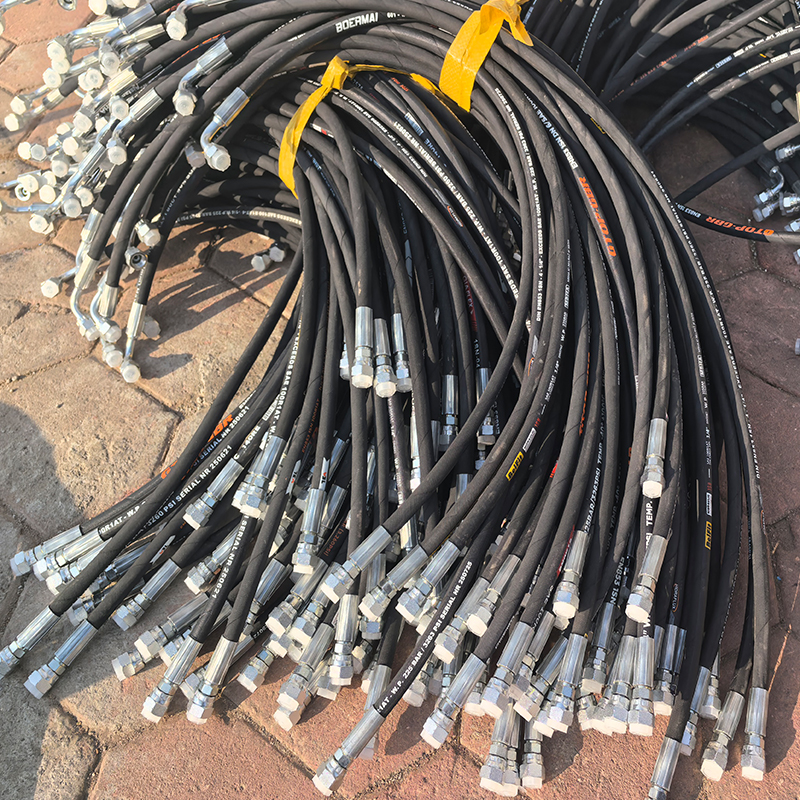 How to Create a Proactive Spiral Hydraulic Hose Replacement Plan That Prevents Downtime?
 Is Your Hydraulic System Overstressing? 5 Diagnostic Signs You Need to Upgrade to Spiral Hose
 Is Your Hydraulic System Pushing Limits? When to Specify Spiral Hose vs. Braided?
 Is Your Machinery Demanding More? Why Upgrade to a Spiral Hydraulic Hose?