
In industries ranging from automotive manufacturing to construction, ensuring safety and reliability is non-negotiable. One often-overlooked component that plays a critical role in these environments is the humble rubber plug. When designed with fire-resistant properties, these plugs become indispensable tools for mitigating risks, enhancing durability, and maintaining operational efficiency. Let’s explore why fire-resistant rubber plugs are a smart investment for businesses and consumers alike.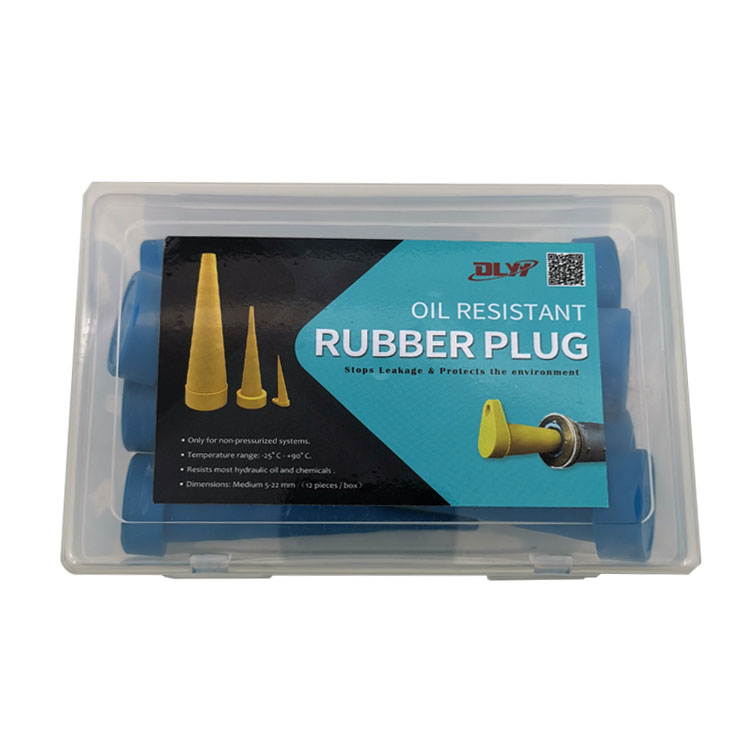
Enhanced Safety in High-Risk Environments
Fire hazards are a constant concern in settings like industrial facilities, automotive workshops, and even residential spaces. A single spark or overheated component can lead to catastrophic consequences. Fire-resistant rubber plugs act as a first line of defense by preventing the spread of flames and containing heat.
These plugs are engineered to withstand extreme temperatures without melting or igniting. For example, in electrical systems, they seal off exposed wiring or unused ports, reducing the risk of short circuits or arc flashes. Similarly, in plumbing or HVAC applications, they block combustible materials from entering ducts or pipes. By integrating fire-resistant plugs into infrastructure, businesses can align with safety regulations such as OSHA standards or the National Fire Protection Association (NFPA) codes, avoiding fines and liability issues.
Long-Term Cost Efficiency
While the initial cost of fire-resistant rubber plugs may be slightly higher than standard alternatives, their long-term savings are undeniable. Traditional plugs made from non-fire-resistant materials are prone to degradation when exposed to heat, leading to frequent replacements. Over time, these costs add up, not to mention the potential downtime caused by equipment failures.
Fire-resistant plugs, on the other hand, are built to last. Their heat-resistant properties prevent warping, cracking, or hardening, ensuring a secure seal for years. This durability translates to fewer replacements, lower maintenance expenses, and uninterrupted workflows. For industries like automotive manufacturing or aerospace, where precision and uptime are critical, the return on investment becomes clear.
Versatility Across Industries
The applications of fire-resistant rubber plugs are as diverse as the industries they serve. In the automotive sector, they seal fuel lines, hydraulic systems, and engine compartments, protecting against fuel leaks and heat damage. In construction, they plug unused conduit openings in walls or floors, preventing the ingress of debris or flames during fires.
Even in residential settings, these plugs offer peace of mind. Homeowners use them to cap off unused outlets in kitchens or garages, where appliances like stoves or water heaters generate significant heat. Their versatility stems from their ability to conform to irregular shapes while maintaining a tight seal, making them adaptable to virtually any scenario requiring thermal protection.
Environmental Sustainability
Sustainability is no longer a buzzword—it’s a business imperative. Fire-resistant rubber plugs contribute to eco-friendly practices in several ways. First, their longevity reduces waste, as fewer plugs end up in landfills compared to disposable alternatives. Second, many manufacturers now produce these plugs using recycled rubber or biodegradable materials, minimizing their environmental footprint.
Additionally, by preventing fires, these plugs reduce the release of harmful chemicals and particulate matter into the atmosphere. Industries that prioritize green certifications, such as LEED for buildings or ISO 14001 for environmental management, can leverage fire-resistant plugs to bolster their sustainability credentials.
Ease of Installation and Maintenance
One of the standout advantages of fire-resistant rubber plugs is their user-friendly design. Unlike rigid metal or plastic caps, rubber plugs are flexible and easy to install, even in tight or awkward spaces. They require no special tools—simply press them into place for an instant seal.
Maintenance is equally straightforward. Over time, dust or debris may accumulate, but a quick wipe with a damp cloth restores their functionality. Their non-corrosive nature means they won’t rust or degrade in humid environments, further simplifying upkeep. For teams managing large-scale operations, this ease of use translates to time savings and reduced labor costs.
Compliance with Industry Standards
Adhering to safety regulations isn’t just about avoiding penalties—it’s about protecting lives and assets. Fire-resistant rubber plugs are designed to meet stringent industry standards, such as UL 94 (Underwriters Laboratories) for flammability or ASTM D2000 for rubber material specifications.
By choosing plugs that comply with these benchmarks, businesses demonstrate their commitment to safety and quality. This compliance is particularly vital in sectors like healthcare, where fire codes are rigorously enforced, or in aerospace, where even minor oversights can have severe consequences.
Peace of Mind for Consumers and Professionals
At its core, the value of fire-resistant rubber plugs lies in the confidence they inspire. For professionals, knowing that their systems are protected against thermal risks allows them to focus on core tasks without constant worry. For consumers, these plugs offer reassurance that their homes or vehicles are shielded from unforeseen hazards.
This peace of mind extends to brand reputation. Companies that prioritize safety through reliable components like fire-resistant plugs build trust with clients and stakeholders, fostering long-term loyalty.
Conclusion
Fire-resistant rubber plugs are more than just accessories—they’re essential safeguards in a world where risks lurk around every corner. From enhancing safety and cutting costs to promoting sustainability and ease of use, their benefits span industries and applications. By investing in these versatile components, businesses and consumers alike can protect what matters most: people, property, and the planet.
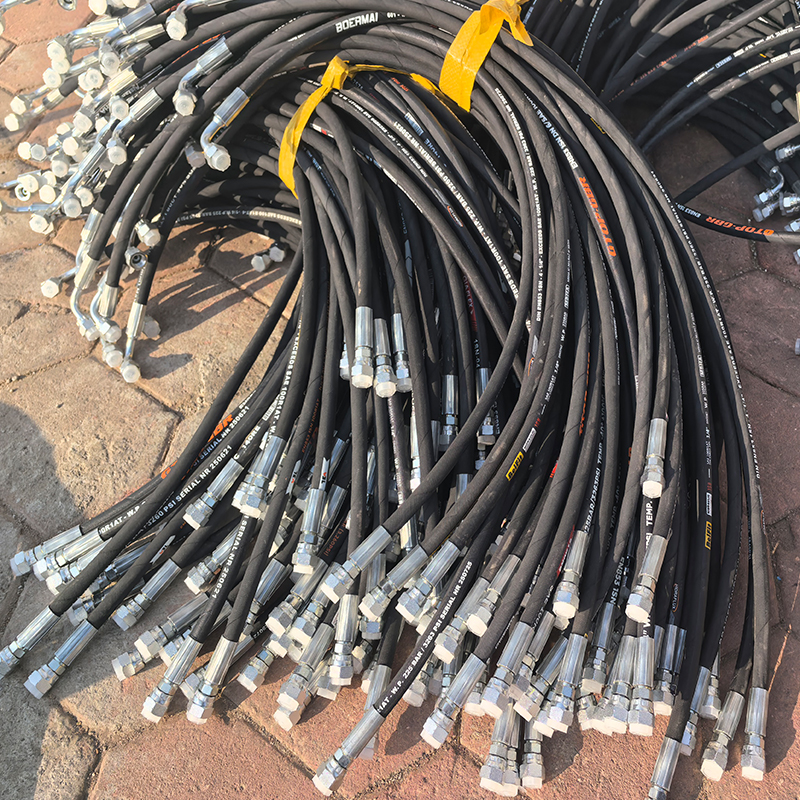 How to Create a Proactive Spiral Hydraulic Hose Replacement Plan That Prevents Downtime?
 Is Your Hydraulic System Overstressing? 5 Diagnostic Signs You Need to Upgrade to Spiral Hose
 Is Your Hydraulic System Pushing Limits? When to Specify Spiral Hose vs. Braided?
 Is Your Machinery Demanding More? Why Upgrade to a Spiral Hydraulic Hose?