
Silicone rubber plugs have garnered significant attention across various industries owing to their distinctive and advantageous properties. This versatile material presents a multitude of benefits that make it an excellent choice for numerous applications. In this comprehensive exploration, we delve into the key advantages of utilizing silicone rubber plugs.
1. Outstanding Thermal Resistance
One of the most notable benefits of silicone rubber plugs is their exceptional thermal resistance. These plugs can endure extreme temperatures, typically ranging from -50°C to 230°C (-58°F to 446°F). This remarkable temperature tolerance makes them highly suitable for environments where exposure to high heat or cold is a common occurrence. Whether it's in freezing conditions or scorching heat, silicone rubber plugs maintain their integrity and functionality.
Moreover, silicone rubber exhibits low thermal conductivity. This property is particularly advantageous in applications where temperature stability is crucial. By reducing heat transfer, silicone rubber plugs help maintain a consistent temperature, ensuring optimal performance and longevity of the equipment or system in which they are used.
2. Chemical Resistance
Silicone rubber plugs are renowned for their high resistance to a wide array of chemicals. They can withstand exposure to acids, bases, and solvents without deteriorating or reacting adversely. This chemical resistance makes silicone rubber plugs an ideal choice for environments where chemical exposure is a concern. Whether in industrial settings, laboratories, or other chemical-intensive applications, these plugs provide reliable and long-lasting performance.
Furthermore, silicone rubber is inert and does not react with most substances. This inertness is especially important in medical and food-related applications, where safety and hygiene are paramount. The non-reactive nature of silicone rubber ensures that it does not leach harmful chemicals into the surrounding environment, making it safe for use in sensitive applications.
3. Impressive Mechanical Properties
Silicone rubber plugs exhibit excellent elasticity and flexibility over a wide range of temperatures. This characteristic is vital in applications that require repeated deformation and recovery. Whether it's sealing, gasketing, or any other application that involves constant movement or pressure, silicone rubber plugs can withstand the demands without losing their shape or functionality.
In addition, silicone rubber has a low permanent compression set. This means that even after prolonged compression, it retains its shape and sealing ability. This property is particularly useful in sealing applications where maintaining a tight seal is critical. Whether it's in automotive engines, industrial machinery, or household appliances, silicone rubber plugs provide reliable and long-lasting sealing performance.
4. Weather Resistance
Silicone rubber plugs are highly resistant to UV light and ozone. This resistance prevents degradation and cracking when exposed to outdoor conditions. Whether it's the harsh sun, extreme weather fluctuations, or prolonged exposure to the elements, silicone rubber plugs maintain their integrity and performance. This makes them an ideal choice for outdoor applications such as gaskets, seals, and other components that are exposed to the elements.
Furthermore, silicone rubber is inherently waterproof. This property makes it an excellent choice for use in wet or humid environments. Whether it's in marine applications, underwater equipment, or any other environment where moisture is present, silicone rubber plugs provide reliable and waterproof performance.
5. Biocompatibility
Silicone rubber plugs are biocompatible and non-toxic, making them widely used in medical devices and implants. The material is well-tolerated by the human body and does not cause adverse reactions or irritation. This biocompatibility, combined with its non-toxic nature, makes silicone rubber plugs a safe and reliable choice for medical applications.
Moreover, silicone rubber is hypoallergenic. This means that it reduces the risk of allergic reactions in sensitive individuals. Whether it's in medical devices, consumer products, or any other application where skin contact is possible, silicone rubber plugs provide a safe and hypoallergenic solution.
6. Ease of Manufacturing
Silicone rubber is easy to inject into molds of different shapes, making it highly versatile for various manufacturing processes. Liquid silicone rubber (LSR) can be mixed and poured into molds, allowing for quick and efficient production. This ease of manufacturing not only reduces production time but also ensures consistent quality and performance of the finished products.
Furthermore, products made from silicone rubber are uniform. This uniformity ensures that each plug meets the specified dimensions and performance standards. Whether it's in mass production or custom manufacturing, silicone rubber plugs provide consistent quality and reliability.
7. Cost-Effectiveness
Silicone rubber plugs are a cost-effective solution for various applications. The use of molds in the manufacturing process results in minimal waste, reducing material costs and production time. This efficiency not only benefits manufacturers but also consumers who can enjoy high-quality products at competitive prices.
Moreover, due to their durability and resistance to environmental factors, silicone rubber plugs have a long lifespan. This longevity reduces the need for frequent replacements, further enhancing their cost-effectiveness. Whether it's in industrial applications, automotive components, or consumer products, silicone rubber plugs provide a long-lasting and cost-effective solution.
8. Environmental Impact
While silicone rubber is not biodegradable, it can be recycled and reused in certain applications. This recyclability contributes to sustainability efforts and reduces the environmental impact of silicone rubber products. By recycling silicone rubber plugs, we can minimize waste and promote a more sustainable use of resources.
Furthermore, the resistance of silicone rubber to chemicals and weathering reduces the need for frequent maintenance and replacement. This reduction in maintenance and replacement not only saves costs but also minimizes waste and environmental impact. Whether it's in industrial settings, consumer products, or any other application, silicone rubber plugs provide an environmentally friendly and sustainable solution.
In conclusion, silicone rubber plugs offer a combination of thermal, chemical, mechanical, and environmental benefits that make them a versatile and reliable choice for a wide range of applications. Whether in industrial, automotive, medical, or consumer products, silicone rubber plugs provide excellent performance and value. Their exceptional thermal resistance, chemical resistance, impressive mechanical properties, weather resistance, biocompatibility, ease of manufacturing, cost-effectiveness, and environmental impact make them an ideal solution for various needs. As technology and innovation continue to advance, the use of silicone rubber plugs is likely to increase, further highlighting their versatility and reliability in diverse applications.
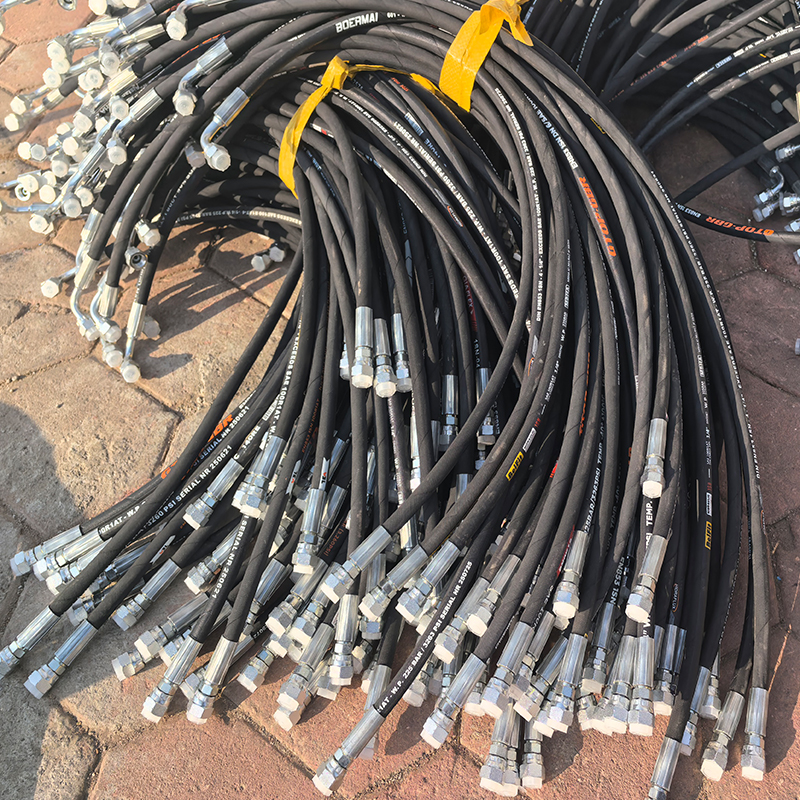 How to Create a Proactive Spiral Hydraulic Hose Replacement Plan That Prevents Downtime?
 Is Your Hydraulic System Overstressing? 5 Diagnostic Signs You Need to Upgrade to Spiral Hose
 Is Your Hydraulic System Pushing Limits? When to Specify Spiral Hose vs. Braided?
 Is Your Machinery Demanding More? Why Upgrade to a Spiral Hydraulic Hose?