
Rubber plug technology stands as a remarkable innovation in both medical equipment and everyday life, particularly in the realm of hypodermic needles. This technology utilizes rubber to establish a secure seal around the tip of a needle, thereby guaranteeing the safe and efficient administration of medication.
The Genesis of Rubber Plug Technology
The origins of rubber plug technology can be traced back to the late 19th century, a period when rubber started to be harnessed for medical applications. Among the earliest groundbreaking inventions was the rubber bandage, which transformed the approach to wound dressing and support.
Progression of Rubber Plug Technology
Hypodermic Needles and the Advent of Rubber Plugs
The advent of the hypodermic needle in the early 20th century paved the way for the creation of rubber plugs designed to cover the needle tip prior to injection. This innovation was pivotal, as it effectively curtailed the transmission of blood-borne diseases that could arise from needle reuse.
Contemporary Applications
Presently, rubber plug technology extends beyond medical applications, finding utility in diverse sectors such as food processing, electronics, and construction. In the pharmaceutical industry, for instance, rubber plugs are employed to seal containers, safeguarding the contents and precluding contamination.
Notable Milestones in the Evolution of Rubber Plug Technology
The Early 20th Century
A landmark achievement in rubber plug technology emerged with the introduction of the hypodermic needle. This innovation was the culmination of efforts by scientists and engineers who acknowledged the necessity for a safe and efficient method to administer medication directly into the bloodstream.
The Mid-20th Century
During the mid-20th century, rubber plug technology underwent further development, with a primary focus on enhancing its reliability and safety. This entailed the creation of new materials that imparted greater durability and resistance to wear and tear to rubber plugs.
The Late 20th and Early 21st Century
In recent years, rubber plug technology has witnessed substantial advancements, especially in the realm of new applications and materials. For example, rubber plugs are now integral to medical devices like insulin pumps and IV bags, where they are indispensable in ensuring the accurate delivery of medications.
Present-Day Utilizations of Rubber Plug Technology
The Medical Industry
Rubber plug technology is predominantly utilized in the medical industry, where it is employed to create secure seals around needles and other medical instruments. This ensures the safe and effective administration of medications, thereby minimizing the risk of infection and other complications.
Other Sectors
Beyond the medical industry, rubber plug technology is prevalent in various other domains, including food processing, electronics, and construction. In the pharmaceutical sector, rubber plugs are used to seal containers, preserving the integrity of the contents and preventing contamination.
A Deeper Dive into the Medical Applications
In the medical field, rubber plug technology has played a crucial role in enhancing patient safety and the efficacy of medical procedures. The use of rubber plugs in hypodermic needles has been instrumental in preventing the transmission of blood-borne pathogens, such as HIV and hepatitis, which can occur through needle reuse.
Moreover, rubber plugs are utilized in a range of medical devices that require a tight seal to function correctly. For instance, in insulin pumps, rubber plugs ensure that the insulin is delivered accurately and without leakage. Similarly, in IV bags, rubber plugs maintain the sterility of the fluid and prevent air from entering the system, which could lead to serious complications.
The Role of Rubber Plug Technology in Food Processing
In the food processing industry, rubber plug technology is employed to seal containers and packaging, ensuring the freshness and safety of the food products. Rubber plugs are used in various stages of the food processing and packaging process, from sealing jars and bottles to capping syrup dispensers and other food containers.
By providing a secure seal, rubber plugs help to prevent contamination and extend the shelf life of food products. This is particularly important in the case of perishable items, such as dairy products and fresh produce, which require careful handling and storage to maintain their quality and safety.
Rubber Plug Technology in Electronics
In the electronics industry, rubber plug technology is utilized to protect sensitive components from moisture, dust, and other environmental factors. Rubber plugs are used to seal openings in electronic devices, such as connectors, ports, and ventilation holes, thereby preventing the ingress of contaminants that could damage the internal components.
This is especially critical in the case of outdoor electronic equipment, which is exposed to harsh weather conditions and other environmental hazards. By incorporating rubber plugs into the design of these devices, manufacturers can ensure their durability and reliability, even in challenging environments.
The Construction Industry and Rubber Plug Technology
In the construction industry, rubber plug technology is employed in various applications, such as sealing joints and gaps in buildings and infrastructure. Rubber plugs are used to create watertight and airtight seals in windows, doors, and other openings, helping to improve the energy efficiency and comfort of buildings.
Furthermore, rubber plugs are utilized in the construction of pipelines and other underground infrastructure, where they are essential in preventing leaks and maintaining the integrity of the systems. By providing a reliable and durable sealing solution, rubber plug technology contributes to the safety and longevity of construction projects.
The Future of Rubber Plug Technology
As the demand for safer, more efficient, and more sustainable technologies continues to grow, rubber plug technology is poised to play an increasingly important role in various industries. Ongoing advancements in materials science and manufacturing processes are likely to lead to the development of new and improved rubber plug designs, offering enhanced performance and versatility.
In the medical industry, for example, the development of advanced materials with superior biocompatibility and resistance to infection could lead to the creation of rubber plugs that offer even greater patient safety and comfort. Similarly, in the food processing, electronics, and construction industries, innovations in rubber plug technology could result in more efficient, durable, and environmentally friendly sealing solutions.
In conclusion, rubber plug technology has come a long way since its inception in the late 19th century. From its humble beginnings in medical bandages to its current applications in diverse industries, this technology has had a profound impact on the way we deliver medications, process food, manufacture electronics, and construct buildings. With continued advancements in materials and technologies, rubber plug technology is set to remain a vital component of our daily lives, contributing to the safety, efficiency, and sustainability of various sectors.
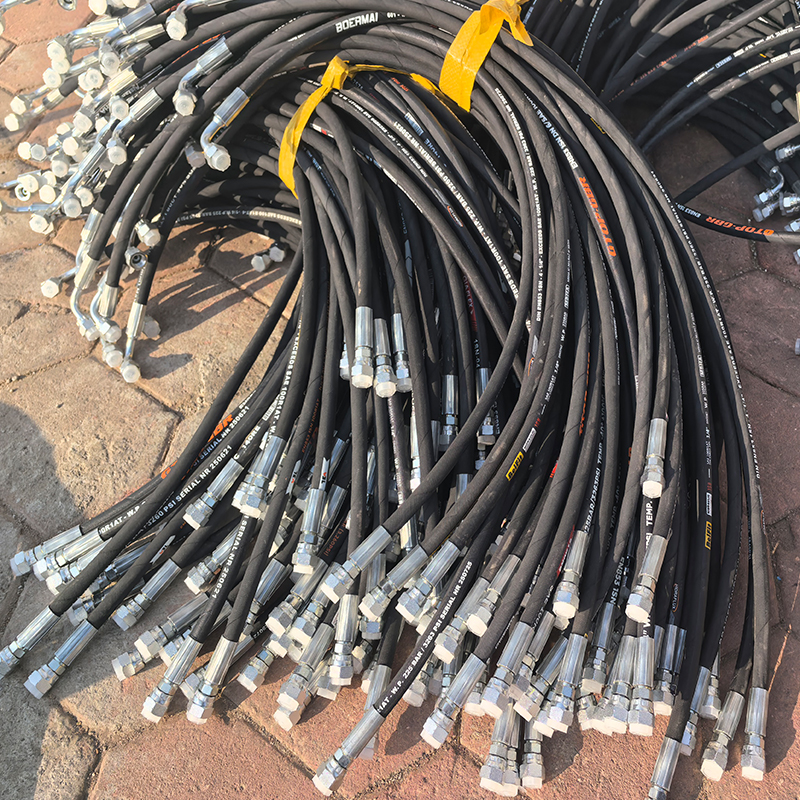 How to Create a Proactive Spiral Hydraulic Hose Replacement Plan That Prevents Downtime?
 Is Your Hydraulic System Overstressing? 5 Diagnostic Signs You Need to Upgrade to Spiral Hose
 Is Your Hydraulic System Pushing Limits? When to Specify Spiral Hose vs. Braided?
 Is Your Machinery Demanding More? Why Upgrade to a Spiral Hydraulic Hose?