
In the intricate world of automotive engineering, every component serves a distinct purpose, contributing to the overall efficiency, safety, and lifespan of vehicles. Among these myriad parts, rubber plugs might seem unassuming, yet they play a pivotal role in various automotive applications. This article delves into the multifaceted roles that rubber plugs fulfill in automotive settings, highlighting their significance in enhancing performance, ensuring safety, and promoting durability.
1. Restricting Movement and Absorbing Impact
One of the primary functions of rubber plugs in automotive applications is to restrict the movement of suspension components and absorb impact to prevent damage. These plugs act as limiters, ensuring that suspension parts such as shock absorbers do not exceed their maximum travel limits. Exceeding these limits can lead to mechanical failures, compromising the vehicle's structural integrity and performance.
For instance, in the automotive chassis system, rubber plugs are strategically installed to safeguard the suspension system from excessive movement. When a vehicle traverses rough terrain or encounters potholes and bumps, the rubber plugs come into play. They absorb the impact, preventing the shock absorbers from bottoming out. This buffering action is crucial as it protects the entire suspension system from potential damage, ensuring smooth and controlled vehicle movement.
2. Safeguarding Suspension Components
Rubber plugs also serve as protective barriers for suspension components, shielding them from damage caused by sudden impacts or over-travel. This protective function is particularly vital in off-road driving conditions or when navigating through bumpy roads. The suspension system is subjected to immense stress in such scenarios, and without adequate protection, components like shock absorbers can sustain significant damage.
Imagine a vehicle traversing a rugged off-road trail. Without rubber plugs, the shock absorbers would be directly exposed to the harsh impacts, potentially leading to compression beyond their limit. This could result in costly repairs and a marked decrease in vehicle performance. However, the presence of rubber plugs ensures that the suspension remains functional and durable, absorbing the brunt of the impact and protecting the delicate internal mechanisms of the shock absorbers.
3. Bolstering Vehicle Safety
Vehicle safety is paramount, and rubber plugs play a crucial role in maintaining it. By ensuring that the suspension system operates within safe parameters, rubber plugs prevent suspension failures during extreme conditions. Such failures can be catastrophic, leading to loss of vehicle control and potential accidents.
Consider a situation where a vehicle hits a large pothole or obstacle at high speed. The force of the impact can be immense, threatening to push the suspension components to their limits. However, rubber plugs act as shock absorbers, dissipating the impact energy and preventing the shock absorbers from reaching their maximum compression point. This, in turn, maintains the stability and control of the vehicle, allowing the driver to maintain steering and braking capabilities.
4. Enhancing Durability and Reducing Maintenance Costs
Another significant role of rubber plugs in automotive applications is to enhance the durability of suspension components. By reducing the stress exerted on these parts, rubber plugs extend their lifespan, leading to lower maintenance costs and fewer breakdowns.
The chassis of a vehicle is a complex system of interconnected parts, and the suspension components are among the most critical. Over time, constant exposure to road vibrations, impacts, and varying terrain conditions can take a toll on these components. However, the use of rubber plugs helps to mitigate this wear and tear. By absorbing and dissipating the energy from road impacts, rubber plugs reduce the strain on shock absorbers and other suspension parts. This ensures that they last longer and continue to perform optimally, even under harsh conditions.
5. Combining Aesthetics with Functionality
Beyond their functional roles, rubber plugs also contribute to the aesthetic appeal of a vehicle. In modern automotive design, every detail matters, and rubber plugs are often utilized in areas like skirt edges to enhance the vehicle's appearance while providing additional protection.
The skirt edges of a vehicle are prone to minor scrapes and dings, especially in urban environments where tight parking spaces and narrow streets are common. Rubber plugs installed in these areas not only add to the overall look of the vehicle but also serve as protective barriers. They shield the vehicle's body from minor impacts, maintaining its visual appeal and structural integrity. This dual function of rubber plugs – combining aesthetics with functionality – makes them an indispensable component in automotive design.
6. Versatility in Application
Rubber plugs are not limited to the suspension system; they find application in various other parts of a vehicle. For instance, they are used in engine compartments to seal openings and prevent the ingress of dirt and debris. In the exhaust system, rubber plugs can be used to temporarily seal pipe ends during maintenance or repairs. Their versatility makes them a valuable asset in the automotive industry, where they can be adapted to suit a wide range of applications.
7. Environmental Considerations
In recent years, there has been a growing focus on environmental sustainability in the automotive industry. Rubber plugs, being made from durable and recyclable materials, align with this trend. They contribute to the longevity of vehicles, reducing the need for frequent replacements and minimizing waste. Furthermore, their ability to protect suspension components from damage helps to extend the overall lifespan of vehicles, thereby reducing the environmental impact associated with vehicle disposal and manufacturing.
8. Contribution to Ride Comfort
Ride comfort is a crucial aspect of automotive design, and rubber plugs play a role in enhancing it. By absorbing road vibrations and impacts, they contribute to a smoother and more comfortable ride. This is particularly important in long-distance travel, where prolonged exposure to road vibrations can lead to driver fatigue and discomfort.
In conclusion, rubber plugs are indispensable components in automotive applications. Their roles in restricting movement, protecting suspension components, bolstering vehicle safety, enhancing durability, and combining aesthetics with functionality make them a vital part of modern automotive design and engineering. Whether it's safeguarding the suspension system, improving vehicle control, or enhancing ride comfort, rubber plugs play a multifaceted role that contributes to the overall performance, safety, and longevity of vehicles. As the automotive industry continues to evolve, the importance of rubber plugs is likely to grow, with ongoing innovations aimed at improving their durability, functionality, and environmental sustainability.
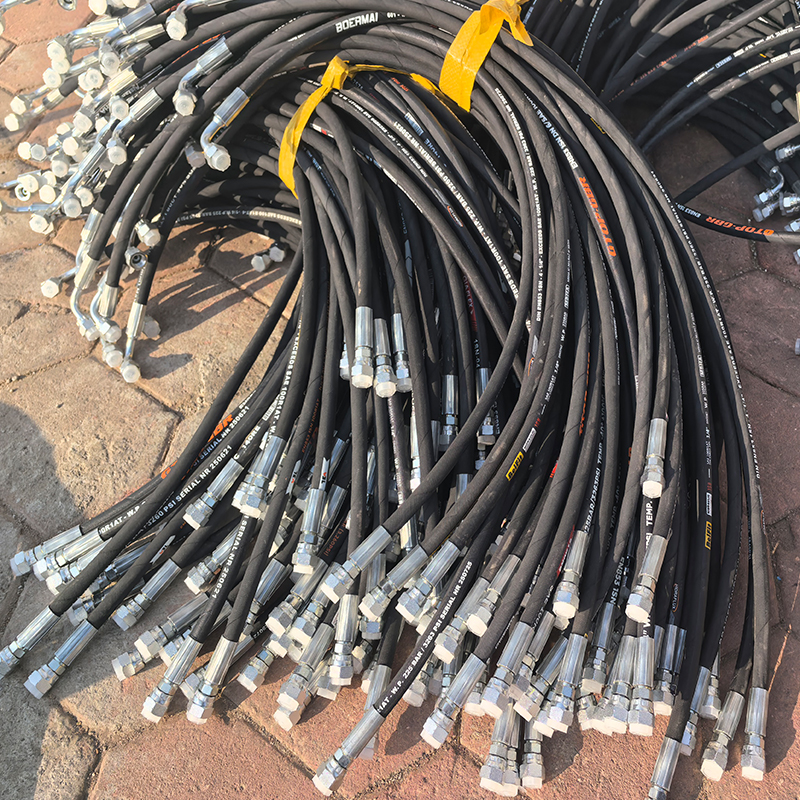 How to Create a Proactive Spiral Hydraulic Hose Replacement Plan That Prevents Downtime?
 Is Your Hydraulic System Overstressing? 5 Diagnostic Signs You Need to Upgrade to Spiral Hose
 Is Your Hydraulic System Pushing Limits? When to Specify Spiral Hose vs. Braided?
 Is Your Machinery Demanding More? Why Upgrade to a Spiral Hydraulic Hose?