
Rubber plugs are integral components in the functionality and safety of a diverse array of medical devices. These unassuming yet critical elements are pivotal in preserving the integrity of sealed systems, safeguarding against contamination, and upholding sterility. This article provides an in-depth examination of their various applications, the advantages they offer, and the significance of material choice in the production of medical rubber plugs.
Applications in Medical Devices
1. Sealing and Containment
Rubber plugs are extensively utilized to seal apertures in medical devices, encompassing syringes, vials, and intravenous (IV) systems. Their primary function is to act as a barrier, precluding the ingress of contaminants and thereby preserving the sterility of the device's contents. This sealing capability is vital in preventing the introduction of microorganisms that could compromise patient safety and the efficacy of medical treatments.
2. Drug Delivery Systems
In the realm of drug delivery systems, rubber plugs serve a dual purpose. They assist in the precise administration of medication by regulating the flow rate, ensuring that the accurate dosage is dispensed. This precision is crucial, as incorrect dosages can lead to ineffective treatment or, in severe cases, adverse reactions. Furthermore, the plugs maintain the sterility of the drug delivery system, protecting it from external contamination.
3. Blood Collection Devices
Rubber plugs are indispensable in blood collection devices, such as vacutainers and other collection tubes. They create a vacuum that facilitates the smooth drawing of blood and minimizes the risk of clotting. This vacuum effect is achieved through the tight seal provided by the rubber plug, which allows for the efficient and safe collection of blood samples.
Benefits of Using Rubber Plugs in Medical Devices
1. Sterility Maintenance
One of the foremost benefits of rubber plugs in medical devices is their ability to maintain sterility. By providing a tight seal, they effectively prevent microbial contamination, ensuring that the devices remain sterile and safe for use. This is particularly important in environments where sterility is paramount, such as operating theaters and intensive care units.
2. Material Compatibility
Medical-grade rubbers are selected for their chemical inertness and compatibility with a wide spectrum of pharmaceuticals and bodily fluids. This ensures that the rubber plugs do not react with or degrade the substances they come into contact with. This compatibility is essential in maintaining the integrity and efficacy of the medical devices and the substances they contain.
3. Biocompatibility
High-quality medical rubber plugs are biocompatible, meaning they are non-toxic and do not elicit adverse reactions when in contact with human tissues or blood. This is crucial in preventing complications and ensuring patient safety. Biocompatibility is a fundamental requirement for all medical devices, and rubber plugs are no exception.
Material Selection and Performance
1. Types of Materials
The choice of rubber material for medical plugs is determined by the specific requirements of the medical device. Various types of rubber, including silicone, latex, and synthetic elastomers, are utilized. Silicone rubber, for instance, is highly favored due to its exceptional biocompatibility and thermal stability. These properties make it an ideal choice for medical applications where high temperatures or direct contact with human tissues is anticipated.
2. Performance Criteria
The selection of rubber material is governed by several performance criteria. Flexibility and elasticity are essential to ensure that the plugs can be easily inserted and removed without causing damage to the medical device or the patient. Chemical resistance is another critical factor, as the plugs must withstand exposure to various chemicals and pharmaceuticals without degrading. Additionally, the ability to withstand sterilization processes is vital, as medical devices must be sterilized before use to ensure patient safety.
Market Trends and Future Outlook
1. Market Growth
The global market for medical rubber plugs is poised for growth, fueled by the increasing demand for high-quality medical devices and advancements in healthcare infrastructure. As healthcare systems in developing countries improve, the demand for medical devices, including those utilizing rubber plugs, is expected to rise. This growth is also driven by the aging population in many countries, which is leading to an increased need for medical treatments and devices.
2. Technological Advancements
Ongoing research and development efforts are focused on enhancing the properties of medical rubber plugs. Efforts are being made to improve their biocompatibility, durability, and ease of use. For instance, researchers are exploring new materials and manufacturing techniques that can enhance the plugs' resistance to wear and tear, making them more durable and long-lasting. Additionally, advancements in design are aimed at making the plugs easier to handle and use, reducing the risk of errors and improving patient outcomes.
3. Regulatory Compliance
Manufacturers of medical rubber plugs must ensure that their products comply with stringent regulatory standards set by bodies such as the Food and Drug Administration (FDA) and the International Organization for Standardization (ISO). These standards are in place to guarantee patient safety and product efficacy. Compliance with these regulations is mandatory for market entry and continued sales, and manufacturers must adhere to them to maintain their reputation and avoid legal repercussions.
In conclusion, rubber plugs are indispensable components in medical devices, playing pivotal roles in sealing, containment, and drug delivery. Their selection and application are governed by rigorous quality and performance standards to ensure they meet the exacting requirements of the medical field. As the healthcare industry continues to evolve, ongoing innovation and adherence to regulatory guidelines will be key to advancing the capabilities and safety of medical rubber plugs.
The future of medical rubber plugs is promising, with technological advancements and market growth driving improvements in their design, durability, and ease of use. As the demand for high-quality medical devices continues to rise, the role of rubber plugs will become even more crucial in ensuring patient safety and the efficacy of medical treatments. Manufacturers must remain committed to innovation and regulatory compliance to meet the evolving needs of the medical field and provide the best possible care for patients.
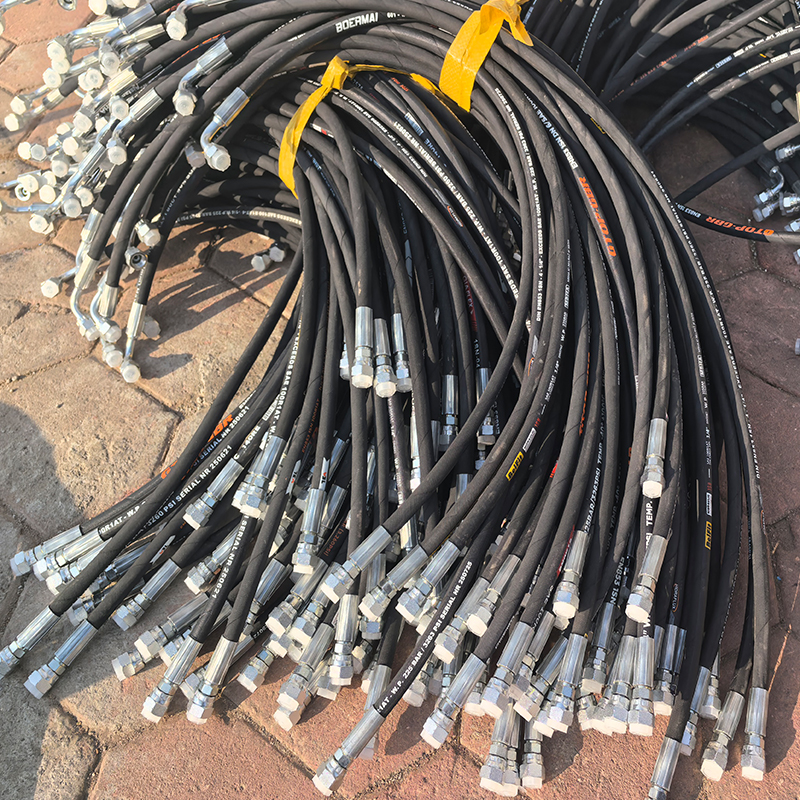 How to Create a Proactive Spiral Hydraulic Hose Replacement Plan That Prevents Downtime?
 Is Your Hydraulic System Overstressing? 5 Diagnostic Signs You Need to Upgrade to Spiral Hose
 Is Your Hydraulic System Pushing Limits? When to Specify Spiral Hose vs. Braided?
 Is Your Machinery Demanding More? Why Upgrade to a Spiral Hydraulic Hose?