
Rubber plugs are ubiquitous in various industries and everyday applications, serving as versatile components that seal, protect, and insulate. From automotive and plumbing to marine and electrical engineering, these unassuming yet crucial items play a significant role in maintaining functionality and safety. This article aims to elucidate the different types of rubber plugs, their materials, applications, and the benefits they offer.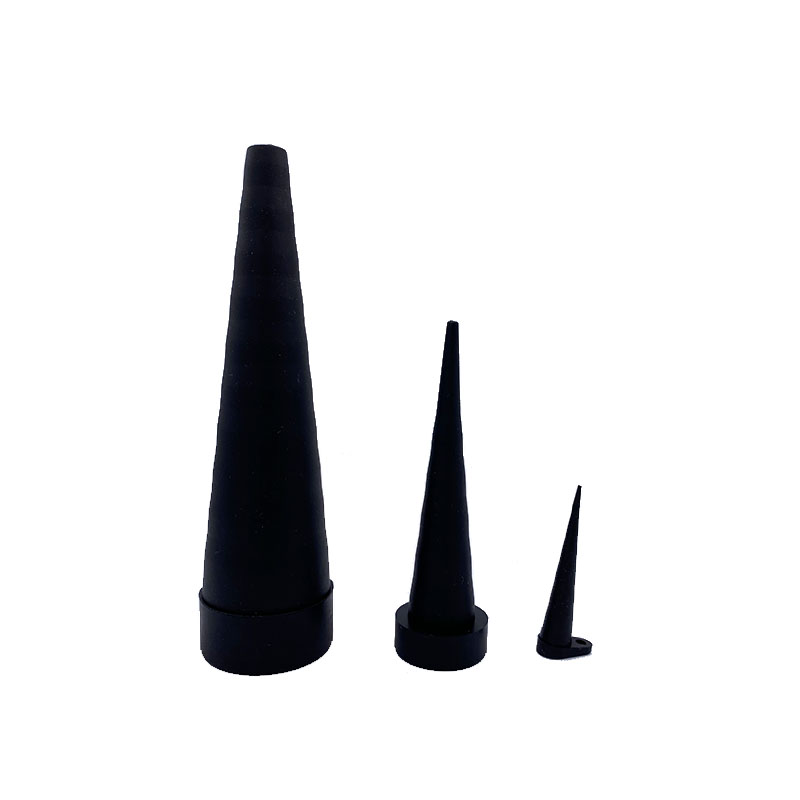
Understanding the Basics of Rubber Plugs
Before delving into the specific types, it's essential to understand what rubber plugs are and their general purpose. A rubber plug is a sealing device typically made from elastomeric materials, designed to fit into holes or openings to prevent the passage of liquids, gases, or solids. They come in various shapes, sizes, and materials, each tailored to specific applications and environmental conditions.
Materials Used in Rubber Plugs
The choice of material for a rubber plug is critical, as it determines the plug's durability, resistance to chemicals, temperature tolerance, and elasticity. Some common materials include:
Natural Rubber (NR): Known for its high elasticity and good resistance to water, natural rubber is often used in applications where flexibility and tear strength are crucial.
Nitrile Rubber (NBR): This synthetic rubber offers excellent oil and fuel resistance, making it ideal for automotive and industrial applications where exposure to hydrocarbons is likely.
Ethylene Propylene Diene Monomer (EPDM): EPDM rubber is renowned for its resistance to weathering, ozone, and UV radiation, making it suitable for outdoor and marine applications.
Silicone Rubber (VMQ): Silicone rubber provides high temperature resistance and remains flexible over a wide temperature range. It's often used in medical and food-grade applications due to its non-toxic properties.
Neoprene Rubber (CR): Neoprene offers good oil and chemical resistance, along with moderate temperature tolerance. It's commonly used in gaskets, seals, and plumbing applications.
Types of Rubber Plugs
With a foundational understanding of materials, let's explore the various types of rubber plugs available:
Expansion Plugs
Expansion plugs, also known as freeze plugs, are used in engines to seal coolant passages. They are designed to relieve pressure in case of freezing, preventing damage to the engine block. Made typically from copper or rubber with a metal insert, they ensure that the engine's cooling system remains intact under normal operating conditions.
Threaded Plugs
Threaded rubber plugs feature a male or female thread, allowing them to be screwed into place. They provide a secure seal in threaded holes and are commonly used in plumbing, hydraulic systems, and electrical enclosures to prevent leaks and ingress of contaminants.
Tapered Plugs
Tapered plugs have a conical shape, designed to fit snugly into tapered holes. They are often used in pipe fittings, valve assemblies, and automotive applications where a tight, leak-proof seal is essential. The taper allows for easy insertion and removal, while the rubber material provides flexibility and adaptability to different hole sizes.
Blanking Plugs
Blanking plugs are used to temporarily or permanently seal holes during manufacturing, maintenance, or repair processes. They are available in various diameters and materials to suit different applications. Blanking plugs help protect components from dust, moisture, and other contaminants, ensuring that the internal parts remain clean and functional.
Vent Plugs
Vent plugs are designed to allow the passage of air or gas while preventing the ingress of liquids. They are commonly used in fuel tanks, gearboxes, and differential housings to maintain pressure equilibrium and prevent the build-up of vacuum or excess pressure. Vent plugs often feature a small hole or membrane that allows gas to escape but prevents liquid from entering.
Grommet Plugs
Grommet plugs combine the functionality of a rubber grommet and a plug, providing a secure fit in a circular opening while protecting wires, cables, or pipes from abrasion and vibration. They are commonly used in automotive, aerospace, and electronic applications where cables or pipes pass through panels or bulkheads.
Custom Molded Plugs
For unique or complex applications, custom molded rubber plugs can be designed and manufactured to precise specifications. These plugs can incorporate various features, such as multiple sealing surfaces, integrated O-rings, or specialized materials, to meet the specific requirements of the application. Custom molded plugs are often used in industries where standard plugs are not suitable or available.
Applications of Rubber Plugs
Rubber plugs find applications in a wide range of industries and situations, including:
Automotive: Engine freeze plugs, oil pan plugs, and vent plugs are critical components in maintaining the integrity and functionality of an automobile's engine and drivetrain.
Plumbing and HVAC: Threaded and blanking plugs are used to seal pipe ends, prevent leaks, and facilitate maintenance in plumbing and HVAC systems.
Marine: EPDM and other weather-resistant rubber plugs are essential in marine applications, where exposure to saltwater, UV radiation, and harsh weather conditions is common.
Electrical Engineering: Grommet plugs and vent plugs protect wires, cables, and electrical enclosures from moisture, dust, and other contaminants, ensuring the reliability and safety of electrical systems.
Industrial and Manufacturing: Custom molded plugs and tapered plugs are used in various industrial applications to seal, protect, and insulate components and equipment.
Benefits of Rubber Plugs
Rubber plugs offer several benefits, making them a popular choice for sealing and protecting applications:
Cost-Effective: Rubber plugs are relatively inexpensive and easy to manufacture, making them a cost-effective solution for sealing and protecting components.
Versatile: With a wide range of materials, shapes, and sizes available, rubber plugs can be tailored to suit almost any application or environmental condition.
Durable: Rubber plugs are highly durable and can withstand exposure to chemicals, temperature extremes, and mechanical stress, ensuring long-lasting performance.
Easy to Install and Remove: Rubber plugs are generally easy to install and remove, allowing for quick and efficient maintenance and repairs.
Reliable: The elastomeric properties of rubber provide an effective seal, preventing leaks and ingress of contaminants, ensuring the reliability and safety of the components they protect.
In conclusion, rubber plugs are an essential component in various industries and applications, offering a versatile, cost-effective, and reliable solution for sealing, protecting, and insulating components. By understanding the different types of rubber plugs, their materials, and their applications, you can select the most appropriate plug for your specific needs, ensuring optimal performance and longevity.
 How to Create a Proactive Spiral Hydraulic Hose Replacement Plan That Prevents Downtime?
 Is Your Hydraulic System Overstressing? 5 Diagnostic Signs You Need to Upgrade to Spiral Hose
 Is Your Hydraulic System Pushing Limits? When to Specify Spiral Hose vs. Braided?
 Is Your Machinery Demanding More? Why Upgrade to a Spiral Hydraulic Hose?