
In an era where energy conservation is both an environmental imperative and a cost-saving strategy, every component in industrial and residential systems plays a role in optimizing efficiency. Among these unsung heroes are rubber plugs—simple yet versatile tools that contribute significantly to reducing energy waste. While often overlooked, these components serve as critical barriers against leaks, vibrations, and environmental contaminants, all of which can undermine energy performance. This article explores how rubber plugs enhance efficiency across industries, from manufacturing to household applications, and why they deserve attention in the broader conversation about sustainability.
Sealing Out Energy Loss: The Core Function of Rubber Plugs
At its most fundamental level, a rubber plug acts as a sealant. Whether capping a pipe, securing a container, or filling a gap in machinery, its primary job is to prevent unwanted air, liquid, or gas from escaping. In heating and cooling systems, for example, poorly sealed ducts or valves can lead to significant energy loss. A loose or missing plug in a ventilation system might allow heated air to leak into unconditioned spaces, forcing HVAC units to work harder and consume more electricity. By contrast, a well-fitted rubber plug creates an airtight barrier, ensuring that conditioned air stays where it’s needed.
The material’s flexibility is key to its effectiveness. Rubber conforms to irregular surfaces, creating a tighter seal than rigid alternatives. This adaptability is particularly valuable in industrial settings, where pipes and machinery often have non-standard dimensions. A plug that molds to the shape of a valve or port minimizes gaps, reducing the risk of energy-wasting leaks.
Vibration Dampening: Reducing Wear and Energy Waste
Machinery vibration is another silent energy thief. Vibrating equipment, from engines to industrial pumps, consumes excess power as it struggles to maintain stability. Over time, vibrations can also loosen components, leading to leaks or mechanical failures that further drain efficiency. Rubber plugs, often integrated into mounting systems or used as isolators, absorb and dissipate vibrational energy.
For instance, in automotive manufacturing, rubber plugs are placed between engine components and chassis to minimize noise and vibration. This not only extends the lifespan of parts but also ensures that the engine operates smoothly, reducing fuel consumption. Similarly, in HVAC systems, rubber plugs used as gaskets between duct sections prevent rattling and air leakage, both of which can compromise energy efficiency.
Thermal Insulation: Keeping Heat Where It Belongs
Energy efficiency isn’t just about preventing leaks—it’s also about maintaining optimal temperatures. Rubber plugs excel in thermal insulation, particularly when made from materials like silicone or neoprene, which have low thermal conductivity. These plugs can be used to seal gaps in insulation around pipes, ducts, or electrical enclosures, preventing heat transfer between environments.
In residential settings, a rubber plug sealing a drafty window frame or an unused dryer vent can reduce heating and cooling costs by up to 10%, according to energy studies. Industrial applications are even more critical. For example, in chemical processing plants, rubber plugs insulate valves and pipelines carrying heated fluids, minimizing heat loss and reducing the energy required to maintain process temperatures.
Chemical Resistance: Protecting Systems and Efficiency
Corrosion and chemical degradation are major threats to energy efficiency. A corroded pipe or valve can develop leaks, forcing systems to compensate by consuming more energy. Rubber plugs, particularly those made from chemically resistant materials like fluorocarbons or butyl rubber, act as protective barriers. They shield metal components from corrosive substances, extending equipment lifespan and preventing energy-wasting breakdowns.
In water treatment facilities, rubber plugs seal access ports on tanks and filtration systems, preventing chemical leaks that could damage infrastructure. Similarly, in automotive applications, plugs used in fuel systems resist degradation from gasoline and oils, ensuring long-term reliability. By preserving the integrity of these systems, rubber plugs indirectly support energy efficiency by reducing the need for frequent repairs or replacements.
Noise Reduction: Creating Quieter, More Efficient Environments
While noise might seem unrelated to energy efficiency, excessive sound often indicates wasted energy. For example, a noisy HVAC system could signal air leaks or vibrating components, both of which reduce performance. Rubber plugs dampen sound by absorbing vibrations and sealing gaps, creating quieter environments that operate more efficiently.
In commercial buildings, rubber plugs used in ceiling fixtures or wall penetrations reduce the transmission of sound between floors, minimizing the need for additional soundproofing materials. This not only improves occupant comfort but also streamlines HVAC performance by eliminating drafts caused by poorly sealed openings.
Sustainability: The Environmental Impact of Rubber Plugs
The push for energy efficiency is inherently tied to sustainability, and rubber plugs align with this goal in multiple ways. First, their durability reduces waste—a single high-quality plug can last for years, outperforming disposable alternatives. Second, many rubber plugs are now made from recycled or bio-based materials, lowering their carbon footprint.
For example, some manufacturers produce plugs from recycled tires or plant-derived rubber, diverting waste from landfills and reducing reliance on petroleum-based materials. Additionally, the energy saved by preventing leaks and vibrations translates to lower greenhouse gas emissions, making rubber plugs a small but meaningful part of the global sustainability equation.
Conclusion: The Overlooked Champion of Efficiency
Rubber plugs may not dominate headlines, but their role in energy efficiency is undeniable. From sealing ducts to dampening vibrations, these versatile components address multiple sources of energy waste, often at a fraction of the cost of larger interventions. Their adaptability, durability, and sustainability make them indispensable in industries ranging from construction to automotive manufacturing.
As businesses and homeowners prioritize energy conservation, recognizing the value of seemingly minor components like rubber plugs becomes essential. By investing in quality seals and gaskets, stakeholders can achieve measurable efficiency gains while contributing to a greener future. In the end, the humble rubber plug proves that sometimes, the smallest solutions pack the biggest punch.
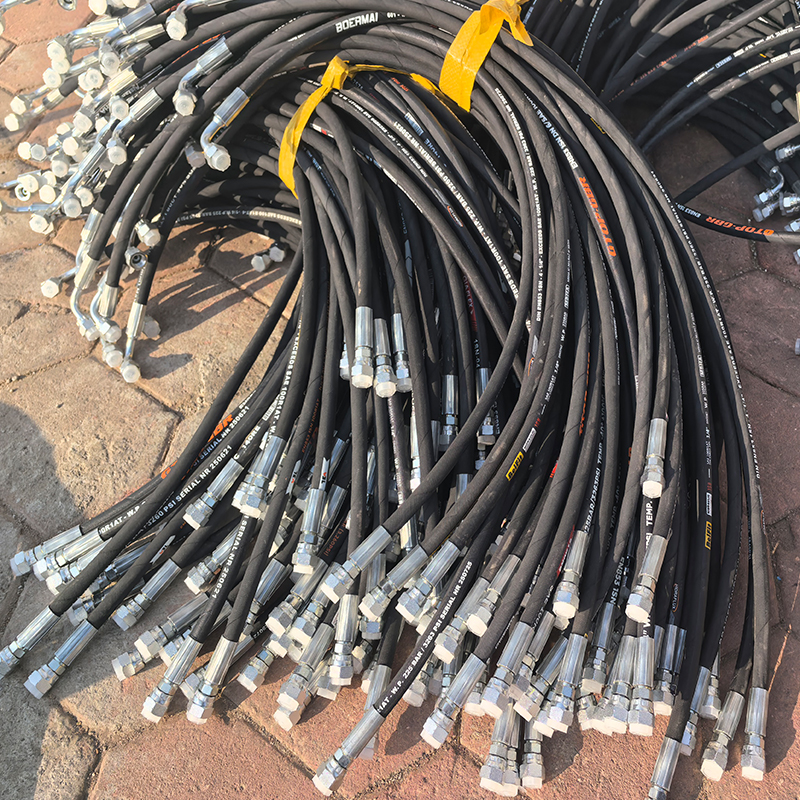 How to Create a Proactive Spiral Hydraulic Hose Replacement Plan That Prevents Downtime?
 Is Your Hydraulic System Overstressing? 5 Diagnostic Signs You Need to Upgrade to Spiral Hose
 Is Your Hydraulic System Pushing Limits? When to Specify Spiral Hose vs. Braided?
 Is Your Machinery Demanding More? Why Upgrade to a Spiral Hydraulic Hose?