
Service plugs, also known as rubber plugs, are versatile components designed to seal, protect, or isolate openings in various industrial and commercial settings. These unassuming yet critical tools play a role in ensuring safety, efficiency, and longevity across multiple sectors. From automotive manufacturing to aerospace engineering, their adaptability makes them indispensable. Let’s explore the industries that rely on service plugs and why they are a go-to solution.
Automotive Industry: Protecting Components During Production and Maintenance
The automotive sector is one of the largest consumers of service plugs. During vehicle assembly, manufacturers use these plugs to seal holes in engine blocks, transmission cases, and fuel systems. This prevents contaminants like dust, metal shavings, or moisture from entering sensitive components before final installation.
Service plugs also prove invaluable during maintenance. Mechanics insert them into fluid ports, such as oil or coolant reservoirs, to block debris while servicing other parts. Their rubber construction ensures a tight fit, even in irregularly shaped openings, reducing the risk of leaks or damage.
Aerospace and Defense: Ensuring Precision in High-Stakes Environments
In aerospace and defense applications, precision and reliability are non-negotiable. Service plugs are used to seal aircraft fuel tanks, hydraulic systems, and avionics compartments during manufacturing or storage. Their ability to withstand extreme temperatures, vibrations, and chemical exposure makes them ideal for these demanding environments.
For example, during the painting or coating of aircraft fuselages, service plugs protect threaded holes and connectors from paint ingress. This ensures proper functionality when components are later assembled. Similarly, in defense equipment, these plugs safeguard electronic systems from moisture and corrosion during field operations.
Electronics and Telecommunications: Safeguarding Sensitive Hardware
The electronics industry relies on service plugs to shield delicate components from environmental hazards. During the production of smartphones, laptops, or servers, manufacturers use them to seal unused ports, such as USB or HDMI slots, to prevent dust or liquid damage.
In telecommunications, service plugs protect fiber-optic connectors and cable terminals during installation or repairs. Their snug fit prevents contaminants from compromising signal quality, ensuring uninterrupted connectivity. Additionally, their reusable nature reduces waste, aligning with sustainability goals in tech manufacturing.
Construction and Infrastructure: Temporary Sealing for Safety
Construction projects often involve temporary openings in pipes, ducts, or concrete structures. Service plugs provide a quick, reliable solution to seal these gaps during construction phases. For instance, in plumbing systems, they block debris from entering pipes before final connections are made.
In infrastructure projects like bridges or tunnels, service plugs isolate sections during pressure testing or maintenance. Their rubber flexibility allows them to conform to irregular surfaces, creating an airtight seal. This not only enhances safety but also streamlines workflows by reducing downtime.
Marine and Offshore Industries: Withstanding Harsh Conditions
Marine environments expose equipment to saltwater, UV rays, and constant movement. Service plugs are used to seal hatches, ports, and electrical connectors on ships, submarines, and offshore drilling platforms. Their resistance to corrosion and chemicals ensures long-term performance in these aggressive settings.
For example, during the maintenance of a ship’s engine room, service plugs block fuel or oil lines to prevent spills. On offshore rigs, they protect instrumentation from saltwater ingress, avoiding costly repairs. Their durability in extreme conditions makes them a staple in marine engineering.
Medical and Pharmaceutical: Maintaining Sterility in Critical Settings
Hygiene and sterility are paramount in medical and pharmaceutical industries. Service plugs are employed to seal equipment ports, such as those on sterilizers, autoclaves, or fluid dispensers. This prevents contamination during cleaning cycles or when devices are not in use.
In laboratories, these plugs secure vials, test tubes, or reaction chambers, ensuring samples remain uncontaminated. Their non-reactive rubber material meets stringent regulatory standards, making them suitable for sensitive applications like vaccine production or biotech research.
Energy Sector: Protecting Pipelines and Renewable Systems
The energy industry, spanning oil and gas to renewables, uses service plugs for pipeline maintenance and equipment protection. During pipeline inspections or repairs, plugs isolate sections to prevent fluid loss or environmental contamination. Their high-pressure resistance makes them ideal for these scenarios.
In renewable energy, service plugs secure solar panel connectors or wind turbine hydraulic systems. By blocking dust and moisture, they extend the lifespan of components, reducing maintenance costs. As the sector grows, so does the demand for reliable sealing solutions.
Conclusion: A Small Component With Big Impact
Service plugs may be small, but their role across industries is significant. From automotive plants to aerospace hangars, they ensure operations run smoothly by protecting critical systems from damage. Their versatility, durability, and cost-effectiveness make them a preferred choice for professionals seeking reliable sealing solutions.
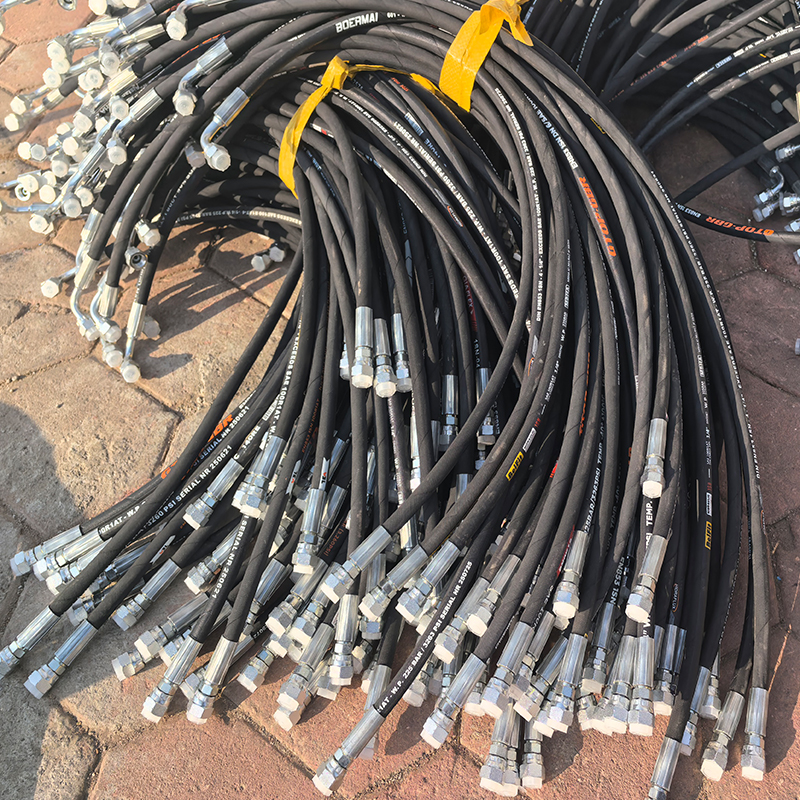 How to Create a Proactive Spiral Hydraulic Hose Replacement Plan That Prevents Downtime?
 Is Your Hydraulic System Overstressing? 5 Diagnostic Signs You Need to Upgrade to Spiral Hose
 Is Your Hydraulic System Pushing Limits? When to Specify Spiral Hose vs. Braided?
 Is Your Machinery Demanding More? Why Upgrade to a Spiral Hydraulic Hose?