
In the vast realm of everyday objects, the rubber plug might seem like an unassuming and unremarkable item. Yet, this simple, often overlooked device plays a crucial role in a multitude of applications, ranging from household chores to industrial processes. Its versatility, durability, and ability to create a watertight or airtight seal make it an indispensable tool in various contexts. So, what exactly is a rubber plug used for, and why is it so important?
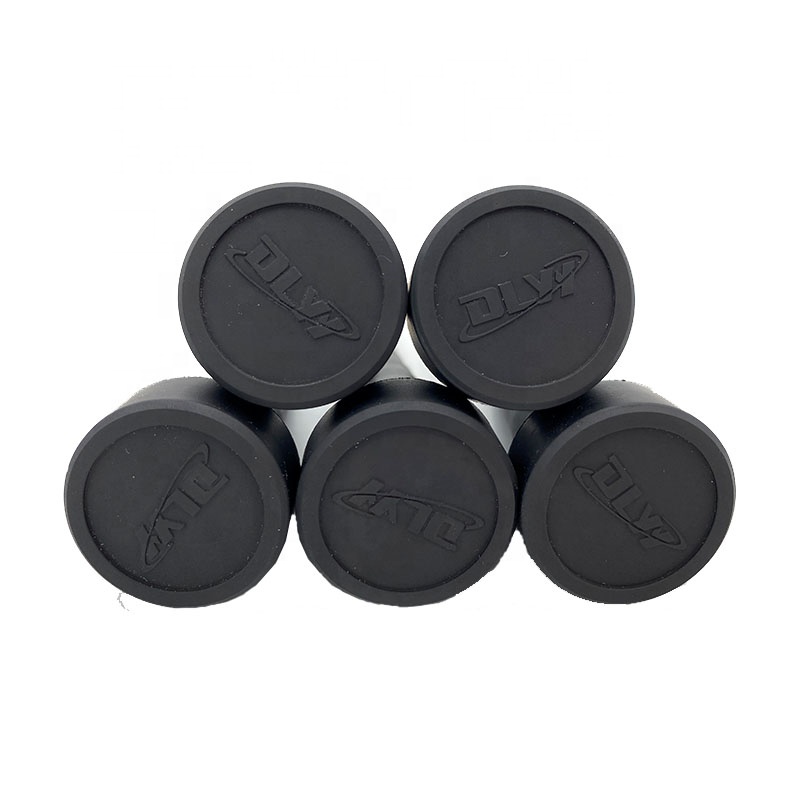
At its core, a rubber plug is a cylindrical or conical piece of rubber designed to fit snugly into an opening, typically to prevent the passage of liquids or gases. The material's elasticity allows it to conform to the shape of the opening, creating a tight seal that can withstand pressure differences. This basic principle underpins the diverse uses of rubber plugs across different fields.
One of the most common applications of rubber plugs is in plumbing and household maintenance. Whether it's stopping a leak in a sink, bathtub, or toilet, a rubber plug can be a quick and effective solution. For instance, when a drain in the kitchen sink starts to leak, a rubber plug can be temporarily inserted into the drainpipe to halt the flow of water until a more permanent repair can be made. Similarly, in bathrooms, rubber plugs are often used to seal the overflow hole in bathtubs, preventing water from spilling onto the floor during bathing.
In the automotive industry, rubber plugs serve multiple purposes. They are frequently used to seal holes in engines, transmissions, and other mechanical components. During manufacturing or maintenance, technicians may need to access certain parts of the engine, which often requires removing bolts or screws that leave behind holes. Rubber plugs are then inserted into these holes to maintain the integrity of the engine's seals, preventing oil, coolant, or other fluids from leaking out. Additionally, rubber plugs are used in tire valves to keep air from escaping, ensuring that vehicles remain properly inflated and safe to drive.
The construction industry also relies heavily on rubber plugs. When building or renovating structures, it is often necessary to seal openings in walls, floors, or roofs temporarily. Rubber plugs can be used to seal holes left by removed pipes or conduits, preventing water ingress and maintaining the building's structural integrity. In roofs, rubber plugs can be particularly useful for sealing around chimneys, skylights, or vent pipes, providing an extra layer of protection against the elements.
Rubber plugs are also integral to many laboratory and scientific applications. In chemistry and biology labs, they are used to seal test tubes, flasks, and other containers, preventing contamination and ensuring that reactions proceed under controlled conditions. The ability of rubber plugs to create an airtight seal is especially important in experiments where the presence of oxygen or other gases could alter the results. Furthermore, rubber plugs are often used in laboratory equipment, such as centrifuges and incubators, to secure samples and prevent spills.
In the marine environment, rubber plugs are essential for maintaining the watertight integrity of vessels. Boats and ships have numerous openings for various purposes, such as drainage, ventilation, and access hatches. Rubber plugs are used to seal these openings when they are not in use, preventing water from entering the vessel and potentially causing damage. In emergency situations, such as hull breaches, rubber plugs can be used as a temporary measure to slow or stop the influx of water until more permanent repairs can be made.
The electronics industry also benefits from the use of rubber plugs. Many electronic devices, particularly those designed for outdoor use, must be able to withstand exposure to moisture and dust. Rubber plugs are used to seal ports and connectors, protecting the internal components from environmental damage. This is particularly important in smartphones, cameras, and other gadgets that are frequently used in harsh conditions.
Moreover, rubber plugs play a vital role in environmental conservation efforts. In the context of oil spills, for example, rubber plugs can be used to seal leaks in pipelines or storage tanks, minimizing the amount of oil that escapes into the environment. They are also used in the construction of dams, levees, and other water control structures to regulate the flow of water and prevent flooding.
The agricultural sector is another area where rubber plugs find utility. In irrigation systems, they are used to seal off valves and pipes, allowing farmers to control the flow of water to their crops. This helps conserve water resources and ensures that plants receive the appropriate amount of water for optimal growth. Additionally, rubber plugs can be used to seal storage tanks for fertilizers and pesticides, preventing contamination and ensuring the safety of agricultural workers.
In the realm of sports and recreation, rubber plugs are often used in equipment maintenance. For example, they are used to seal air valves in inflatable boats, kayaks, and other watercraft, ensuring that they remain buoyant and safe for use. In diving equipment, rubber plugs are used to seal the cylinders containing compressed air, preventing leaks that could endanger divers.
Finally, rubber plugs have numerous DIY and craft applications. They can be used to create custom seals for jars, bottles, and other containers, making them ideal for storing homemade preserves, beverages, or other items. Craft enthusiasts often use rubber plugs to create unique decorative items, such as custom candle holders or vases, by inserting them into glass or ceramic containers to create a secure base.
In conclusion, the rubber plug is a versatile and indispensable tool that serves a multitude of purposes across various industries and everyday life. Its ability to create a watertight or airtight seal makes it an essential component in maintaining the integrity of systems and structures, preventing leaks, and protecting against environmental damage. Whether in plumbing, automotive, construction, laboratory, marine, electronics, environmental conservation, agriculture, sports, or DIY crafts, the rubber plug demonstrates its value time and again. So, the next time you encounter this unassuming little device, remember that it plays a crucial role in keeping our world functioning smoothly.
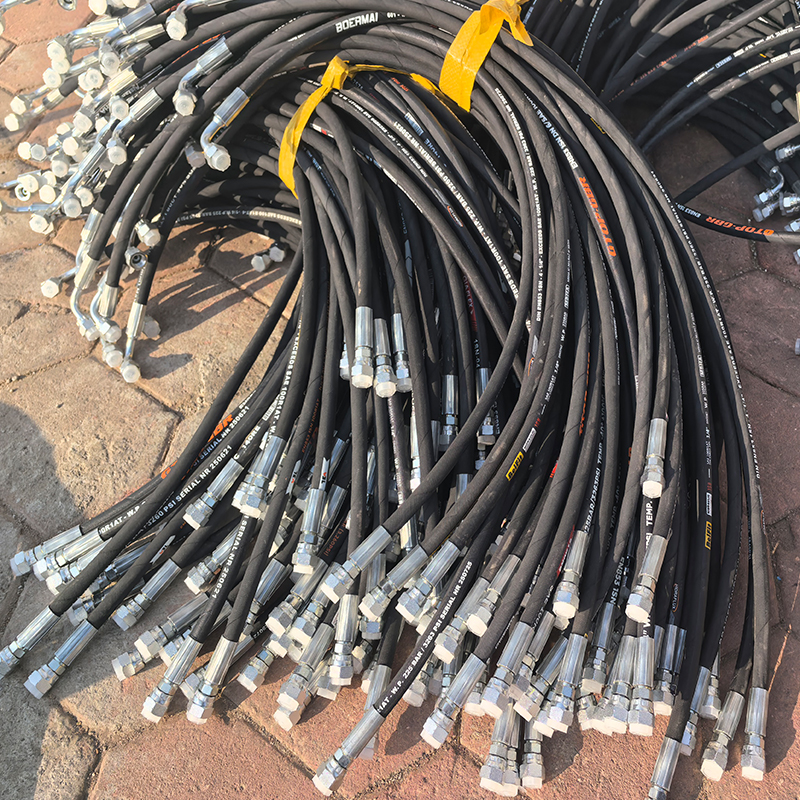 How to Create a Proactive Spiral Hydraulic Hose Replacement Plan That Prevents Downtime?
 Is Your Hydraulic System Overstressing? 5 Diagnostic Signs You Need to Upgrade to Spiral Hose
 Is Your Hydraulic System Pushing Limits? When to Specify Spiral Hose vs. Braided?
 Is Your Machinery Demanding More? Why Upgrade to a Spiral Hydraulic Hose?