
When it comes to maintaining industrial systems, automotive engines, or even residential plumbing, a small but critical component often goes unnoticed: the service plug. Also known in some industries as a rubber plug, this unassuming device plays a vital role in preventing leaks, contamination, and damage during maintenance, storage, or transportation. But for buyers in the U.S., the question lingers: What determines the cost of a service plug, and how can you ensure you’re getting value for your investment?
This article breaks down the factors influencing pricing, explores cost-saving strategies, and explains why cutting corners might cost more in the long run.
The Role of a Service Plug: Why Quality Matters
Before diving into costs, it’s essential to understand what a service plug does. Designed to seal openings temporarily, these plugs block fluids, gases, or debris from entering systems during downtime. For example, in automotive manufacturing, they protect engine components from dirt during assembly. In chemical processing, they prevent residual substances from leaking.
A poorly made plug can lead to costly consequences: contaminated fluids, damaged machinery, or even safety hazards. Investing in a durable, well-fitted plug reduces these risks, making quality a non-negotiable factor—even if it affects the upfront price.
Material Composition: The Foundation of Cost
The primary driver of a service plug’s cost is its material. Rubber, the most common choice, varies in grade and durability:
Natural Rubber: Affordable and flexible but less resistant to chemicals or extreme temperatures.
Synthetic Rubber (e.g., Nitrile, EPDM): Offers superior resistance to oils, acids, or UV exposure, often justifying a higher price.
Silicone: Prized for its heat resistance and longevity, silicone plugs cost more but excel in high-temperature environments.
Buyers must balance performance needs with budget. For instance, a plug exposed to automotive fluids will require chemical-resistant material, while a short-term storage plug might not need premium specs.
Size and Design Complexity: Customization Adds Value
Service plugs aren’t one-size-fits-all. Costs rise with customization, such as:
Unique Dimensions: Oversized or miniature plugs require specialized molds.
Thread Types: Plugs with integrated threads (e.g., for pipe fittings) demand precise engineering.
Multi-Layer Construction: Some plugs combine materials (e.g., rubber with metal inserts) for added strength.
While standard plugs are cheaper, custom designs prevent leaks in niche applications, ultimately saving money by avoiding system failures.
Manufacturing Standards: Compliance Comes at a Price
In the U.S., industries like aerospace, automotive, and healthcare impose strict regulations on components. A service plug used in medical equipment must meet FDA standards, while automotive plugs might require ASTM certification.
Manufacturers investing in certifications and quality control processes—such as ISO 9001—often charge more. However, these plugs reduce the risk of non-compliance fines or product recalls, making them a wise investment for regulated sectors.
Volume Purchases: Bulk Discounts vs. Inventory Costs
Buying in bulk lowers the per-unit cost, but businesses must weigh storage expenses and cash flow. For example:
A small auto repair shop might prefer smaller orders to avoid tying up capital.
A large manufacturer could negotiate volume discounts but needs warehouse space.
Some suppliers offer tiered pricing, where discounts kick in at specific quantities. Assessing annual usage helps strike the right balance between cost savings and inventory management.
Supplier Reputation: Trust vs. Cheap Alternatives
The cheapest plug isn’t always the best deal. Reputable suppliers invest in:
Consistency: Reliable sourcing of materials ensures each plug meets specs.
Customer Support: Technical guidance for selecting the right plug.
Warranties: Replacements for defective products reduce long-term costs.
Working with established suppliers may cost slightly more upfront but minimizes headaches caused by faulty parts.
Long-Term Savings: The Hidden Cost of Poor Quality
A 2plugthatfailsafterthreeusescostsmorethana5 plug lasting five years. Consider:
Downtime: Replacing a failed plug during production halts operations.
System Damage: Leaks can corrode machinery or contaminate products.
Labor Costs: Frequent replacements require staff time and effort.
Viewing a service plug as a long-term investment—rather than a disposable expense—shifts the focus from price to total cost of ownership.
Conclusion: Balancing Budget and Reliability
The cost of a service plug hinges on material quality, design complexity, compliance, and supplier reliability. While it’s tempting to opt for the cheapest option, industries relying on these plugs for safety and efficiency should prioritize durability and performance.
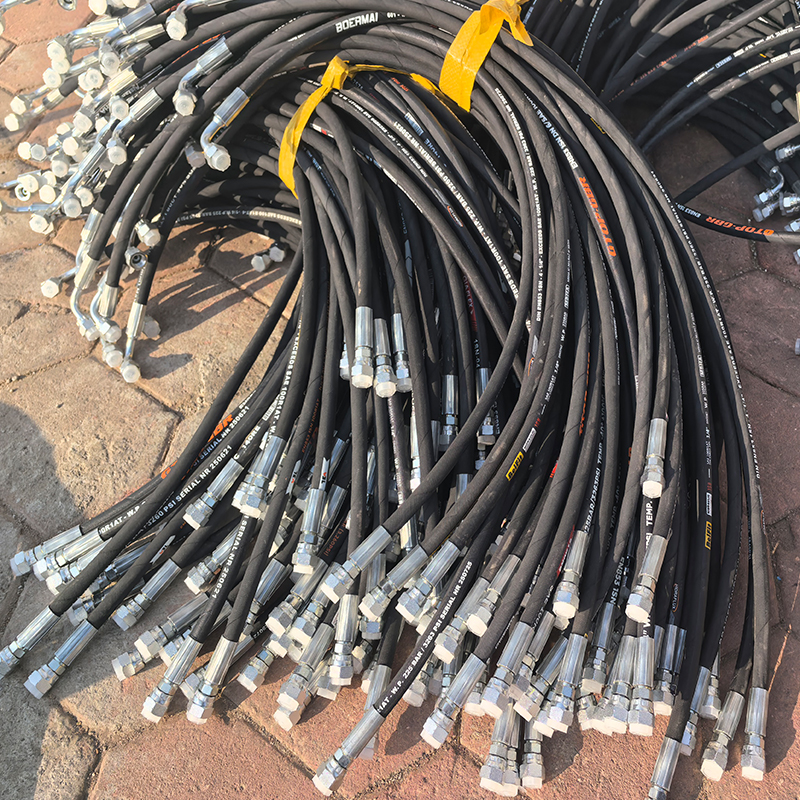 How to Create a Proactive Spiral Hydraulic Hose Replacement Plan That Prevents Downtime?
 Is Your Hydraulic System Overstressing? 5 Diagnostic Signs You Need to Upgrade to Spiral Hose
 Is Your Hydraulic System Pushing Limits? When to Specify Spiral Hose vs. Braided?
 Is Your Machinery Demanding More? Why Upgrade to a Spiral Hydraulic Hose?