
When it comes to protecting pipes, valves, or machinery during maintenance, repair, or storage, plugs play a critical role. Among the various options available, rubber service plugs stand out for their unique properties and versatility. But how do they differ from other types of plugs, such as metal, plastic, or foam alternatives? This article explores the distinct advantages of rubber service plugs, their applications, and why they might be the ideal choice for your needs.
Material Matters: Why Rubber Stands Out
Rubber service plugs are crafted from flexible, durable materials like silicone, neoprene, or natural rubber. Unlike rigid metal or plastic plugs, rubber adapts to irregular shapes, creating a tight seal even on uneven surfaces. This flexibility reduces the risk of leaks, contamination, or damage during use.
Metal plugs, while strong, can corrode over time when exposed to moisture or chemicals, compromising their effectiveness. Plastic plugs may crack under pressure or extreme temperatures, limiting their lifespan. Rubber, however, resists environmental wear and tear, making it a long-lasting solution for both indoor and outdoor applications.
Sealing Performance: A Tight Fit Every Time
The primary function of any plug is to create an airtight or watertight seal. Rubber service plugs excel in this area due to their elasticity. When inserted, they conform to the contours of the opening, eliminating gaps that could allow debris, moisture, or gases to escape or enter.
In contrast, rigid plugs often require precise sizing to fit correctly. A slight mismatch can lead to leaks or inefficiency. Rubber’s ability to stretch and recover means it can accommodate minor variations in diameter, providing a reliable seal without the need for exact measurements. This makes rubber plugs a go-to option for industries like plumbing, automotive, and manufacturing, where consistency is key.
Temperature and Chemical Resistance: Withstanding Extremes
Rubber service plugs are designed to endure harsh conditions. Many rubber compounds resist high temperatures, making them suitable for applications involving hot water, steam, or engine components. They also hold up against oils, fuels, and solvents that might degrade other materials.
For example, in automotive repair shops, rubber plugs are often used to seal engine blocks or fuel lines during maintenance. Their chemical resistance prevents swelling or deterioration, ensuring a secure fit throughout the process. Metal plugs, while heat-resistant, may lack the chemical inertness needed for certain environments, while plastic plugs could melt or warp under heat.
Ease of Installation and Removal: No Special Tools Required
One of the most practical benefits of rubber service plugs is their user-friendly design. Their flexibility allows for easy insertion and removal, even by hand. This is particularly advantageous in fast-paced settings like construction sites or emergency repairs, where time and efficiency matter.
Metal plugs, on the other hand, often require wrenches or sockets, increasing the risk of stripped threads or damaged fittings. Plastic plugs may become brittle over time, making them difficult to remove without breaking. Rubber’s durability ensures it maintains its shape, even after repeated use, reducing downtime and frustration.
Cost-Effectiveness: Long-Term Savings
While rubber service plugs may have a slightly higher upfront cost compared to basic plastic options, their longevity and performance offer significant savings over time. Rubber’s resistance to wear, tear, and environmental factors means fewer replacements are needed, lowering maintenance expenses.
In industrial settings, where equipment downtime can be costly, investing in reliable rubber plugs minimizes disruptions. Additionally, their versatility reduces the need for multiple plug types, streamlining inventory management.
Applications Across Industries: From Plumbing to Aerospace
Rubber service plugs are used in a wide range of sectors due to their adaptability. In plumbing, they temporarily seal pipes during repairs or pressure testing. Automotive technicians rely on them to protect engine components from debris during assembly or storage.
The aerospace industry values rubber plugs for their lightweight yet durable properties, using them to seal fuel tanks or hydraulic systems. Even in residential settings, homeowners use rubber plugs to cap unused outlets or protect outdoor faucets during winter.
Environmental Considerations: A Sustainable Choice
As businesses prioritize sustainability, rubber service plugs offer an eco-friendly advantage. Many rubber compounds are recyclable, and their durability reduces waste by extending product life. Unlike single-use plastic plugs, which contribute to landfill pollution, rubber plugs can be reused across multiple projects.
Furthermore, rubber’s resistance to chemicals means fewer hazardous materials are released into the environment during manufacturing or disposal. This aligns with growing consumer demand for greener solutions in industrial and commercial products.
Conclusion: Why Rubber Service Plugs Are a Smart Investment
Choosing the right plug depends on your specific needs, but rubber service plugs provide a compelling combination of durability, flexibility, and cost-effectiveness. Their ability to seal effectively, withstand extremes, and simplify installation makes them a versatile choice across industries.
Whether you’re protecting equipment during maintenance, sealing pipes in a new construction project, or storing machinery for the off-season, rubber service plugs offer reliability and peace of mind. By understanding their unique advantages, you can make an informed decision that enhances efficiency and reduces long-term costs.
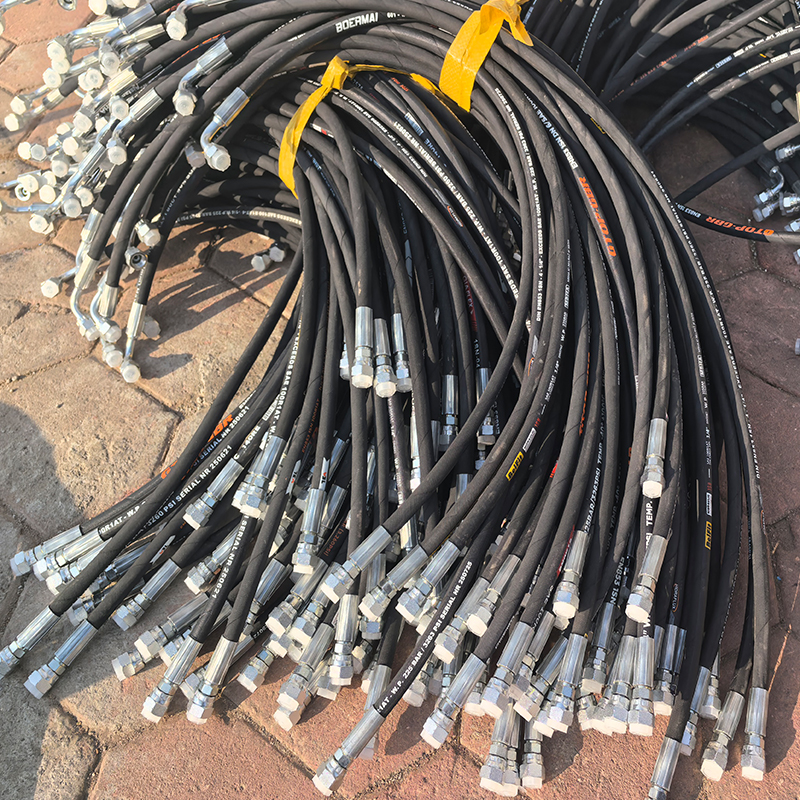 How to Create a Proactive Spiral Hydraulic Hose Replacement Plan That Prevents Downtime?
 Is Your Hydraulic System Overstressing? 5 Diagnostic Signs You Need to Upgrade to Spiral Hose
 Is Your Hydraulic System Pushing Limits? When to Specify Spiral Hose vs. Braided?
 Is Your Machinery Demanding More? Why Upgrade to a Spiral Hydraulic Hose?