
When maintaining or repairing systems that rely on sealed environments—from automotive engines to industrial machinery—the tools used to isolate components play a critical role. Among these tools, service plugs (often referred to as rubber plugs) stand out for their specialized design. But how do they differ from standard plugs, and why might one choose them over alternatives? This article explores the distinctions, applications, and benefits of service plugs compared to other sealing solutions.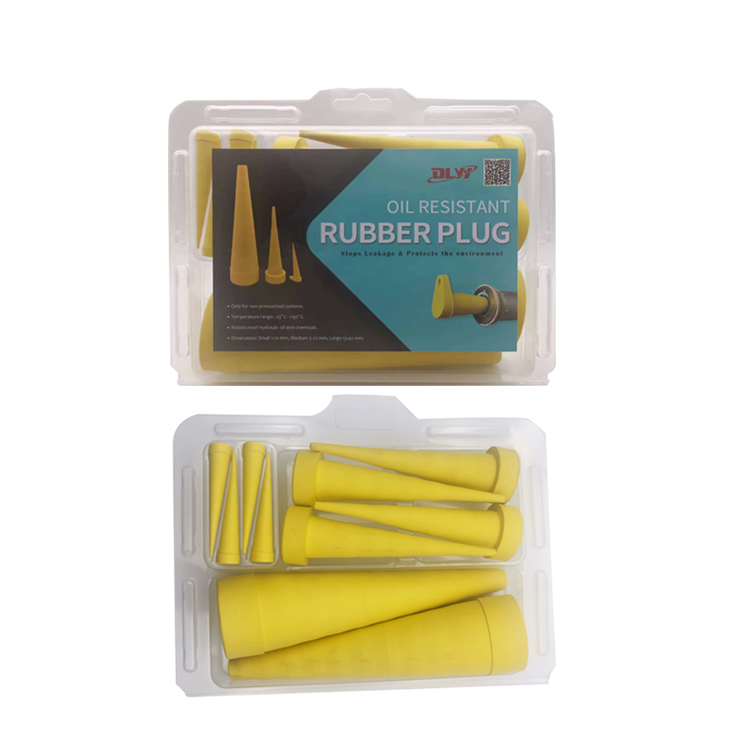
Purpose and Design: Tailored for Temporary Access
Service plugs are engineered to provide temporary sealing during maintenance, testing, or transportation. Unlike permanent plugs, which are designed for long-term installation, service plugs are removed once their purpose is served. Their flexibility allows them to conform to irregular openings, creating a tight seal even in non-standard holes.
In contrast, other plugs—such as threaded metal plugs or rigid plastic caps—are often built for permanent or semi-permanent use. These may require precise sizing and tools for installation, making them less versatile for scenarios where frequent access is needed. Service plugs, with their elasticity and simple push-in design, eliminate the need for threading or adhesives, streamlining the process.
Material Matters: Durability Meets Flexibility
The materials used in service plugs are a key differentiator. Typically crafted from high-grade rubber or silicone, these plugs resist chemicals, temperature extremes, and physical wear. This durability ensures they won’t degrade during short-term use, even when exposed to oils, fuels, or cleaning agents.
Other plugs may use metals like steel or aluminum, which excel in permanent applications but lack the flexibility of rubber. For example, a metal plug might corrode over time or require lubrication for removal, complicating maintenance. Plastic plugs, while lightweight, can become brittle under stress or temperature fluctuations. Service plugs strike a balance: they’re tough enough to withstand harsh conditions yet pliable enough to avoid damaging the surfaces they seal.
Ease of Use: No Tools, No Fuss
One of the most significant advantages of service plugs is their simplicity. Installing them requires no special tools—just hand pressure to push them into place. This makes them ideal for quick repairs, fieldwork, or situations where time is limited.
Compare this to threaded plugs, which demand exact sizing and a wrench or socket for tightening. Even snap-in plastic plugs may require alignment with grooves or ridges, increasing the risk of improper installation. Service plugs eliminate these variables, reducing the chance of leaks or misalignment. Their ergonomic design also means they can be removed just as easily, speeding up reassembly.
Versatility Across Industries
Service plugs are not limited to a single industry. In automotive repair, they seal fuel lines, coolant ports, or engine blocks during servicing. In manufacturing, they protect threaded holes from debris during assembly. Even in aerospace or marine applications, where exposure to moisture and chemicals is common, their resilience shines.
Other plugs often cater to niche uses. For instance, expansion plugs rely on mechanical force to seal, which can damage delicate materials. Silicone caps, while useful for covering connectors, lack the structural integrity needed for high-pressure environments. Service plugs adapt to these varied demands, offering a universal solution where specialized plugs might fall short.
Cost-Effectiveness: A Smart Investment
While service plugs may have a slightly higher upfront cost than basic plastic caps, their reusability and durability make them economical over time. A single service plug can withstand multiple cycles of installation and removal without losing its seal, unlike disposable options that need frequent replacement.
In contrast, metal plugs involve higher material and manufacturing costs, often passed on to the consumer. Cheap plastic alternatives, meanwhile, may crack or warp after a few uses, leading to hidden expenses in downtime and replacements. For businesses prioritizing long-term savings, service plugs offer a compelling return on investment.
Environmental Impact: Reducing Waste
Sustainability is increasingly important across industries. Service plugs align with eco-conscious practices by minimizing waste. Their reusable nature means fewer plugs end up in landfills compared to single-use alternatives. Additionally, rubber and silicone materials are often recyclable, further reducing their environmental footprint.
Metal plugs, while durable, require significant energy to produce and recycle. Disposable plastic plugs contribute to plastic pollution, a growing concern for regulators and consumers alike. By choosing service plugs, companies can demonstrate their commitment to sustainability without compromising performance.
When to Choose Service Plugs Over Alternatives
Deciding between service plugs and other options depends on the application. If you need a temporary, reliable seal for irregular or threaded holes—especially in harsh environments—service plugs are the clear choice. Their flexibility, ease of use, and reusability make them indispensable for professionals who value efficiency and reliability.
For permanent installations, threaded or welded plugs might still be preferable. However, even in these cases, service plugs can serve as protective covers during manufacturing or shipping, offering dual functionality.
Conclusion: The Smart Seal for Modern Needs
Service plugs occupy a unique niche in the world of sealing solutions. Their ability to combine durability, flexibility, and cost-effectiveness sets them apart from rigid or disposable alternatives. Whether you’re maintaining a fleet of vehicles, assembling industrial equipment, or ensuring marine systems stay dry, these plugs provide a hassle-free way to protect openings during critical phases.
 How to Create a Proactive Spiral Hydraulic Hose Replacement Plan That Prevents Downtime?
 Is Your Hydraulic System Overstressing? 5 Diagnostic Signs You Need to Upgrade to Spiral Hose
 Is Your Hydraulic System Pushing Limits? When to Specify Spiral Hose vs. Braided?
 Is Your Machinery Demanding More? Why Upgrade to a Spiral Hydraulic Hose?