
When it comes to sealing, protecting, or isolating components in industrial, automotive, or plumbing systems, rubber service plugs play a critical yet often overlooked role. These flexible, durable tools are designed to withstand varying levels of pressure, ensuring safety and efficiency in countless applications. But how much pressure can they truly handle? Let’s explore the factors that determine their limits, their common uses, and why choosing the right plug matters.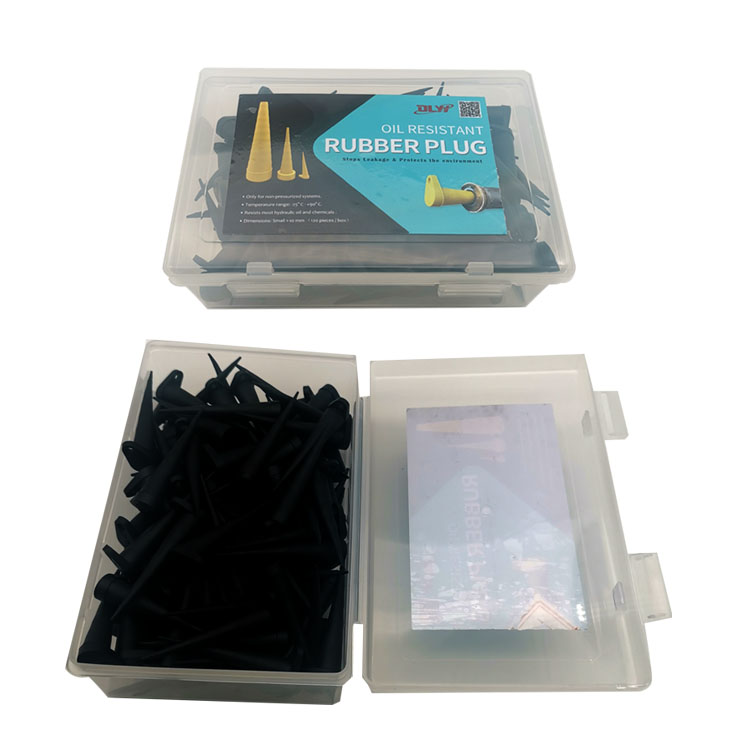
Understanding Pressure Ratings: More Than Just a Number
The pressure a rubber service plug can withstand isn’t a fixed value—it depends on several variables. Key factors include the plug’s material composition, design, size, and the environment in which it’s used. For instance, a plug made from synthetic rubber might tolerate higher pressures than one crafted from natural rubber due to enhanced chemical resistance and elasticity.
Temperature also plays a role. High temperatures can soften rubber, reducing its ability to hold pressure, while cold environments may make it brittle. Manufacturers typically provide pressure ratings based on standard conditions, but real-world scenarios often require adjustments. Understanding these nuances helps users select plugs that align with their specific needs.
Material Matters: The Science Behind Rubber Durability
Not all rubber is created equal. The type of rubber used in service plugs influences their pressure tolerance. Natural rubber, known for its elasticity, is ideal for low-to-moderate pressure applications. Synthetic alternatives like neoprene or silicone, however, offer superior resistance to oils, chemicals, and extreme temperatures, making them suitable for harsher environments.
For example, a plug used in automotive testing might need to withstand sudden pressure spikes, while one in a plumbing system could face prolonged exposure to water pressure. The choice of material ensures the plug maintains its seal without degrading over time.
Design and Fit: Why Size and Shape Are Critical
A rubber service plug’s effectiveness hinges on its design. A well-fitted plug creates an airtight or watertight seal, distributing pressure evenly across its surface. Poorly sized plugs, however, may leak or fail under stress.
Consider the difference between a conical plug and a cylindrical one. Conical designs often provide better sealing in irregular holes, while cylindrical plugs excel in uniform openings. Additionally, some plugs feature reinforced edges or textured surfaces to enhance grip and pressure resistance. The key is matching the plug’s design to the application’s demands.
Common Applications: Where These Plugs Shine
Rubber service plugs are versatile, finding use in industries ranging from automotive to construction. In automotive repair, they seal off fuel lines, hydraulic systems, or exhaust ports during maintenance. In plumbing, they block pipes to prevent debris or water flow during repairs.
Manufacturing facilities rely on them to cap off machinery components during downtime, while laboratories use them to isolate equipment during testing. Even homeowners might encounter them when sealing unused outlets or protecting threads from damage. Their adaptability underscores their value across sectors.
Testing and Standards: How Manufacturers Ensure Reliability
Reputable manufacturers subject rubber service plugs to rigorous testing to determine their pressure limits. These tests simulate real-world conditions, including sustained pressure, temperature fluctuations, and chemical exposure. Certifications like ASTM (American Society for Testing and Materials) standards provide assurance that a plug meets industry benchmarks.
For example, a plug might undergo hydrostatic testing, where it’s submerged in water and pressurized to assess leakage. Dynamic testing, which involves cyclic pressure changes, mimics the stresses of frequent use. These evaluations help manufacturers assign accurate pressure ratings, guiding users toward safe choices.
Environmental Factors: Beyond Pressure Alone
Pressure isn’t the only force rubber service plugs contend with. UV exposure, ozone, and chemicals can degrade rubber over time, weakening its structure. A plug exposed to sunlight in an outdoor setting might crack sooner than one stored indoors. Similarly, contact with oils or solvents could compromise its integrity.
To mitigate these risks, manufacturers often treat rubber with additives that resist environmental damage. Users should also store plugs in cool, dark places and avoid exposing them to incompatible substances. Regular inspection for cracks or deformation ensures continued reliability.
Choosing the Right Plug: A Balance of Performance and Cost
Selecting a rubber service plug involves weighing pressure requirements against budget and longevity. While high-pressure plugs made from premium materials offer durability, they may not be necessary for low-stakes applications. Conversely, opting for a cheaper plug in a high-pressure scenario could lead to failures and costly repairs.
Consider the plug’s lifecycle. A reusable plug might cost more upfront but save money over time compared to disposable alternatives. Consulting with experts or referring to manufacturer guidelines can help strike the right balance.
Conclusion: The Unsung Hero of Safety and Efficiency
Rubber service plugs may seem like minor components, but their ability to withstand pressure makes them indispensable in countless settings. By understanding material properties, design considerations, and environmental impacts, users can select plugs that perform reliably under stress. Whether safeguarding a hydraulic system or preparing a pipeline for maintenance, these unassuming tools ensure operations run smoothly—and safely.
Investing time in choosing the right plug pays off in the long run, reducing downtime, preventing leaks, and protecting both equipment and personnel. After all, when it comes to pressure, even the smallest details can make the biggest difference.
 How to Create a Proactive Spiral Hydraulic Hose Replacement Plan That Prevents Downtime?
 Is Your Hydraulic System Overstressing? 5 Diagnostic Signs You Need to Upgrade to Spiral Hose
 Is Your Hydraulic System Pushing Limits? When to Specify Spiral Hose vs. Braided?
 Is Your Machinery Demanding More? Why Upgrade to a Spiral Hydraulic Hose?