
In an era where sustainability is no longer a buzzword but a necessity, homeowners, contractors, and engineers are increasingly questioning the environmental impact of everyday construction materials. Flexible pipe couplings, a staple in plumbing and infrastructure projects, are no exception. These versatile components connect pipes of varying sizes or materials, allowing for movement and reducing the risk of leaks. But how do they fare when it comes to eco-friendliness? Let’s explore their lifecycle, materials, and broader environmental implications.

The Role of Flexible Pipe Couplings in Modern Infrastructure
Flexible pipe couplings are designed to simplify installations and repairs. Unlike rigid connectors, they accommodate thermal expansion, ground shifts, and vibrations, making them ideal for seismic zones, underground utilities, and industrial settings. Their ability to prevent leaks—a major cause of water waste and soil contamination—positions them as a practical solution for sustainable water management.
By reducing the need for frequent replacements or repairs, these couplings also lower long-term material consumption. For instance, a single durable coupling can outlast multiple rigid connectors, minimizing waste generated over time. This longevity is a cornerstone of their environmental appeal, but it’s only part of the story.
Material Matters: From Production to Disposal
The eco-friendliness of flexible pipe couplings hinges largely on their composition. Most modern couplings are made from materials like stainless steel, rubber, or engineered plastics. Each has distinct environmental pros and cons:
Stainless Steel: Highly durable and corrosion-resistant, stainless steel couplings can last decades. However, mining and refining the raw materials require significant energy, contributing to carbon emissions.
Rubber (EPDM or Nitrile): Synthetic rubber couplings are flexible and resistant to chemicals, but their production involves petroleum-based feedstocks. Recycling options are limited, though some manufacturers now use recycled rubber.
Engineered Plastics: Lightweight and corrosion-proof, plastics like HDPE or PVC are popular for water systems. While they demand less energy to produce than metals, their recycling rates remain low, and improper disposal can lead to microplastic pollution.
The key to minimizing environmental harm lies in selecting couplings made from recycled or bio-based materials and ensuring proper disposal at the end of their lifespan.
Energy Efficiency in Installation and Maintenance
Flexible pipe couplings shine in reducing labor and energy costs during installation. Unlike welding or soldering, which require specialized equipment and heat, couplings can often be installed by hand or with basic tools. This cuts down on fossil fuel consumption from machinery and lowers the carbon footprint of each project.
Maintenance is another area where couplings prove eco-friendly. Their ability to absorb movement prevents pipe stress, reducing the likelihood of cracks or bursts. Fewer leaks mean less water wasted—a critical benefit in drought-prone regions—and fewer emergency repairs that involve heavy machinery or chemical sealants.
Water Conservation: A Hidden Environmental Benefit
Leaky pipes are a silent environmental disaster. The U.S. Environmental Protection Agency (EPA) estimates that household leaks waste nearly 1 trillion gallons of water annually nationwide. Flexible couplings, by creating secure, adaptable connections, help mitigate this issue. Their role in preserving freshwater resources is especially vital in areas facing water scarcity or where treatment facilities rely on energy-intensive processes.
Moreover, in industrial settings, couplings prevent chemical leaks that could contaminate soil or groundwater. This protection of ecosystems underscores their broader environmental value beyond mere functionality.
End-of-Life Considerations: Recycling and Waste Reduction
The environmental impact of any product doesn’t end when it’s no longer useful. Flexible pipe couplings face challenges here, particularly if made from mixed materials (e.g., rubber-lined metal). However, advancements in recycling technologies are improving prospects:
Metal Components: Stainless steel can be melted down and repurposed indefinitely without losing strength.
Plastic Parts: Some thermoplastics can be recycled into new products, though contamination and degradation over time remain hurdles.
Rubber: While less commonly recycled, ground rubber from old couplings can be used in asphalt, playground surfaces, or even new couplings.
Consumers and businesses can further reduce waste by choosing manufacturers with take-back programs or prioritizing modular designs that allow for partial replacement of worn components.
The Human Factor: Safety and Community Health
Eco-friendliness isn’t just about materials—it’s also about protecting human health. Traditional pipe repair methods, such as soldering with lead-based alloys or using toxic adhesives, pose risks to workers and nearby residents. Flexible couplings eliminate the need for such hazardous substances, creating safer job sites and reducing chemical runoff into waterways.
Additionally, their durability means fewer disruptions to communities. Road closures or excavation projects to fix leaky pipes generate noise, air pollution, and greenhouse gases. By extending the lifespan of plumbing systems, couplings help minimize these localized environmental impacts.
The Path Forward: Innovation and Consumer Choice
As demand for sustainable solutions grows, manufacturers are investing in greener alternatives. Bio-based plastics, recycled rubber composites, and even couplings designed for disassembly (to ease recycling) are emerging trends. Consumers can drive this shift by asking suppliers about the environmental credentials of their products and opting for certifications like Cradle to Cradle or EPEAT.
Government policies also play a role. Incentives for using recycled materials or penalties for non-recyclable designs could accelerate the adoption of eco-friendly couplings.
Conclusion: Balancing Practicality and Planet
Flexible pipe couplings aren’t inherently “green” or “ungreen”—their environmental impact depends on material choices, usage patterns, and end-of-life management. However, their ability to conserve water, reduce energy use, and prevent leaks positions them as a net positive for sustainability when selected and maintained thoughtfully.
For Americans committed to building a greener future, these components offer a compelling example of how small design choices can yield significant ecological benefits. By prioritizing durability, recyclability, and safe installation methods, the plumbing industry can ensure that flexible couplings remain a fixture in sustainable infrastructure for decades to come.
In the end, the question isn’t just whether flexible pipe couplings are eco-friendly, but how we can make them even more so. The answer lies in innovation, education, and a shared commitment to protecting our planet—one pipe at a time.
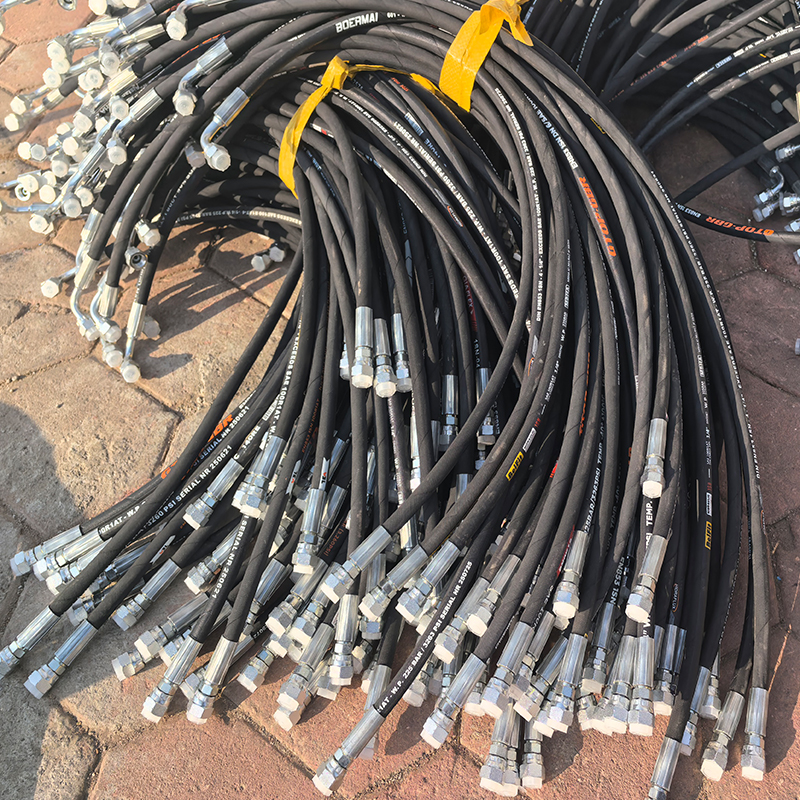 How to Create a Proactive Spiral Hydraulic Hose Replacement Plan That Prevents Downtime?
 Is Your Hydraulic System Overstressing? 5 Diagnostic Signs You Need to Upgrade to Spiral Hose
 Is Your Hydraulic System Pushing Limits? When to Specify Spiral Hose vs. Braided?
 Is Your Machinery Demanding More? Why Upgrade to a Spiral Hydraulic Hose?