

Diagnosing Hydraulic System Stress: A Practical Guide to Upgrading to Spiral Hose
In heavy machinery, hydraulic hose failure is more than an inconvenience—it’s a major safety and productivity risk. Many equipment operators use standard braided hoses (SAE 100R1/R2) in applications that have evolved beyond their design limits. If your system is experiencing frequent blowouts, unexplained downtime, or performance drops, it may be silently demanding an upgrade to Spiral Hydraulic Hose (SAE 100R12/R13). This guide provides a step-by-step diagnostic framework to determine when a spiral hose is no longer an option, but a necessity.
The Tipping Point: When Braided Hose Reaches Its Limit
Standard braided hoses are workhorses for medium-pressure applications. However, they are not designed for the extreme demands of modern high-efficiency hydraulics. The spiral hose, with its multiple layers of helically wound steel wire, offers superior burst strength and impulse fatigue resistance. The decision to upgrade should be driven by data and observable symptoms, not guesswork.
5 Diagnostic Signs You Need a Spiral Hose Upgrade
Use this checklist to systematically evaluate your hydraulic system:
1. Chronic Premature Failure (The "Blowout Cycle")
Symptom: Hoses are failing long before their expected service life, typically at the bend or near fittings. The failure is often a sudden, catastrophic burst rather than a slow leak.
Diagnosis: This indicates that the hose is experiencing pressure spikes (impulses) that exceed the braided reinforcement's fatigue limit. Spiral hoses are engineered to withstand hundreds of thousands of impulse cycles, making them ideal for high-shock applications like excavators and hydraulic presses.
Action: If you are replacing the same hose more than once a year under normal operating conditions, it is a strong candidate for an upgrade.
2. Operating Pressure Exceeds 3000 PSI
Symptom: Your system's normal working pressure is consistently above 3000 PSI (approximately 210 bar), or you have upgraded pumps/cylinders for higher performance.
Diagnosis: Braided hoses begin to operate at the edge of their safe envelope in this range. Spiral hoses (R12/R13) are rated for 4000-6000+ PSI, providing a crucial safety margin and reducing the risk of dangerous failures.
Action: Review your equipment's hydraulic schematics or use a pressure gauge to monitor the actual working pressure. If it consistently breaches 66% of the braided hose's rated maximum, upgrade to spiral.
3. Visible "Ballooning" or Twisting During Operation
Symptom: The hose assembly visibly expands, twists, or jerks violently when the system is under load or when valves actuate.
Diagnosis: This is a clear sign of high impulse loads and inadequate reinforcement. The spiral wire construction resists radial expansion, maintaining stability under extreme pressure surges.
Action: Conduct a visual inspection while the machine is running (from a safe distance). Any visible movement beyond normal vibration suggests the hose is absorbing excessive energy it wasn't designed to handle.
4. High-Cycle, High-Shock Applications
Symptom: The equipment operates in a high-duty cycle environment with rapid, repeated actuation (e.g., rock breakers, stamping machines, injection molding clamps).
Diagnosis: The constant pressure cycling causes internal friction and heat buildup in braided hoses, leading to wire fatigue. Spiral hoses distribute these loads more evenly across multiple layers.
Action: Count the operational cycles per minute. If the system cycles more than once every few seconds under high pressure, spiral hose is the correct specification.
5. Post-Failure Forensic Analysis
Symptom: Upon cutting open a failed hose, you observe broken wires in a localized area or "birdcaging" (tangled wire reinforcement).
Diagnosis: Localized wire breakage is a classic indicator of impulse fatigue. Spiral hoses are less prone to this failure mode due to their parallel wire winding structure.
Action: Perform a failure analysis. If the inner tube is intact but the reinforcement is broken, the hose was mechanically overloaded by pressure spikes.
Practical Inspection and Testing Methods
Before ordering a full upgrade, you can perform these non-invasive checks to confirm your diagnosis:
Pressure Gauge Test: Install a high-response pressure gauge at the pump outlet or near the suspected circuit. Observe the needle during operation. If it shows sharp, rapid peaks that far exceed the system's set pressure, you have confirmed the presence of destructive impulses.
Thermal Imaging: Use an infrared camera to scan the hose after operation. A braided hose operating beyond its limits will often show localized hot spots at the failure points due to internal friction and flexing.
Bend Radius Audit: Measure the installed bend radius of your current hoses. If they are bent tighter than the manufacturer's recommended minimum, they are under extreme stress. Spiral hoses require a larger bend radius, so this audit will also inform you if a re-routing of the hydraulic lines is necessary during the upgrade.
The Upgrade Decision Matrix
| Condition | Braided Hose (R1/R2) | Spiral Hose (R12/R13) |
| Working Pressure | < 3000 PSI | > 3000 PSI |
| Impulse Spikes | Infrequent, < 125% of WP | Frequent, > 133% of WP |
| Failure History | Normal wear (years) | Chronic (months) |
| Application | Light mobile, agriculture | Mining, construction, heavy press |
Conclusion: From Reactive Repair to Proactive Reliability
Upgrading to a spiral hydraulic hose is an investment in operational integrity. By moving beyond a reactive "replace-when-fails" approach to a diagnostic-driven specification, you can dramatically reduce unplanned downtime, enhance worksite safety, and lower the total cost of ownership. If your inspection reveals two or more of the symptoms above, it is time to consult with your hose supplier to select the correct SAE 100R12 or R13 spiral hose for your system.
 How Much Load Can a Bridge Bearing Pad Actually Carry? Engineering Data for Safe Girder Support
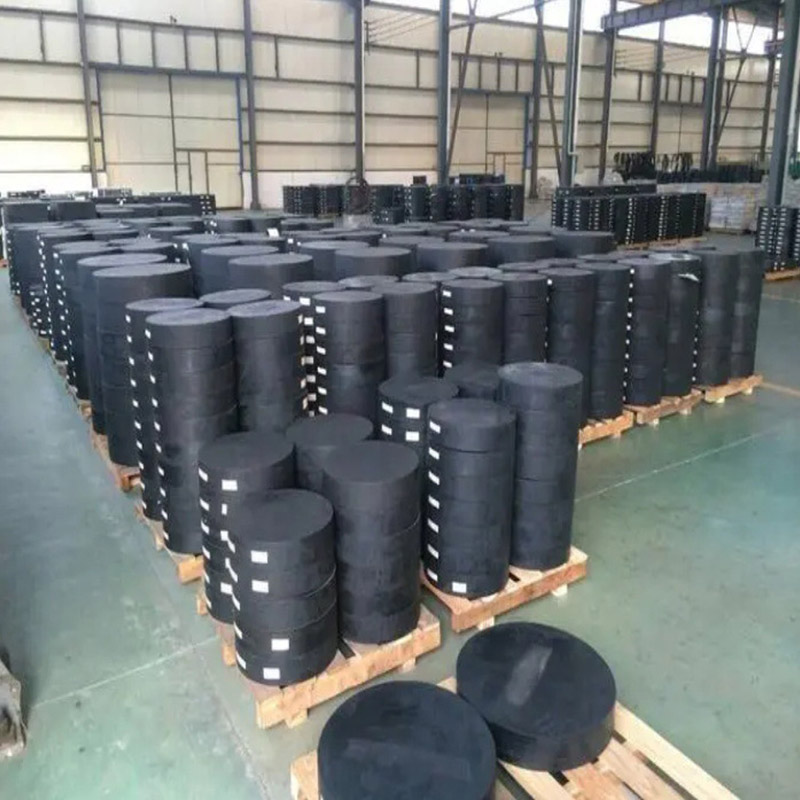 Is Your Bridge Bearing Pad Specified for the Wrong Rubber Grade? Why Elastomeric Bridge Bearing Pad Selection Decides 50-Year Deck Life
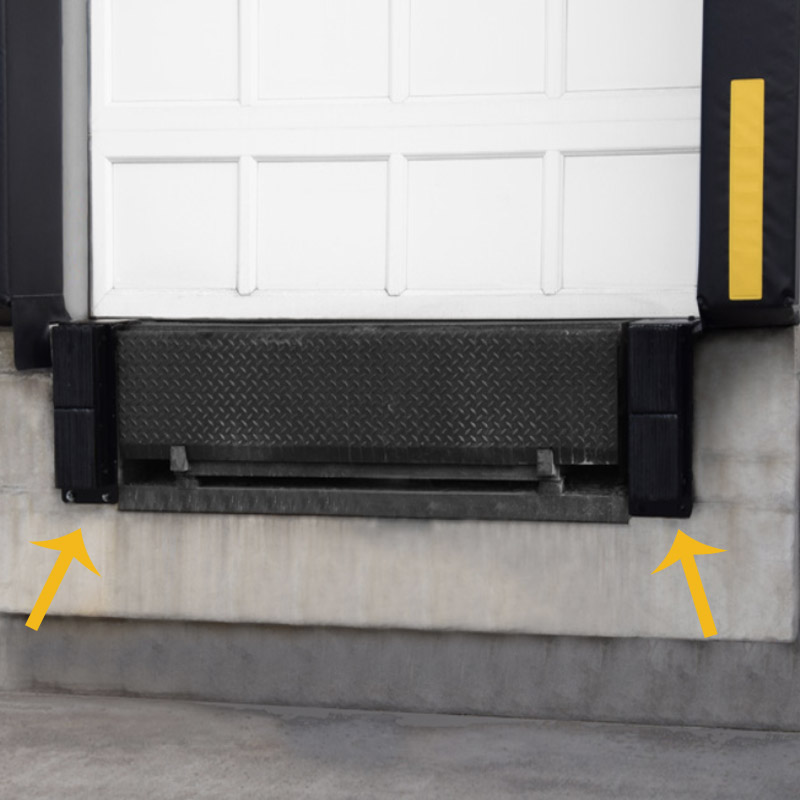 Can a Loading Dock Bumper Survive -30°C Winters and +50°C Summers? Here Is the Extreme-Weather Data
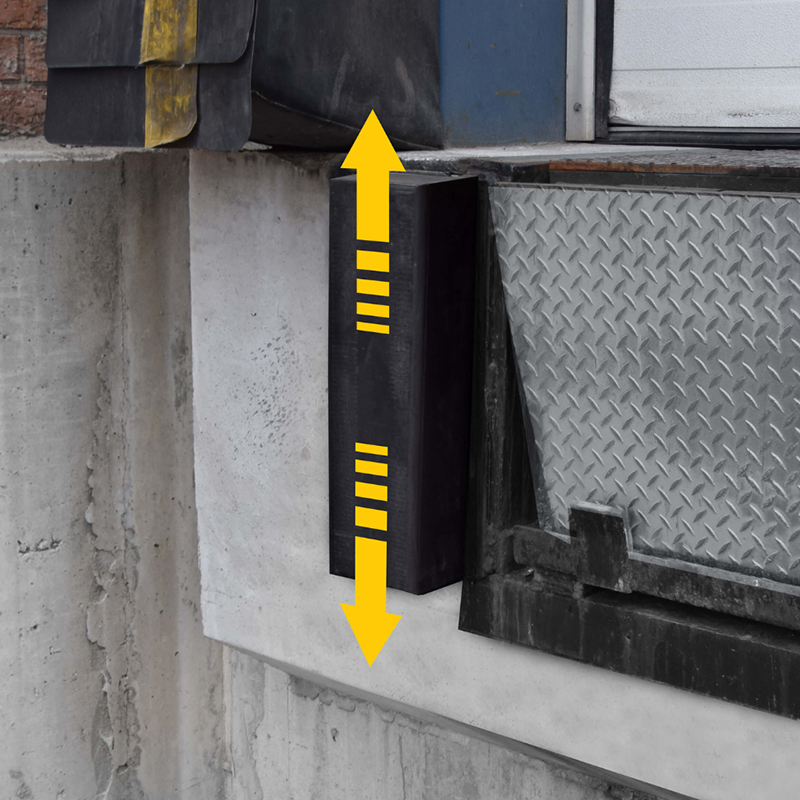 Are Your Dock Bumpers Specified for the Wrong Impact Profile? Why a Loading Dock Bumper with a Steel Face Outperforms in Real Traffic