
In the demanding world of industrial hydraulics, the Spiral Hydraulic Hose stands as the undisputed champion for ultra-high-pressure fluid transfer. Unlike standard braided hoses, this robust hose features a unique construction with multiple layers of high-tensile steel wire wound in a spiral pattern, offering unparalleled burst pressure resistance and durability. It is the go-to solution for heavy-duty applications where failure is not an option, ensuring the safe and efficient operation of critical machinery in mining, construction, and oil & gas industries.

What is a Spiral Hydraulic Hose?
A Spiral Hydraulic Hose is a high-performance rubber hose engineered to withstand extreme working pressures and harsh environmental conditions. Its core structure consists of three key components:
Inner Tube: Made from oil-resistant synthetic rubber (typically NBR or HNBR), it ensures compatibility with a wide range of hydraulic fluids, including petroleum-based oils, water-glycol, and emulsions, while resisting degradation.
Reinforcement Layer: This is the defining feature. Four or six layers of high-strength steel wire are spirally wound in alternating directions around the tube. This interlocked spiral design provides exceptional tensile strength and resistance to impulse fatigue, far exceeding the capabilities of braided wire constructions.
Outer Cover: A thick, abrasion-resistant rubber cover protects the wire reinforcement from external damage, moisture, chemicals, and weathering, ensuring long service life even in rugged outdoor or underground environments.
This construction allows spiral hoses to operate reliably within a broad temperature range, typically from -40°C to +100°C (with some grades up to 125°C), making them suitable for virtually any climate or operating condition.
Key Advantages of Spiral Hydraulic Hoses
The spiral wire design delivers a distinct set of benefits that are critical for heavy-industry applications:
Exceptional High-Pressure Performance: The primary advantage is its ability to handle extremely high working pressures, often exceeding 5,000 psi and reaching up to 6,000 psi or more in larger sizes. This makes it ideal for hydraulic cylinders, heavy presses, and mining equipment where system pressures are pushed to the limit.
Superior Impulse Fatigue Resistance: In applications with constant pressure spikes and pulsations, spiral hoses outperform braided hoses significantly. The spiral winding distributes stress more evenly, reducing the risk of wire fatigue and sudden failure, which is crucial for safety and equipment uptime.
Excellent Flexibility & Bend Radius: Despite their high-pressure rating, spiral hoses maintain a relatively good bend radius, allowing for easier routing around obstacles in complex machinery layouts compared to rigid piping alternatives.
Enhanced Safety & Reliability: With a high safety factor and robust construction, these hoses minimize the risk of catastrophic bursts, protecting both personnel and expensive equipment from high-pressure fluid injection hazards.
Long Service Life: The combination of a durable inner tube resistant to fluid permeation and a tough outer cover that resists abrasion and crushing translates to a longer operational lifespan, reducing replacement frequency and total cost of ownership.
Why Should You Choose a Spiral Hydraulic Hose?
Selecting the right hose is a critical decision for operational efficiency and safety. Here are the compelling reasons to specify a spiral hose:
For Ultra-High-Pressure Systems: If your hydraulic system operates at pressures above the practical limits of standard 1-wire or 2-wire braided hoses (SAE 100R1/R2), a spiral hose (SAE 100R12/R13/R15 or EN856 4SP/4SH) is the logical and necessary upgrade.
Demanding Pulse Applications: Equipment like hydraulic hammers, excavators, and drilling rigs subject hoses to constant shock loads. The spiral construction is specifically engineered to endure millions of pressure cycles without failure.
Harsh Operating Environments: In mining, quarrying, and construction sites where hoses are exposed to rough handling, sharp rocks, and potential crushing, the thick cover and strong spiral skeleton provide essential physical protection.
Large Diameter Requirements: For large ID hoses that still need to handle high flow and high pressure, the spiral design is often the only viable flexible option, as braided hoses may not offer sufficient strength in larger diameters.
Technical Specifications at a Glance
| Parameter | Typical Specification |
| Standard | SAE 100R12, R13, R15; EN856 (4SP, 4SH) |
| Working Pressure | Up to 6,000+ psi (dependent on size and standard) |
| Temperature Range | -40°C to +100°C (up to 125°C with special compounds) |
| Reinforcement | 4 or 6 layers of high-tensile spiral steel wire |
| Media | Hydraulic oil, water-glycol, lubricants, emulsions |
| Common Applications | Hydraulic excavators, mining machinery, oilfield equipment, stamping presses |
Conclusion
The Spiral Hydraulic Hose is an indispensable component for any high-pressure, high-cycle hydraulic system. Its robust spiral wire construction provides the strength and reliability needed to keep heavy machinery operating safely and efficiently. By choosing a spiral hose for demanding applications, you are investing in reduced downtime, enhanced safety, and long-term performance. Always ensure selection adheres to SAE/EN standards and is matched with the correct spiral-type hose ends for a secure, high-integrity assembly.
 How Much Load Can a Bridge Bearing Pad Actually Carry? Engineering Data for Safe Girder Support
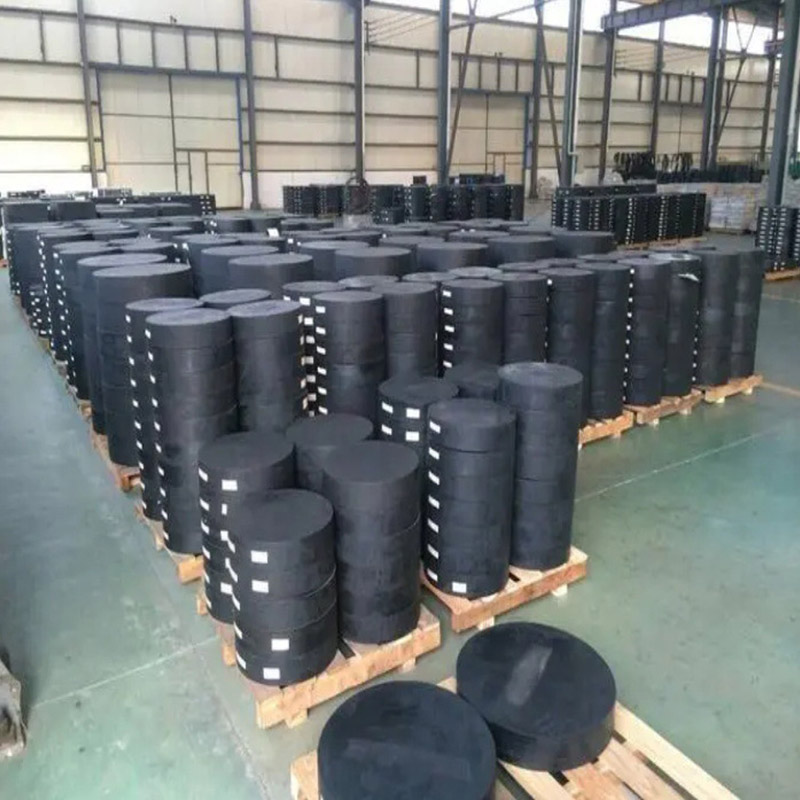 Is Your Bridge Bearing Pad Specified for the Wrong Rubber Grade? Why Elastomeric Bridge Bearing Pad Selection Decides 50-Year Deck Life
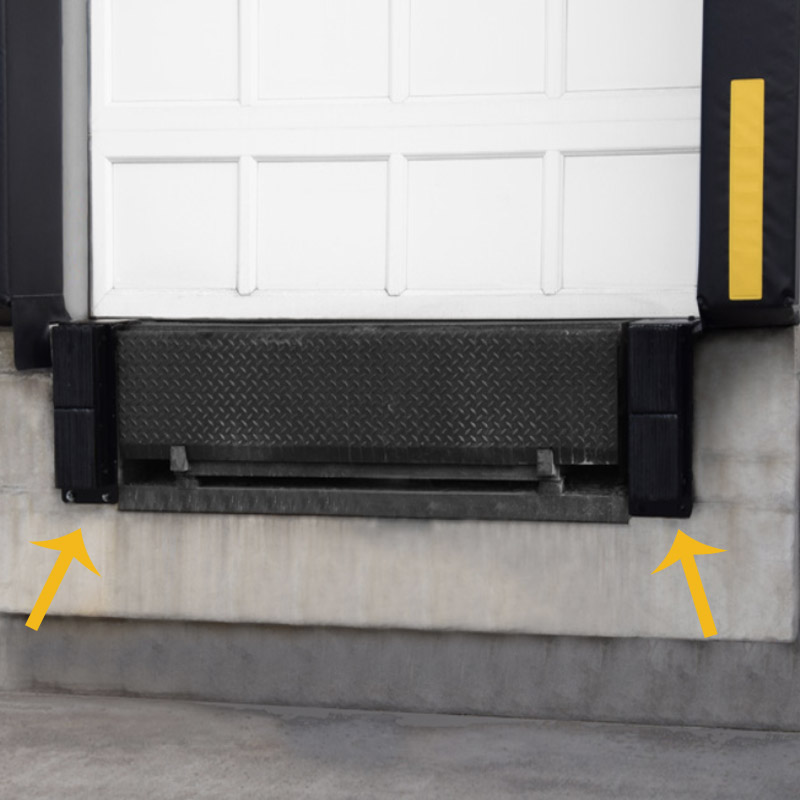 Can a Loading Dock Bumper Survive -30°C Winters and +50°C Summers? Here Is the Extreme-Weather Data
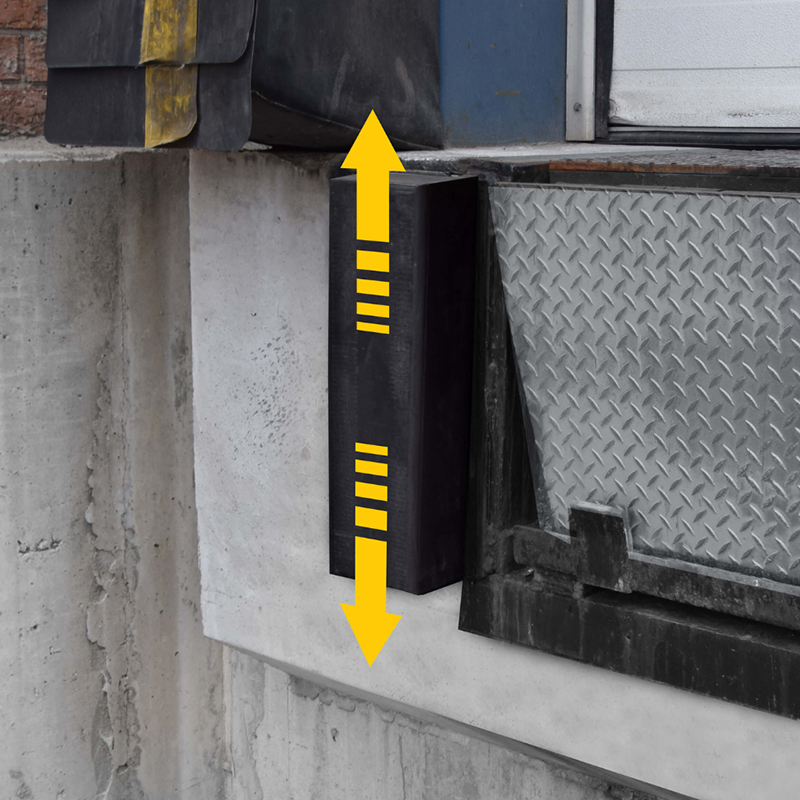 Are Your Dock Bumpers Specified for the Wrong Impact Profile? Why a Loading Dock Bumper with a Steel Face Outperforms in Real Traffic