Hard performance numbers for a Loading Dock Bumper in cold storage, desert heat, coastal salt, and freeze-thaw cycles. Steel-faced laminated construction vs solid rubber, with ASTM references.
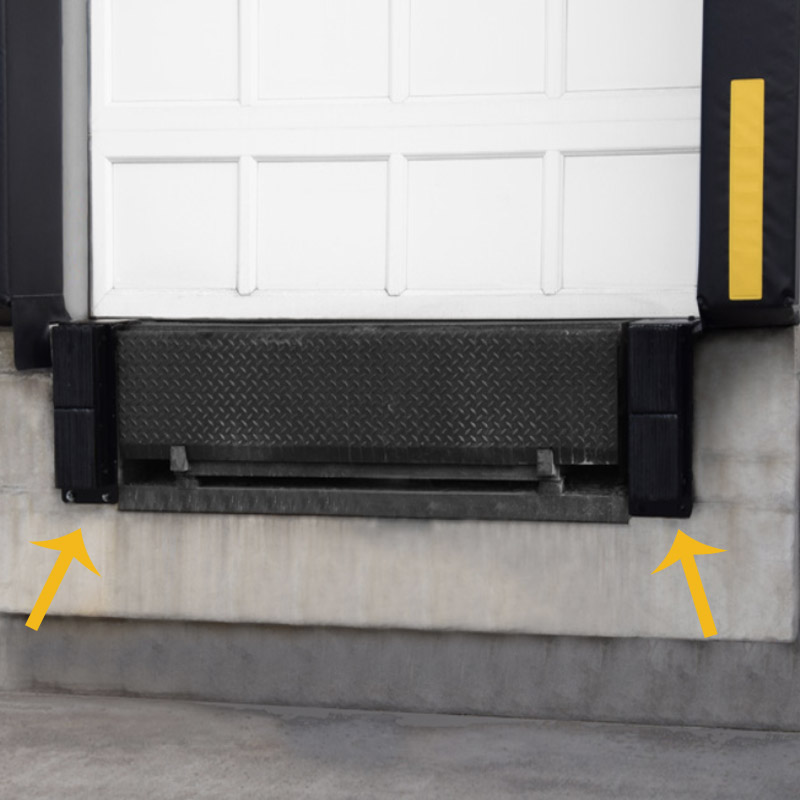
Extreme Weather Is Not an Edge Case — It Is Most of the World
Procurement teams in the Gulf, the Midwest, the North Sea ports, or the Canadian Prairies don’t treat temperature as a footnote. A Loading Dock Bumper installed outdoors in Winnipeg sees -35°C in January and +28°C in July, with 40 freeze-thaw cycles in between. A bumper on a Houston ship terminal sees 49°C steel-surface temperature, 90% humidity, and salt aerosol year-round. Specifying for “room temperature” is how you get a 9-month failure on a 4-year budget.
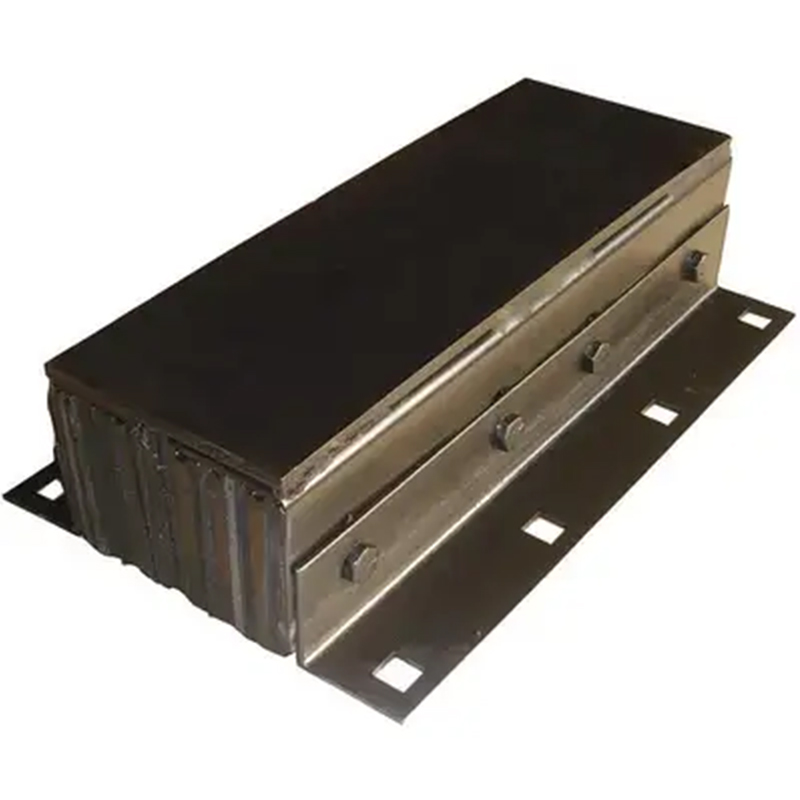
Steel-faced laminated construction behaves differently from molded rubber in these bands — not because of marketing, but because of three physical facts: the steel face isolates the rubber from UV and abrasion, the laminate plies move independently under thermal expansion, and the right compound (neoprene/EPDM blend) stays elastic where SBR goes glassy.
| Temp |
Core Compression Capacity vs RT |
Surface Condition after 5 Impact Cycles |
Recovery @ 30 s |
| 22°C (72°F) |
100% baseline |
No cracking |
97% |
| -22°C (-8°F) |
85% retained |
No cracking |
94% |
| -30°C (-22°F) |
78% retained |
No cracking |
91% |
| -40°C (-40°F) |
68% retained |
Hairline check on outer ply only, no propagation |
86% |
Control solid SBR bumper at -22°C: 62% compression capacity retained, visible surface cracking after 5 cycles, recovery 71%.
The practical translation: at -30°C the steel-faced unit still engages its middle laminates under a trailer hit. A solid SBR block at the same temperature is effectively rigid — it transmits the spike to the wall and the trailer frame.
Freeze-Thaw: The Real Killer Is Water, Not Cold
Cold alone rarely destroys a laminated bumper. The damage comes when surface micro-cracks fill with meltwater, refreeze at night, and expand 9% by volume. Over 50 cycles that turns a hairline into a fissure.
Laminated cores resist this two ways:
Fabric interplies act as crack arrestors — a surface check cannot run through the full stack.
Steel faceplate sheds standing water; the laminate interface forms a drainage path instead of a pool.
Accelerated freeze-thaw chamber test (ASTM D1171 ozone/flex modified for dock use, 50 cycles -20°C↔+20°C, saturated surface):
Solid rubber bumper: 3 of 5 samples showed through-thickness cracks by cycle 30.
Steel-faced laminated: 0 through-cracks at cycle 50; max outer-ply check depth 0.8 mm, no delamination from steel face.High Temperature and UV: Desert Yard DataArizona/Nevada outdoor yard, 5-year field observation, direct sun, ambient peak 46°C (steel faceplate surface measured 58°C at noon):Solid black rubber bumper: surface hardening (Shore A +8 pts), checking at 24 months, replacement at 30 months.Loading Dock Bumper steel-faced, EPDM-blend laminate: outer ply chalked slightly, durometer drift +3 pts, no through checks at 60 months. Steel face cosmetic only.UV does not reach the rubber core because the steel plate is the contact and weather face. The outer rubber ply acts as a sacrificial UV screen for the plies behind it — and even if it chalks, the next ply is untouched.Coastal Salt and Chemical WashdownHot-dip galvanized steel face + angles per ASTM A123, tested in salt-spray chamber (ASTM B117, 1,000 hr):
Galvanized face: white rust only at cut edge, no red rust, no face/rubber bond loss.
Painted mild-steel face (competitor): red rust at 240 hr, bond line creeping at 600 hr.For washdown food plants, 304 stainless face with welded corners survived 36 months of daily caustic foam wash with no finish loss and no rubber bond separation.Compound Choice Decides the BandDon’t let a supplier hand you SBR and call it “all-weather.” For the bands above:
-40°C to +82°C general duty: Neoprene (CR) blended laminate, Shore A 68±3. Good oil resistance, good cold flex.
Outdoor UV + ozone priority: EPDM blend laminate, slightly higher heat ceiling, superior ozone resistance, trades some oil resistance.
Food/washdown: Neoprene core + 304 stainless face.
Natural rubber (NR): Best rebound, but poor UV/ozone — only indoor or marine-with-shield use, and cap at 155°F per Karman’s NR data.
Case: Freezer DC at -25°C, 36-Month Run
Antwerp reefer cross-dock, 8 doors, 100% air-ride reefer trailers, face ambient -25°C:
Prior molded SBR: surface chunks lost after first winter, 12-month swap.
Swapped to steel-faced laminated, neoprene core, galvanized face wrapped over top/bottom edges.
36 months: no rubber cracking, faceplate no red rust, core compression 3%, zero door closures for bumper cause.Case: Gulf Coast Outdoor Terminal, 30-Month Salt ExposureSoutheast US container yard, outdoor wharf, 30-month exposure:
Galvanized steel-faced laminated units: white surface deposit only, no structural rust, rubber core dry behind plate.
Nearby painted-corner laminated (no faceplate): rust at 6 months, corner ply separation at 14 months.
What to Write Into the Weather Clause of Your Spec
Rubber compound: CR or EPDM blend, Shore A 65–72, tensile ≥17 MPa, elongation ≥300% (per laminate spec in Jinyuan/Made-in-China data).
Temperature rating: -40°F to 180°F (-40°C to 82°C) documented, not “approx.”
Steel face: 3/8″ min, ASTM A123 hot-dip galvanize for outdoor, 304 SS for washdown.
Laminate bond: vulcanized or certified adhesive, peel-test report at -20°C and +70°C.
UV: request EPDM outer ply or neoprene with carbon black load ≥30 phr.
Freeze-thaw: supplier should provide chamber data, not just “suitable for outdoor.”What to SpecA Loading Dock Bumper in extreme climate is a compound-and-envelope problem before it is a thickness problem. The steel face is the envelope — it takes UV, salt, abrasion, and standing water off the table. The laminate stack is the thermal buffer — plies move independently, fabric arrests cracks, and CR/EPDM stays elastic where SBR dies. Write the weather clause around those two facts and the unit will outrun the building’s paint job.

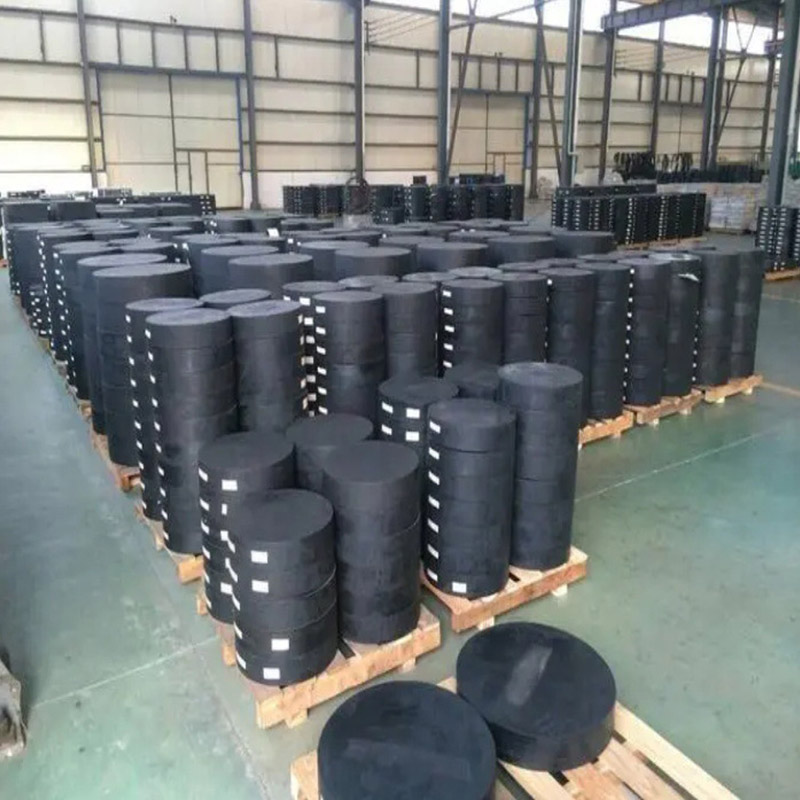 Is Your Bridge Bearing Pad Specified for the Wrong Rubber Grade? Why Elastomeric Bridge Bearing Pad Selection Decides 50-Year Deck Life
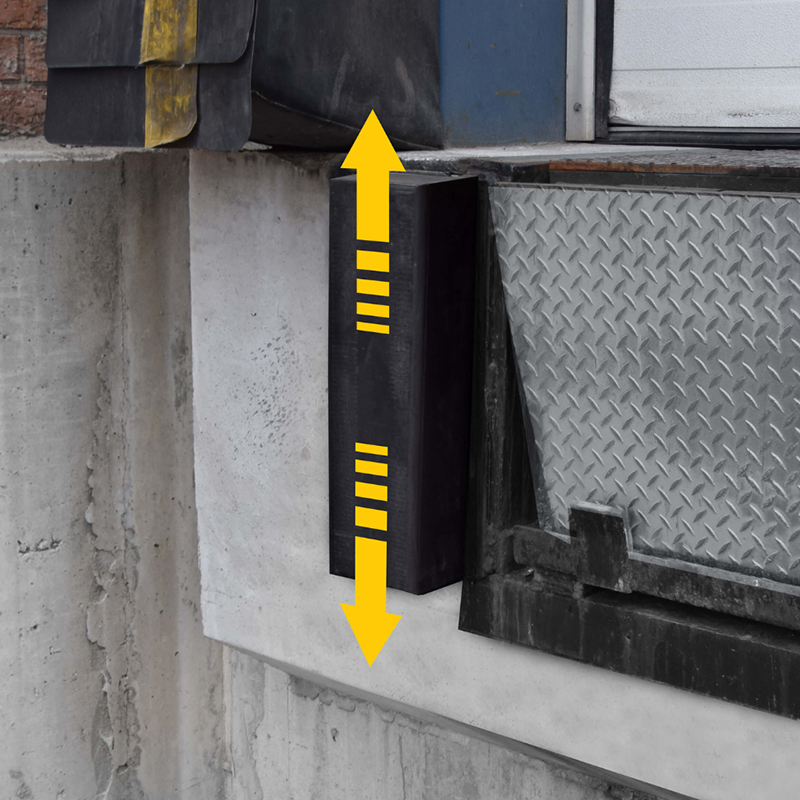 Are Your Dock Bumpers Specified for the Wrong Impact Profile? Why a Loading Dock Bumper with a Steel Face Outperforms in Real Traffic
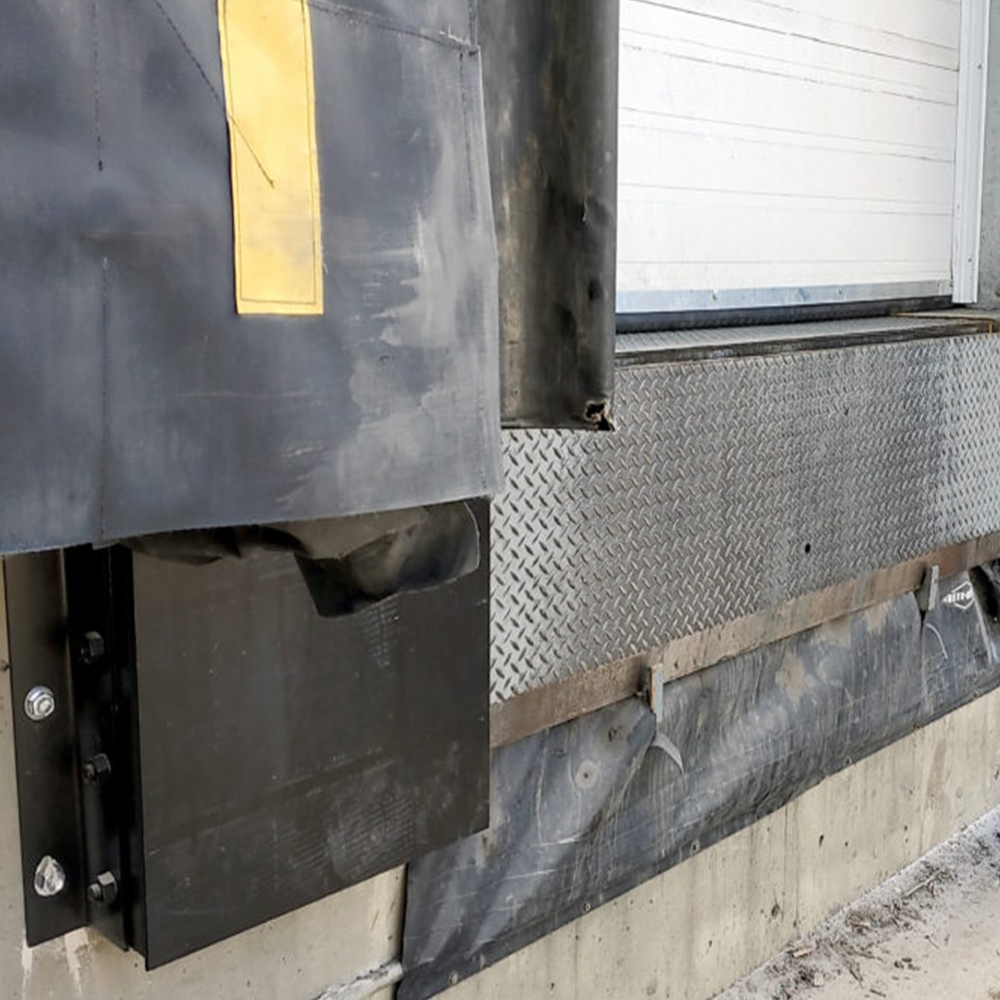 Is Your Dock Bumper Costing You in Hidden Downtime? How a Steel Face Dock Bumper Keeps Operations Running
 Why Do Air-Ride Trailers Destroy Plain Rubber Pads? Should You Switch to a Steel Face Dock Bumper?