Engineered guidance for specifying a Loading Dock Bumper: steel-faced laminated construction, ASTM-grade rubber specs, and field data from air-ride and high-cycle docks. Written for procurement and plant engineers.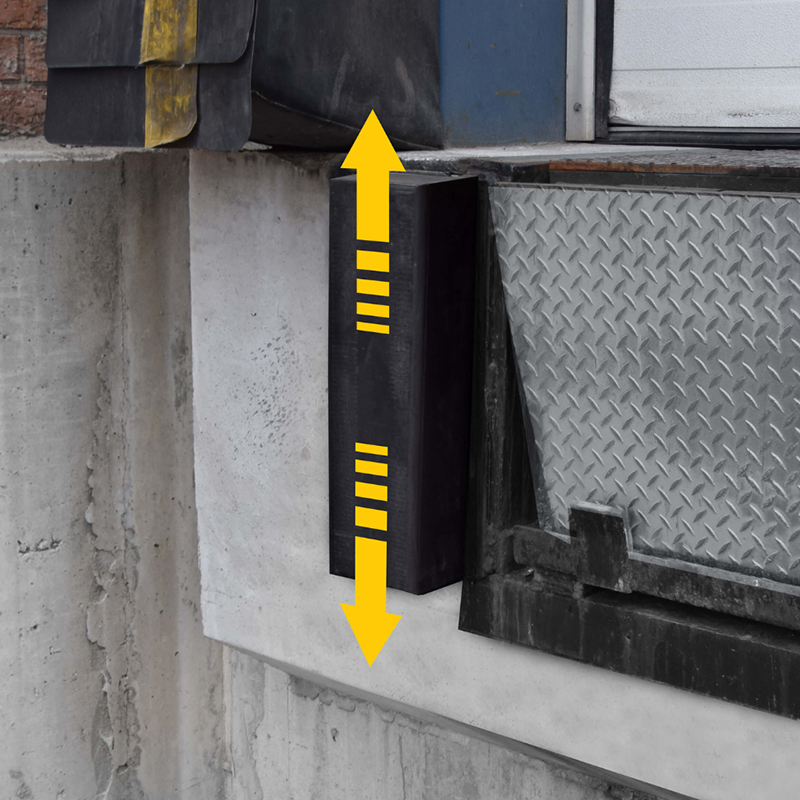 The Specification Gap Most Buyers Don’t Catch
Most RFQs for a Loading Dock Bumper still read like a 1990s bill of materials: “rubber bumper, 6×12×24, galvanized angles.” That description tells you nothing about how the unit behaves under a 36,000 kg trailer backing at 4 cm/s while the air bags pump up and down 3 inches during load-out. In real docks, the failure mode is rarely pure compression. It is compression plus scrubbing plus asymmetric corner loading plus freeze-thaw plus salt.
If you source bumpers on thickness and price alone, you will replace them on a 9-month cycle. If you spec them on energy path and contact mechanics, you install once and forget them for four years.
What “Steel Face” Actually Changes in the Load Path
A conventional laminated dock bumper uses fabric-reinforced rubber pads (typically cut from reclaimed truck tires, bonded under ~1,500 psi clamp pressure between steel angles) to give progressive compression. That works well for leaf-spring trailers at moderate cycle counts.
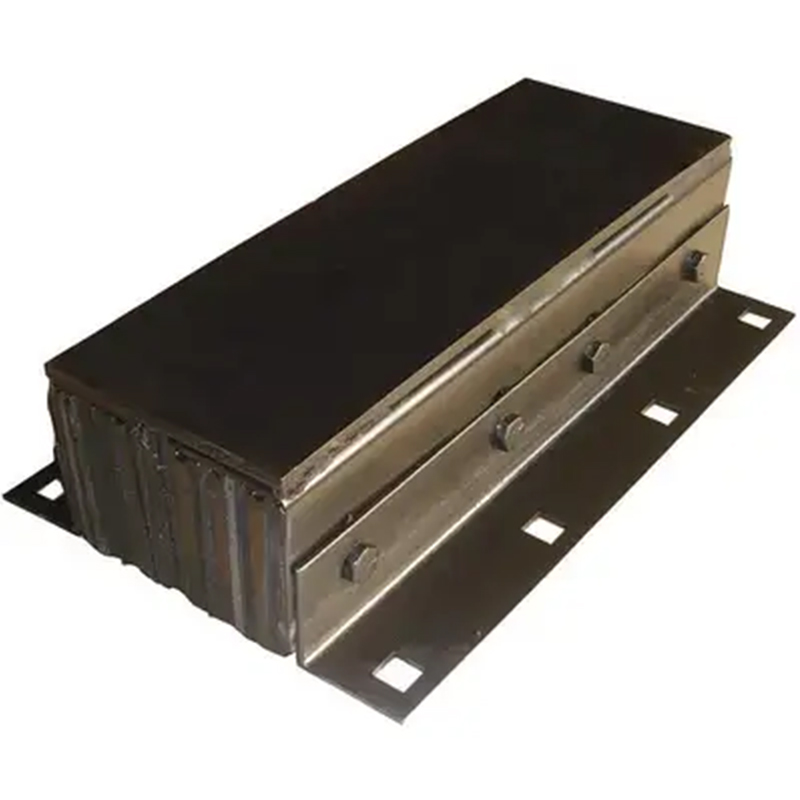
The moment you introduce air-ride equipment, yard jockeys, or continuous leveler traffic, the trailer skin rides vertically on the bumper face. Plain rubber loses 3–5 mm/year to that friction alone. A Loading Dock Bumper with a 3/8″ floating high-carbon steel faceplate converts that sliding contact into steel-on-painted-steel, which is a cosmetic wear problem, not a structural one. The laminated core behind the plate still does the shock work; the plate just protects the shock absorber from sanding itself to death.
Reputable manufacturers (Durable Corp, Ideal Warehouse, Rite-Hite) build the steel face with elongated slots so the plate “floats” — it does not bridge the compression, it rides with the rubber face and takes the abrasion. That detail matters more than the steel thickness itself.Rubber Specs That Correlate with Field LifeWhen you request a quote, the rubber compound and laminate geometry decide 80% of the outcome. Concrete numbers to put in the spec:Durometer: Shore A 65–72. Below 60, the bumper walks outward under sustained load. Above 75, you lose impact recovery and start transmitting peak force to the wall.Laminate count: ≥ 10 plies per inch of thickness. This is what gives the progressive stiffness curve — outer plies take light forklift taps, inner plies engage on full trailer impact.Tensile and recovery: Molded prime rubber used in molded bumpers typically runs ~8.3 N/mm² tensile, ~98% impact recovery (ASTM D792/D412). Laminated pads from truck tires trade some tensile for economy but gain in compression set resistance if properly cured.Bond method: Rods through the stack (¾″ tie rods are standard in North American laminated bumpers) beat adhesive-only bonding for cyclic shear.Steel finish: Hot-dip galvanized to ASTM A123 for outdoor/coastal; powder coat is fine indoors but not on a faceplate exposed to trailer scrape.
Note: ASTM D6228 is sometimes cited for dock bumper impact energy — but D6228 in current ASTM indexing actually covers sulfur compounds in natural gas; dock bumper impact testing historically referenced D6228-10 legacy drafts and is now more commonly handled by manufacturer-specific dynamic drop tests and static deflection curves. Don’t let a supplier wave a “D6228 compliant” stamp without showing the actual force-deflection chart.Field Data: Where Steel-Faced Units Change the MathA frozen-food DC in Antwerp (reefer + air-ride, 60 moves/door/day, -25 °C ambient at face):
Prior molded rubber: cracked surface at 14 months, replaced on 12-month SOP.
Switched to 6″ steel-faced laminated, neoprene-blended laminate, galvanized faceplate wrapped over top/bottom edges.
At 28-month inspection: max rubber compression 3%, no face rust, no delamination, zero door closures for bumper cause. BRCGS audit closed with no dock-equipment findings.
A 3PL cross-dock in Texas (110 trailer moves/day, 60% air-ride):
Plain laminated: exposed fabric ply at contact band at 9 months.
Steel-faced swap: 30-month check showed steel scoring only, rubber core <3% set, leveler lip gap held within ¼″ across all 14 doors. Maintenance lead’s note: “stopped scheduling those doors.”The pattern is consistent: in air-ride or yard-jockey traffic, steel-faced Loading Dock Bumper units run 3×–4× the service interval of plain laminated, and 5×–6× vs molded.Sizing the Bumper to the Trailer Contact ZoneGeneric “6×12×24” sizing fails when the trailer bed height spread is wide. Measure the actual contact band:
Standard trailer rear-frame contact sits 28″–48″ above dock floor depending on suspension and load.
Bumper face height should overlap that band by at least 4″ top and bottom.
Projection (4″ vs 6″) is dictated by dock pit depth and leveler curb, not by “what the old one was.”
If the approach is angled >5°, specify steel angle wrap on the exposed vertical edge — not just a faceplate.Mounting Details That Decide Whether the Spec HoldsThe bumper is only as good as its anchor. For concrete: ¾″ wedge anchors, 2.5″ embedment minimum, through ¼″ steel angles on both sides of the laminate stack. For steel-bent dock curbs: continuous weld to backing plate, not tack welds. Torque-check at 6 months, then annually — thermal cycling walks bolts even on good installs.Procurement Shortlist for Export Buyers
Ask for the force-deflection curve, not just “absorbs up to 70%” marketing copy.
Require laminate count, durometer, rod diameter, and faceplate thickness in the quote — if the supplier can’t state them, they’re reselling a generic block.
Request a sample cross-section photo showing rod bond and steel-face float slots.
Match faceplate finish to environment: galvanized for outdoor, 304 stainless for washdown/food.
Confirm the warranty covers delamination and faceplate separation, not just “defects in material.”
Bottom Line
A Loading Dock Bumper is not a rubber block. It is a tuned energy-path component: the steel face manages friction, the laminate stack manages shock, the angles manage anchorage. Spec it on those three functions and the replacement line item disappears from your maintenance budget. Spec it on inches and price, and you will keep buying it twice a year.

 The Specification Gap Most Buyers Don’t Catch
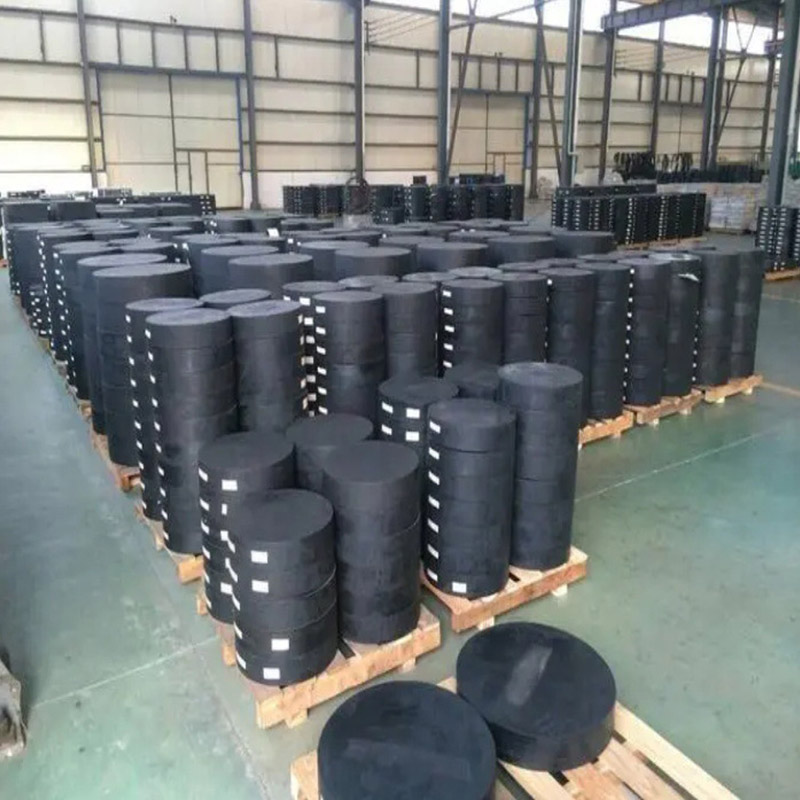 Is Your Bridge Bearing Pad Specified for the Wrong Rubber Grade? Why Elastomeric Bridge Bearing Pad Selection Decides 50-Year Deck Life
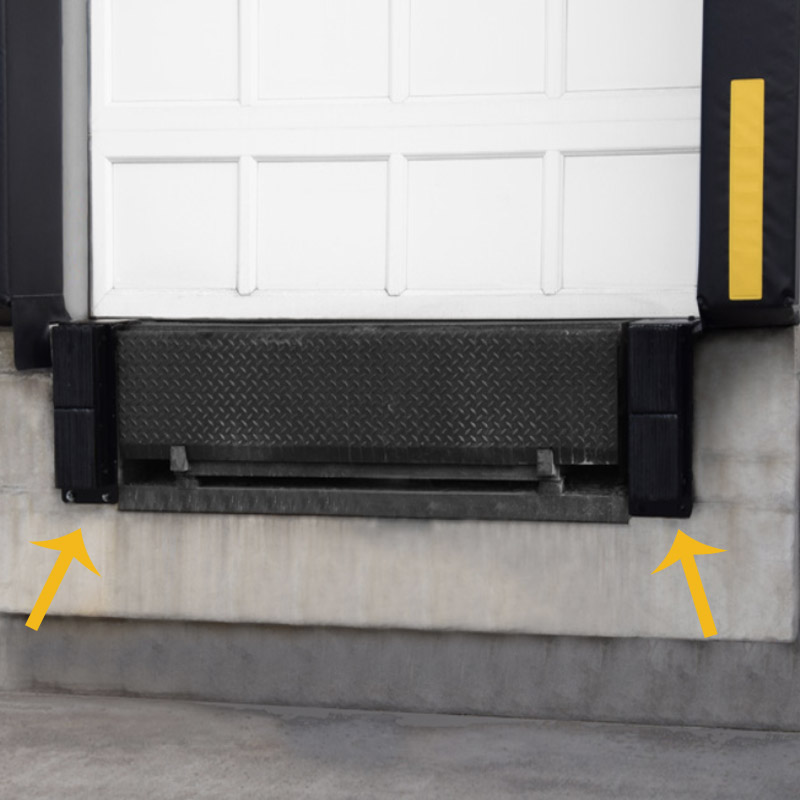 Can a Loading Dock Bumper Survive -30°C Winters and +50°C Summers? Here Is the Extreme-Weather Data
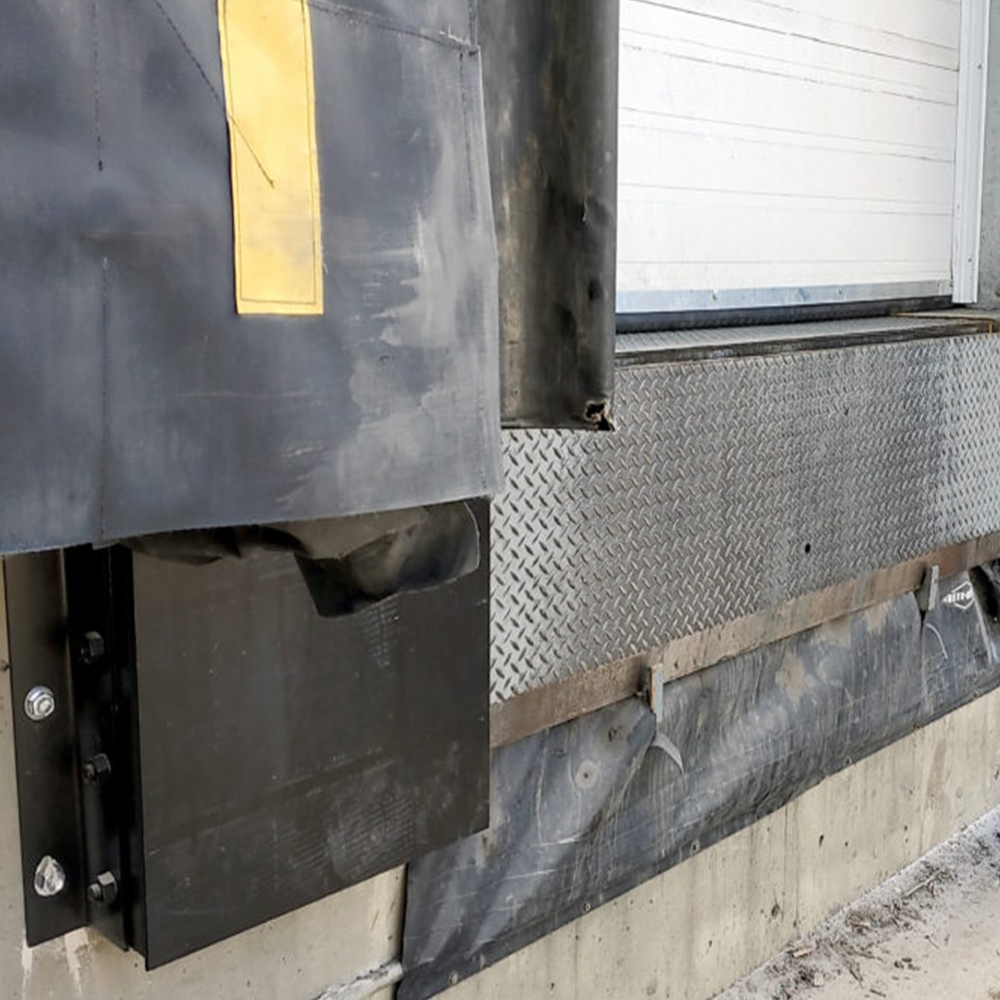 Is Your Dock Bumper Costing You in Hidden Downtime? How a Steel Face Dock Bumper Keeps Operations Running
 Why Do Air-Ride Trailers Destroy Plain Rubber Pads? Should You Switch to a Steel Face Dock Bumper?