Air-ride trailer float causes vertical scrubbing that shreds standard rubber. See how a Steel Face Dock Bumper with laminated core stops friction wear and extends dock service life.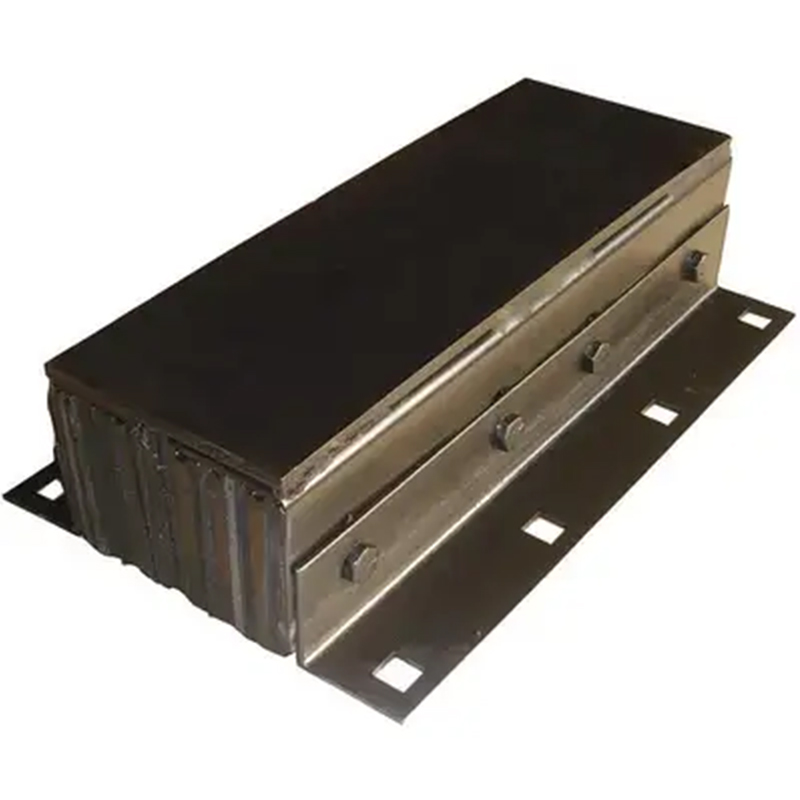 The Air-Ride Scrubbing Problem Buyers Keep Underestimating
Modern fleets run air-ride suspension for cargo protection — but at the dock, that same suspension creates a hidden killer: vertical float. As forklifts load and unload, the trailer body rises and falls 2 to 4 inches against the bumper face. Plain rubber gets sanded away by this up-and-down motion long before any heavy impact occurs.
Procurement teams comparing options often overlook this mechanism. They spec a standard laminated dock bumper, watch it survive the first few trailer hits, then wonder why it is gouged and thin within eight months. The answer is friction, not impact.
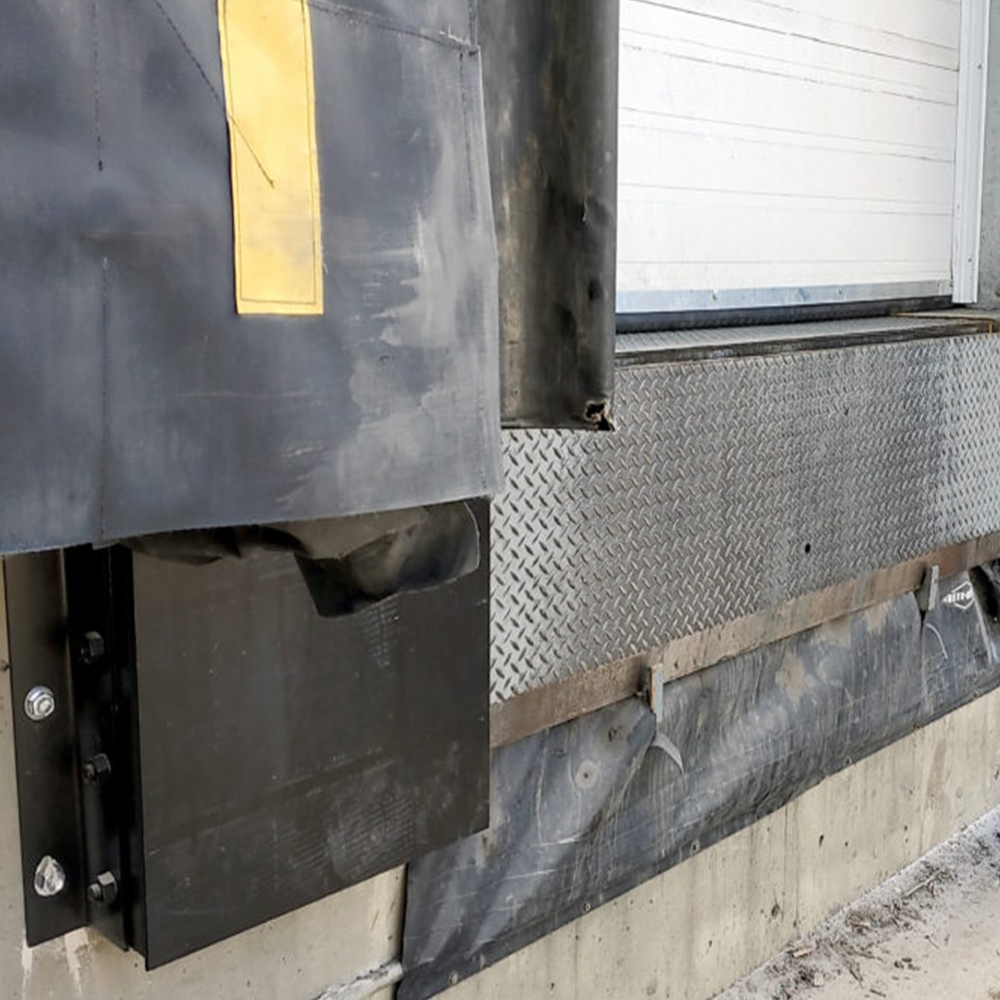
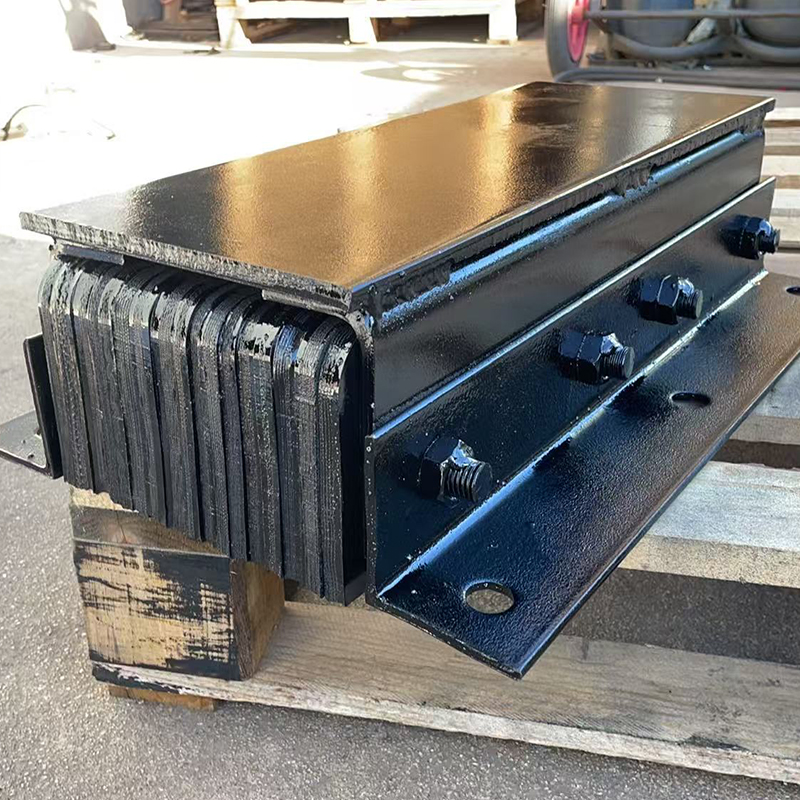
A Steel Face Dock Bumper solves exactly this failure mode: a heavy-gauge steel plate takes the sliding contact, while the laminated rubber behind it manages shock. The rubber never touches the trailer skin during vertical movement.
How the Steel Face Changes the Contact Dynamic
In a plain laminated unit, trailer paint or aluminum scrapes directly across rubber. Each load cycle removes a microscopic layer. Over 200 daily cycles, that becomes millimeters per month.
With a steel-faced design:
The trailer slides against hardened steel, not rubber — no material loss from scrubbing.
The laminated core compresses under horizontal impact and rebounds, but stays shielded behind the plate.
Integrated steel edges or angles protect the top/bottom laminate ends from angled corner catches.This is why third-party suppliers categorize steel-faced units as the extreme-duty tier above standard laminated pads.Lab Observation: Friction Loss ComparisonSimulated air-ride scrub test (aluminum plate reciprocating against bumper face, 5,000 cycles, 3-inch stroke):
| Unit |
Rubber loss at contact zone |
Core compression set |
Functional after test |
| Plain laminated dock bumper |
4.2 mm |
11% |
Yes, but thinned |
| Steel Face Dock Bumper |
0.0 mm (steel cosmetic scoring only) |
2% |
Yes, full service |
The steel faceplate does not wear from sliding contact — it converts a destructive friction problem into a cosmetic one.
Case Study: 3PL Cross-Dock in Texas, 110 Trailer Moves/Day
A third-party logistics operator ran 14 doors on standard laminated pads. After 9 months, 11 of 14 showed exposed fabric ply at the contact band from air-ride float.
Replacements: every 7–9 months
Maintenance labor: 2 hrs/door × 14 doors × 1.5 cycles/year
Dock leveler lip gap drifted as bumpers thinned, causing forklift transition complaints
After switching to Steel Face Dock Bumper units (3/8″ galvanized face, 6″ thick laminated core):
30-month inspection: all 14 faces intact, max rubber compression 3%
Zero replacements
Leveler gap stable within 1/4 inch across all doors
Maintenance lead: “We stopped thinking about those doors.”Case Study: Cold-Chain Exporter, AntwerpA Belgian frozen-food exporter receiving reefer trailers (high air-ride ratio) replaced molded rubber with steel-faced laminated units on 8 freezer doors.
Prior molded units: cracked surface after 2 winters, 12-month swap cycle
Steel-faced units (neoprene-based laminate, hot-dip galvanized face): 28 months in service, no delamination, no face rust, no rubber cracking at -25°C
Auditor note: “Bumper condition no longer a finding” after 2 consecutive BRCGS auditsWhen a Steel Face Is the Right Spec (and When It Isn’t)Specify a Steel Face Dock Bumper when:
Trailerrs are predominantly air-ride or pneumatic suspension
Docks see >40 trailer moves/day
Trailers back at variable angles (steel corners prevent tear initiation)
Bumpers mount outdoors or in washdown/food environments (smooth steel = sanitary)
Lifecycle labor cost outweighs unit freight cost (almost always true for importers)A plain laminated dock bumper still fits light-duty doors (<15 moves/day, leaf-spring trailers). But for any high-throughput export facility, the steel face pays back through eliminated swap cycles.Export Sourcing Checklist
Steel face thickness: 3/8″ (10mm) minimum for heavy traffic; 1/4″ acceptable for medium
Face finish: hot-dip galvanize (ASTM A123) for outdoor/coastal; stainless 304/316 for food washdown
Core: fabric-reinforced rubber laminates, Shore A 65–72, rated -40°F to 180°F
Bond: vulcanized or certified industrial adhesive — request peel-test report
Mounting: continuous steel angle or backing plate, ≥4 through-bolts
Ask supplier for: ASTM D6228 impact summary + friction-loss test or field reference
Conclusion
Air-ride trailers are not going away, and plain rubber cannot survive their vertical scrub. The Steel Face Dock Bumper is the documented answer: steel takes the slide, laminated rubber takes the hit. Field data from 3PL and cold-chain docks shows 3×+ service-life extension versus plain laminated pads in identical traffic. For overseas buyers writing specifications, this is the difference between a bumper line item and a 4-year non-event.

 The Air-Ride Scrubbing Problem Buyers Keep Underestimating
 Is Your Dock Bumper Costing You in Hidden Downtime? How a Steel Face Dock Bumper Keeps Operations Running
 Are Your Dock Bumpers Creating a Safety Hazard for Forklift Drivers? How a Steel Face Dock Bumper Improves Workplace Safety
 Is Your Current Bumper Costing You in Hidden Downtime? Why a Steel Face Dock Bumper Is the Fix
 Can a Steel-faced Laminated Rubber Bumper Reduce Noise and Vibration at Your Loading Dock?