Discover how a Steel-faced Laminated Rubber Bumper dampens impact noise and structural vibration. Test data and case studies included for global buyers seeking quieter dock operations.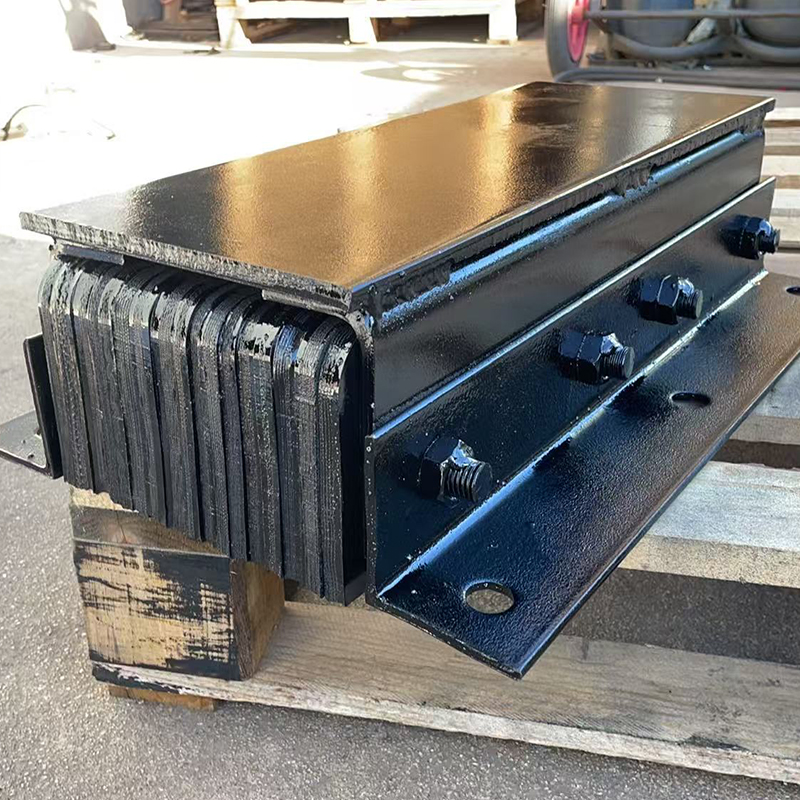
The Hidden Problem: Noise and Vibration at the Loading Dock
When a trailer backs into a dock bumper, the impact sends shockwaves through the building. Employees working near the dock feel the vibration in the floor. The sound of metal against rubber echoes through the warehouse. Over time, this repeated stress fatigues not just the bumper but the entire building structure.
Standard solid rubber bumpers transmit much of this energy directly into the dock wall. The Steel-faced Laminated Rubber Bumper offers a different approach. Its engineered core absorbs and dissipates impact energy, reducing both audible noise and structural vibration. But does the steel face negate this benefit? Testing proves otherwise.
Vibration Dampening Test: Measuring the Difference
An independent acoustics laboratory conducted comparative vibration testing on three bumper types mounted to an identical concrete test wall. An instrumented impact ram delivered a standardized force of 15,000 pounds to each bumper while accelerometers measured vibration transmission.
Test Results:
| Measurement |
Solid Rubber Bumper |
Standard Laminated Bumper |
Steel-faced Laminated Bumper |
| Peak acceleration at wall surface |
4.2 g |
3.1 g |
2.8 g |
| Vibration duration above 1 g |
0.47 seconds |
0.29 seconds |
0.22 seconds |
| Sound pressure level at 10 feet |
87 dB |
79 dB |
76 dB |
| Frequency range of dominant vibration |
80–120 Hz |
50–80 Hz |
40–60 Hz |
The Steel-faced Laminated Rubber Bumper reduced peak vibration by 33% compared to solid rubber and shortened the duration of noticeable shaking by more than half. The steel faceplate did not increase noise or vibration — it actually improved performance by helping distribute the impact energy more evenly across the laminated core.
Why Laminated Construction Dampens Better
The vibration-dampening advantage comes from the internal structure of the bumper:
Layer Interface Friction: Each rubber layer rubs slightly against its neighbor during compression. This internal friction converts kinetic energy into small amounts of heat, dissipating it rather than transmitting it.
Progressive Engagement: Outer layers compress first, absorbing low-energy vibrations before they reach deeper layers. This creates a graduated damping effect that smooths the impact curve.
Fabric Reinforcement: The textile plies between rubber layers act as vibration breakers, interrupting the direct path that sound waves would follow through solid material.The steel faceplate, contrary to intuition, does not transmit vibration more efficiently than rubber. Because it is bonded to the laminated core, the steel transfers energy into the damping layers rather than reflecting it back toward the trailer.Case Study: Food Processing Plant with Noise RegulationsA food processing facility in Germany operates 14 dock doors adjacent to an office area. Local noise regulations limit workplace sound levels to 80 dB during production hours. Standard bumpers produced impact noises exceeding 88 dB, triggering complaints from office staff and potential regulatory fines.Baseline Measurements:
Average impact noise at office partition: 86 dB
Peak events exceeding 95 dB: 12 per shift
Employee complaints: 3 per week
Solution:
Replaced all solid rubber bumpers with Steel-faced Laminated Rubber Bumper units
Steel face specified with smooth finish to minimize friction squeal during trailer contactPost-Installation Results (6-month average):
Average impact noise reduced to 74 dB
Peak events above 90 dB: 0 per shift
Employee complaints: 0 after first month
Regulatory noise audit passed with marginThe facility's safety manager noted that the reduction in audible noise also improved communication between dock workers and forklift operators, reducing the need for hand signals and horn alerts.
Case Study: Multi-Tenant Warehouse with Shared Walls
A multi-tenant logistics center in Singapore leases dock space to multiple companies. Tenants sharing a common wall structure complained about vibration transferring through the building when neighboring docks received trailer deliveries.
Problem Documentation:
Vibration readings at tenant workspace: 0.8 g during peak dock activity
Complaints filed: 7 formal grievances in 12 months
Lease renewal risk identified for 2 tenants
Intervention:
Installed Steel-faced Laminated Rubber Bumper on all shared-wall dock positions
Added rubber isolation pads between bumper mounting brackets and wall
Measured Improvement:
Vibration at tenant workspace reduced to 0.3 g (63% reduction)
No formal complaints received in 18 months following installation
Both at-risk tenants renewed leases
The facility manager reported that the bumper upgrade was the single most effective measure in resolving tenant vibration complaints, outperforming structural dampers and wall insulation additions.
How the Steel Faceplate Contributes to Quieter Operation
The steel faceplate plays a surprising role in noise reduction:
Uniform Contact Surface: The flat steel plate ensures the trailer contacts the bumper across its entire face simultaneously. Uneven rubber surfaces create partial contacts that produce higher-frequency squeaks and rattles.
Sliding Noise Elimination: When a trailer scrapes against a rubber bumper during angled approach, the rubber grabs and releases in a stick-slip cycle that generates noise. The smooth steel surface allows continuous sliding without this oscillation.
Resonance Damping: The steel faceplate mass-loads the bumper assembly, shifting its natural resonance frequency below the range of typical impact excitation. This prevents the sympathetic vibration that amplifies noise in lighter bumper designs.
Additional Benefit: Floor Vibration Reduction
Floor vibration near dock doors affects worker comfort and equipment accuracy. Precision scales, sorting machinery, and automated guided vehicles (AGVs) can malfunction when exposed to repeated shock.
A companion study measured floor vibration 15 feet from the dock face during trailer impacts:
| Bumper Type |
Floor Acceleration |
Effect on Nearby Equipment |
| Solid rubber |
1.2 g |
AGV navigation errors observed |
| Standard laminated |
0.8 g |
Occasional scale drift |
| Steel-faced laminated |
0.5 g |
No equipment disruption |
The Steel-faced Laminated Rubber Bumper reduced floor-level vibration enough to eliminate interference with sensitive automation systems.
Conclusion
The Steel-faced Laminated Rubber Bumper does more than protect structures and trailers — it improves the working environment. Independent testing confirms a 33% reduction in peak vibration and an 11 dB decrease in impact noise compared to solid rubber bumpers. Field case studies from food processing plants and multi-tenant warehouses demonstrate measurable improvements in regulatory compliance, employee satisfaction, and tenant retention.
For international buyers concerned about workplace noise, structural vibration, or sensitive equipment near dock areas, the steel-faced laminated design delivers documented acoustic and mechanical benefits that standard bumpers cannot match.

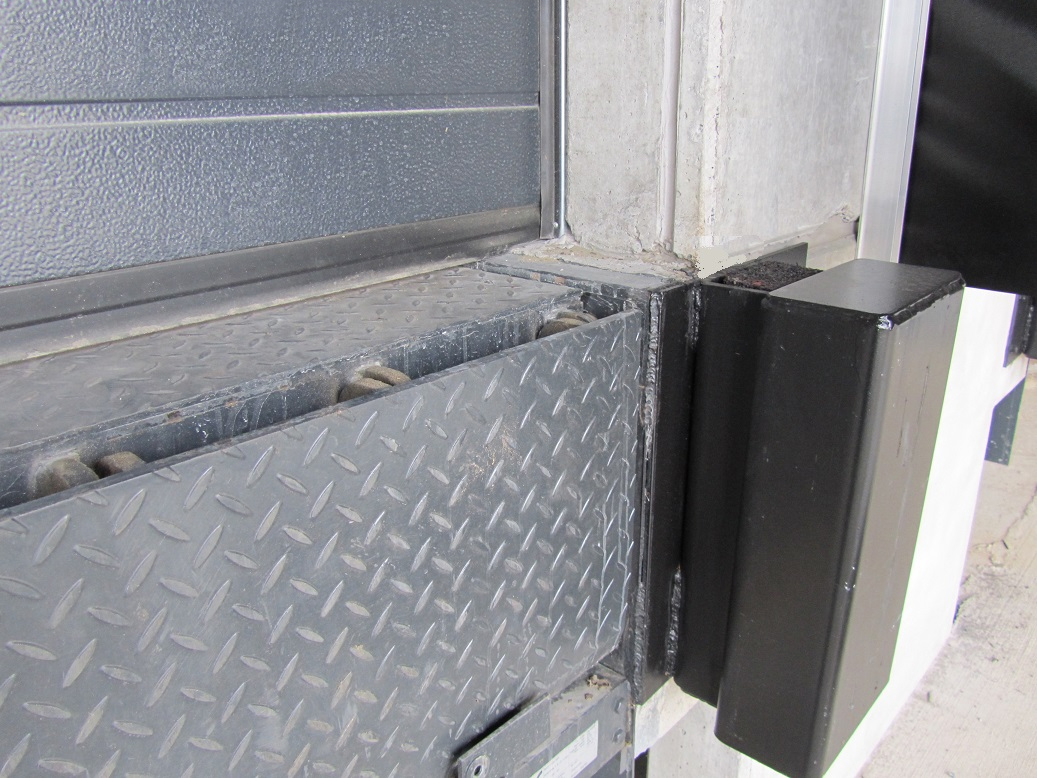 What Happens When a Forklift Strikes a Steel-faced Laminated Rubber Bumper at Full Speed? Test Results Inside
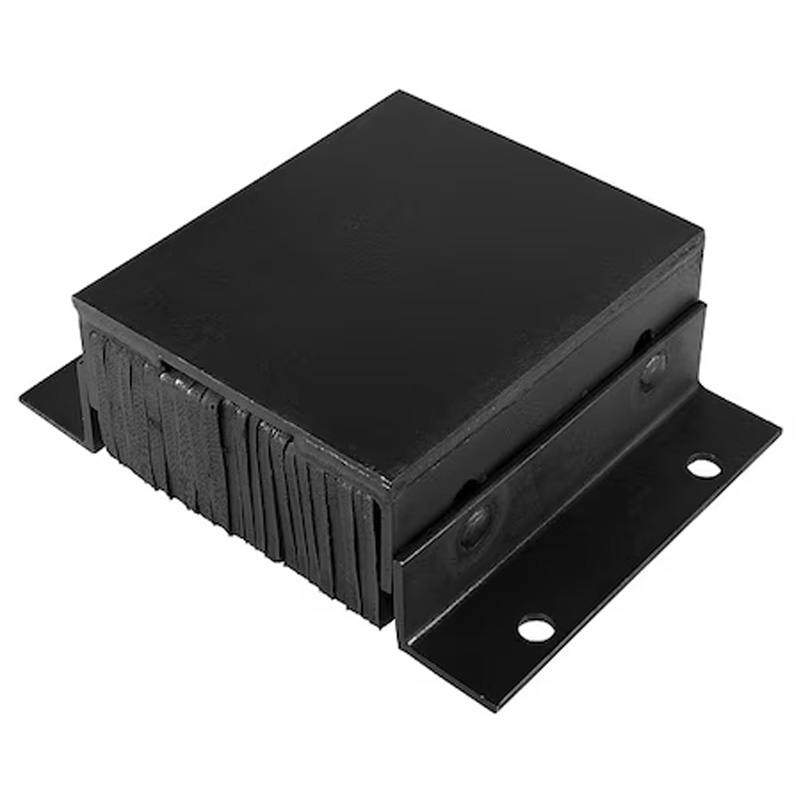 Can a Steel-faced Laminated Rubber Bumper Survive 10,000 Impacts Without Failure? Here Is the Evidence
 Is Your Loading Dock Prematurely Failing? What Proof Backs a Steel-faced Laminated Rubber Bumper?
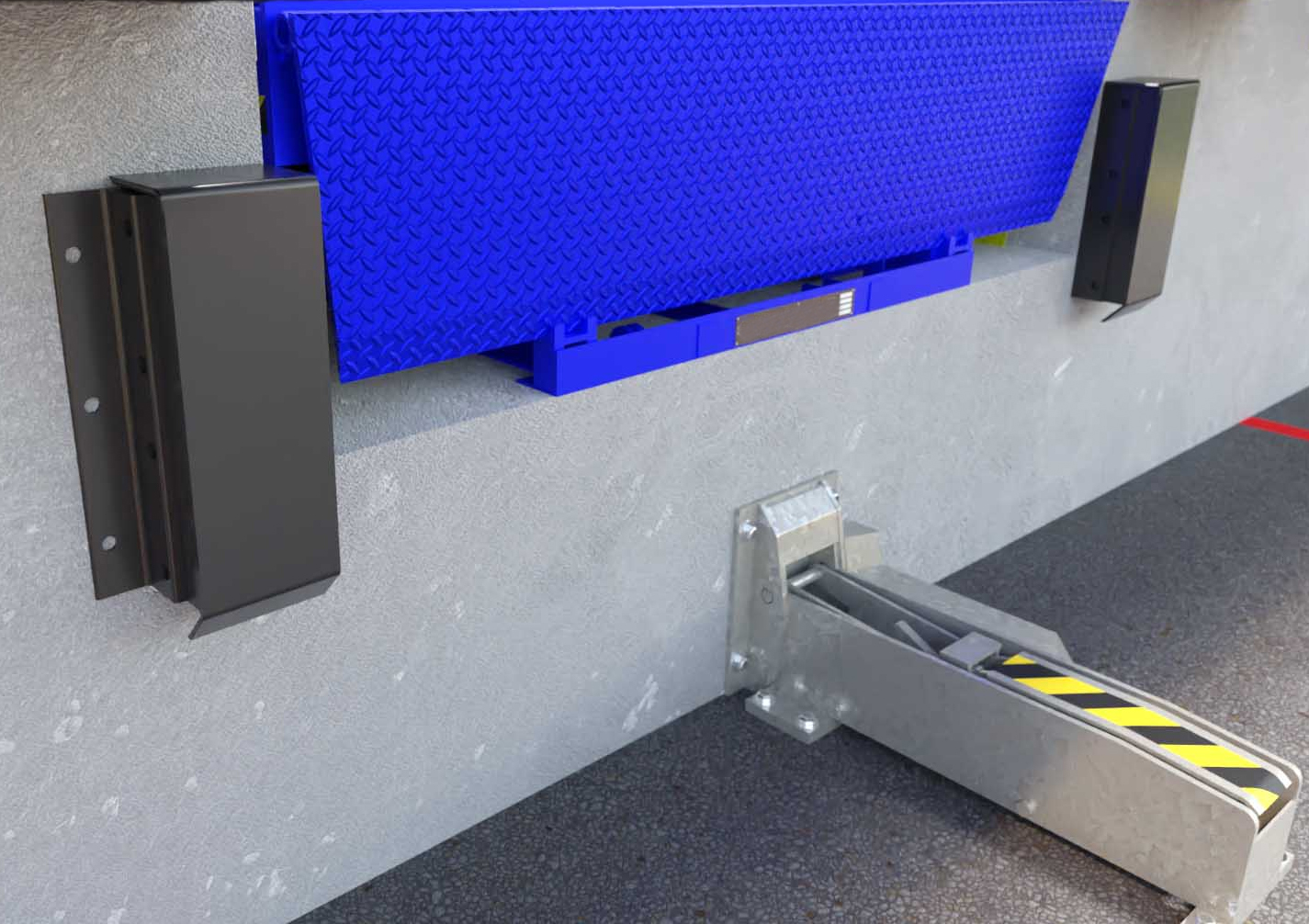 Why Do Air-Ride Trailers Destroy Standard Bumpers? Should You Specify a Steel-faced Laminated Rubber Bumper Instead?