
Flexible pipe couplings play a critical role in modern plumbing, HVAC, and industrial systems. These components connect pipes while allowing for movement, vibration absorption, and misalignment compensation. Yet, a common question arises: How long can these couplings endure repeated stress before failing? Understanding the fatigue life of flexible pipe couplings is essential for engineers, contractors, and homeowners to ensure system reliability and safety. This article explores the factors influencing fatigue life, testing methods, and practical strategies to extend durability.

The Basics of Fatigue Life in Flexible Couplings
Fatigue life refers to the number of stress cycles a material or component can withstand before developing cracks or failing. Unlike sudden failure under static loads, fatigue occurs gradually due to repeated pressure, temperature fluctuations, or mechanical movement. For flexible pipe couplings, this means enduring constant expansion, contraction, and angular shifts without compromising performance.
The fatigue life of a coupling depends on its design, material composition, and operating conditions. For instance, couplings in high-rise buildings may face greater pressure variations than those in residential basements. Similarly, industrial systems with aggressive chemicals or extreme temperatures demand couplings with higher fatigue resistance. Manufacturers often provide estimated fatigue life spans based on standardized tests, but real-world conditions can alter these outcomes.
Key Factors Affecting Fatigue Life
Material Quality
The choice of material significantly impacts durability. Rubber compounds, reinforced with synthetic fibers or metal inserts, are common in flexible couplings. High-grade elastomers resist abrasion and chemical degradation, while metal components (like stainless steel) enhance strength. Poor-quality materials, however, may crack or harden over time, reducing fatigue life.
Operating Pressure and Temperature
Couplings exposed to pressures beyond their rated capacity experience accelerated wear. Similarly, extreme temperatures—whether hot or cold—can weaken materials. For example, a coupling designed for cold-water systems might degrade faster if used in steam applications.
Installation Practices
Improper installation is a leading cause of premature failure. Over-tightening can deform the coupling, while misalignment creates uneven stress distribution. Following manufacturer guidelines for torque and alignment ensures optimal performance.
Environmental Conditions
UV exposure, ozone, and moisture can degrade rubber components. In outdoor applications, couplings with UV-resistant coatings or protective sleeves last longer. Similarly, corrosive environments (e.g., saltwater or chemical plants) require couplings with anti-corrosive properties.
How Is Fatigue Life Tested?
To determine fatigue life, manufacturers simulate real-world conditions in controlled environments. Two primary testing methods are used:
Cyclic Pressure Testing: Couplings are subjected to repeated pressure cycles, alternating between minimum and maximum ratings. Engineers track the number of cycles until leakage or structural failure occurs.
Thermal Cycling Tests: Couplings endure rapid temperature changes to mimic hot and cold water flow. This evaluates how well materials expand and contract without cracking.
These tests adhere to industry standards, such as those set by the American Society for Testing and Materials (ASTM). Data from these tests help engineers predict service life under specific conditions. However, real-world variables—like irregular maintenance or unexpected pressure spikes—may shorten lifespan.
Signs of Fatigue in Flexible Couplings
Detecting early warning signs prevents catastrophic failures. Common indicators include:
Visible cracks or tears in rubber components.
Persistent leaks around the coupling, even after retightening.
Unusual noises (e.g., creaking or rattling) during system operation.
Stiffness or reduced flexibility, making it harder to bend or rotate the coupling.
Regular inspections are crucial, especially in systems with high vibration or thermal stress. Replacing a worn coupling before it fails entirely avoids costly water damage or downtime.
Extending the Fatigue Life of Couplings
While no coupling lasts forever, proactive measures can maximize its service life:
Choose the Right Coupling for the Job
Select couplings rated for your system’s pressure, temperature, and chemical exposure. Over-specifying (choosing a higher-rated coupling than necessary) can add unnecessary cost, while under-specifying risks early failure.
Follow Installation Best Practices
Use proper tools to avoid over-tightening and ensure alignment. For example, some couplings require a gap between flanges to accommodate thermal expansion.
Schedule Regular Maintenance
Inspect couplings annually or biannually, depending on usage. Clean debris from around the coupling and check for signs of wear.
Protect Against Environmental Damage
In outdoor applications, use couplings with weather-resistant coatings. For corrosive environments, opt for stainless steel or chemically resistant elastomers.
Monitor System Conditions
Install pressure gauges and thermometers to track fluctuations. Sudden spikes in pressure or temperature may indicate underlying issues that stress couplings.
The Role of Innovation in Fatigue Resistance
Advancements in material science are pushing the boundaries of fatigue life. For example, newer elastomers with improved heat resistance and flexibility are replacing traditional rubber compounds. Similarly, 3D printing allows for precise, lightweight designs that distribute stress more evenly.
Researchers are also exploring self-healing materials, which could automatically repair minor cracks before they escalate. While these technologies are still emerging, they promise to revolutionize the durability of flexible couplings in the coming decades.
Conclusion: Why Fatigue Life Matters
The fatigue life of flexible pipe couplings directly impacts system reliability and safety. By understanding the factors that influence durability—from material quality to installation practices—users can make informed decisions that minimize risks and costs. Regular maintenance, proper selection, and adherence to operating guidelines remain the best defenses against premature failure.
As infrastructure ages and environmental stresses increase, the demand for resilient couplings will grow. By staying informed about advancements in testing and materials, professionals can ensure these unsung heroes of plumbing and industrial systems continue to perform reliably, cycle after cycle.
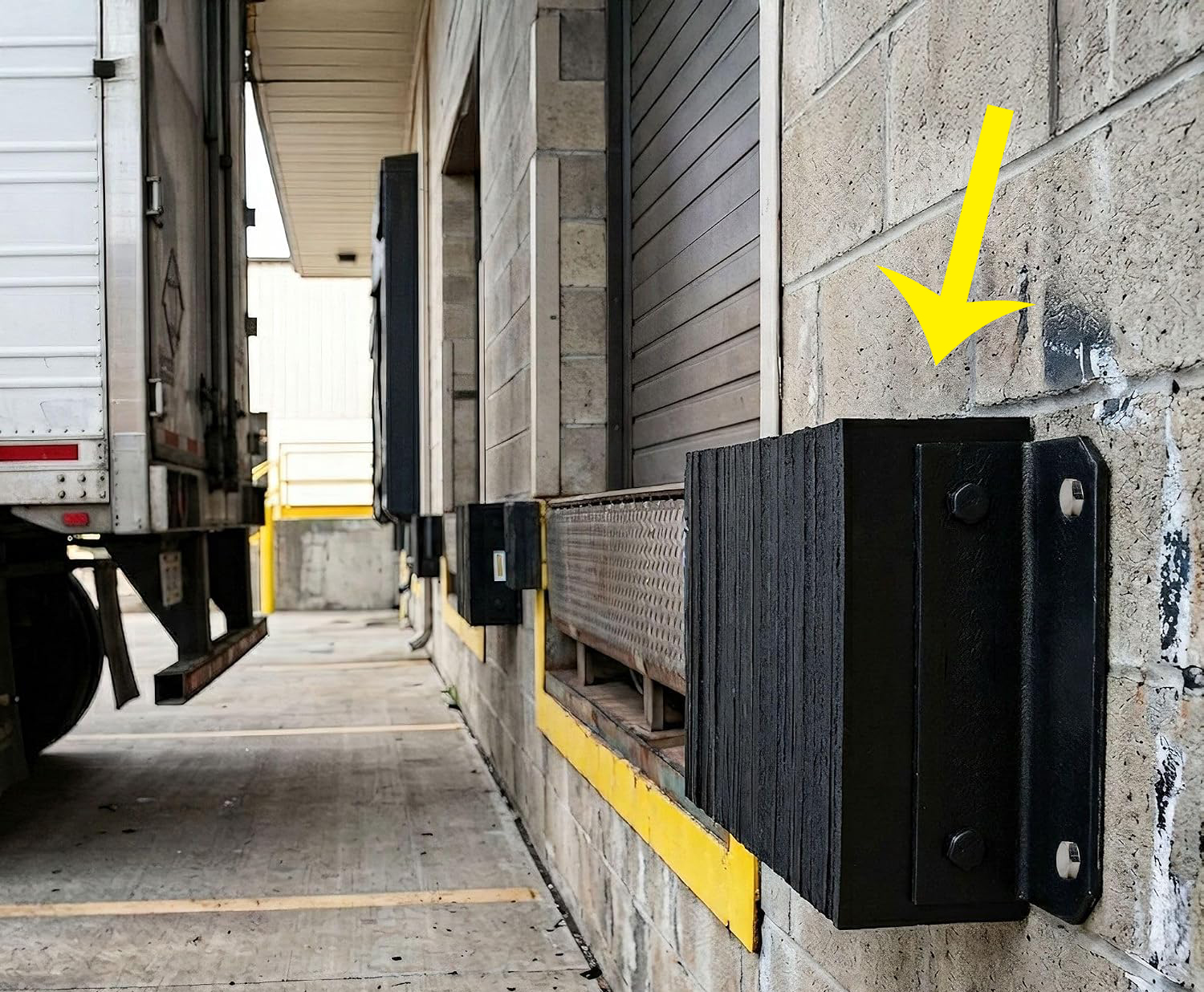 Rubber Laminated Loading Dock Bumper with Steel Angle: 5 Field Failure Signs That Point Back to the RFQ
 Bridge Bearing Pad Field Failure: 5 Visual Signs Before It Retires (And What Caused It)
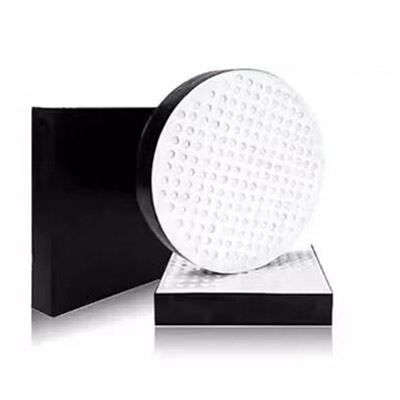 Bridge Bearing Pad RFQ Checklist: 9 Lines That Stop Suppliers From Subbing the Rubber
 Laminated Rubber Bearing: Maintenance and Inspection Protocols