
A laminated rubber bearing is a structural bearing built from layers of rubber bonded to thin steel plates. The steel restricts the sideways bulge of the elastomer, so the bearing can carry heavy vertical loads while still rotating and moving in shear. That combination makes it one of the most common support types on modern bridges — and one of the most overlooked when a maintenance programme is written. A laminated bearing is durable, but it is not maintenance-free. Its condition changes slowly, and the signs that matter appear early and quietly. This guide sets out a practical maintenance and inspection protocol that keeps a laminated rubber bearing serviceable for its full design life.
The purpose of the protocol is not to find faults after they become visible. It is to build a simple, repeatable record of how each bearing behaves over time, so that an unusual change stands out against a known baseline. Bridges rarely fail suddenly; they give warning. A disciplined routine is how that warning is caught.
It is also worth being clear about what a protocol can and cannot do. It cannot reverse ageing, and it cannot restore a bearing that has already lost its function. What it can do is detect change early enough that the response is planned rather than reactive, which is almost always cheaper and safer for everyone involved.
A laminated rubber bearing, also called a steel-laminated elastomeric bearing, consists of alternating layers of elastomer and steel bonded together into a single unit. Because the steel plates are bonded rather than inserted loosely, the assembly behaves as one component: stiff vertically, flexible in shear, and able to rotate under load without losing contact with the structure above or below.
This behaviour allows a relatively thin bearing to accept large vertical forces while accommodating the deck's thermal movement and the small rotations caused by traffic. The same construction is used in plain rectangular bearings and in more complex assemblies, and it is the laminated core that carries the load in each case.
Because the bearing is a passive component, it has no moving parts to lubricate and no energy supply to monitor. What it does have is an elastomer that ages, edges that can be damaged, and a seating surface that can become contaminated. Those three things define what a maintenance protocol needs to watch.
Understanding the internal construction also explains why some defects matter more than others. A surface blemish on the cover rubber is usually cosmetic, while anything that suggests the bond between rubber and steel has been compromised is significant, because the laminations are what give the bearing its load path.
An effective programme for laminated rubber bearings has four elements: a clear schedule, a consistent method, a written record, and a defined response. The schedule sets how often each bridge is visited. The method defines what the inspector looks at and how. The record captures what was seen so that change can be detected. The response states what happens when something abnormal is found.
The scope of each visit is deliberately narrow. The inspector looks for changes in the bearing itself, changes in how it sits, and changes in its surroundings. Contamination, debris, water paths and staining often reveal more than the rubber surface alone, because they show where the bearing is being affected by conditions elsewhere on the structure.
It is also worth recording what has not changed. A visit that finds nothing unusual is only useful if the previous record exists to compare against, which is why the written record matters as much as the physical inspection. Without it, every visit starts from zero and slow trends are invisible. A simple form or a phone app is enough; the format matters far less than the habit of completing it every time, and a record that is easy to write is a record that actually gets written.
The intervals below reflect common practice for bridge structures. They should always be adjusted to the criticality of the structure, the environment and the governing owner requirements.
| Activity | Typical interval | Focus |
|---|---|---|
| General visual check | Every routine bridge visit | Position, seating, obvious damage |
| Detailed bearing assessment | Every 2 to 4 years | Elastomer condition, edges, movement |
| Principal inspection | Every 6 years | Full structure, all bearings, records |
| Special assessment | After flooding, impact or seismic event | Displacement, seating, deformation |
The intervals are a starting point rather than a rule. A bridge in a harsh coastal environment may need shorter gaps, while a sheltered structure with a stable history may justify staying on the standard cycle. What matters is that the chosen intervals are documented and followed consistently.
Sequencing also matters. A detailed bearing assessment is only meaningful if the surrounding structure has been examined first, because the bearings are often the place where a problem that started elsewhere finally shows up.
Start with position. A bearing that has moved, rotated excessively or lost contact with its seating tells you more than any surface detail. Compare the bearing against the design position and against its own previous record, and note any change in the gap between the bearing and the structure it supports.
Next, examine the elastomer itself. Look for cracking, particularly at the edges where the rubber is most exposed, for bulging that seems uneven, and for any sign of the steel laminations becoming visible. Discolouration, hardening or a dull, chalky surface can indicate that the elastomer is ageing faster than expected.
Then look at the surroundings. Standing water, trapped debris, blocked drainage or a damaged expansion joint can all change the conditions a bearing experiences, even if the bearing looks unchanged. Contamination from oil, salt or chemicals should be recorded and traced to its source rather than simply cleaned away.
Finally, compare one bearing with its neighbours. A set of bearings under the same deck should behave similarly; a single bearing that differs from the rest is a strong signal that something specific is happening at that support. Taking a consistent set of photographs from the same angle each time makes those comparisons far easier.
Replacement is considered when the bearing can no longer perform its function safely, or when the rate of change suggests it soon will not. Visible exposure of the steel laminations, deep or growing cracks, permanent deformation that does not recover, or a clear loss of contact with the structure are all reasons to escalate.
The decision is not made on a single observation. It is made on a trend: how the bearing looked at the last visit, how it looks now, and how quickly the change has occurred. A stable, minor surface crack and a crack that has doubled in size in two years are very different findings, even though both are cracks.
Where the surrounding structure is complex and several bearing types are present, it helps to review the whole support arrangement rather than the pad alone. The full bridge bearing range shows how laminated, pot and plain bearings differ, which is useful when deciding whether a single bearing can be replaced in isolation or whether the support should be reassessed as a system.
Replacement planning should begin as soon as a trend is confirmed, because jacking, temporary support and access all take time to arrange. Early recognition is what turns a manageable replacement into a routine operation instead of an emergency.
Standards give maintenance teams a shared vocabulary. In North America, ASTM D4014 defines requirements for plain and steel-laminated elastomeric bearings used in bridges, including the elastomer grades and the properties they must hold. Its public summary is available at ASTM D4014, and it is the natural reference when a bearing's specified properties must be confirmed.
In Europe and in markets that follow European practice, BS EN 1337-3 covers elastomeric structural bearings and sets out material and performance requirements that can be cited directly in a maintenance or replacement decision. The published scope is described at BS EN 1337-3.
For the maintenance engineer, the practical value of these documents is that they make the original requirement retrievable. Knowing what the bearing was specified to do is what allows an inspector to judge how far its current condition has drifted from the design intent.
At minimum during every routine bridge visit, with a detailed bearing assessment every two to four years and a principal inspection at longer intervals. Structures in harsh environments or with a history of movement should be visited more often.
Minor issues such as trapped debris or a blocked drainage path can usually be corrected in place. Damage to the elastomer or the laminations itself is normally addressed by replacement, because the bearing's internal condition cannot be restored on site.
Visible steel laminations, deep or rapidly growing cracks, permanent deformation that does not recover, uneven bulging, and any loss of contact between the bearing and the structure above or below it.
No. A laminated rubber bearing has no sliding interface that requires lubricant. It works by elastic deformation, so maintenance focuses on condition, position and cleanliness rather than on lubrication.
Each support sees different loads, movement and exposure. A bearing near a joint may receive more water and debris than one in a sheltered bay, so differences between bearings often point to conditions at that specific location.
A consistent record of position, condition and any change since the previous visit, together with photographs and notes on the surrounding structure. The record is what turns individual observations into a trend. Taken together over several years, those records become the evidence base for replacement planning.
A workable maintenance protocol depends on the structure, the environment and the bearing arrangement in front of you. Share the bridge type, the supports involved, the exposure and any current condition findings, and the inspection priorities and replacement questions can be worked through together.
Discuss Your Laminated Rubber Bearing Requirements

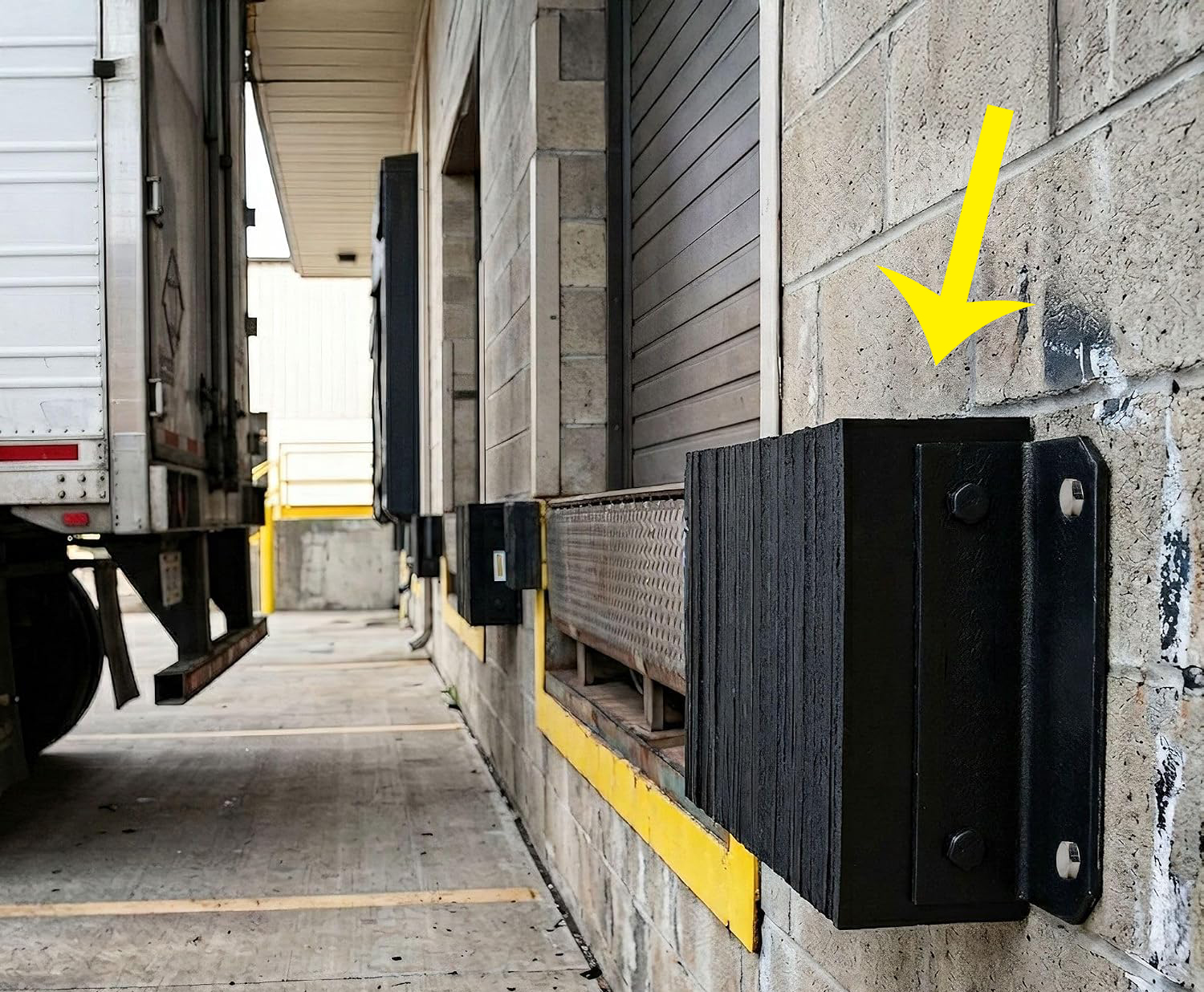 Rubber Laminated Loading Dock Bumper with Steel Angle: 5 Field Failure Signs That Point Back to the RFQ
 Bridge Bearing Pad Field Failure: 5 Visual Signs Before It Retires (And What Caused It)
 Bridge Bearing Pad RFQ Checklist: 9 Lines That Stop Suppliers From Subbing the Rubber
 Elastomeric Bearing Pad: NR vs. CR Material Selection Guide