
In the realm of industrial manufacturing, the seemingly unassuming rubber plug plays a critical role in maintaining the integrity and functionality of various systems and components. From automotive engines to plumbing fixtures, rubber plugs are utilized to seal openings, prevent leaks, and protect sensitive equipment from environmental contaminants. However, the reliability and effectiveness of these plugs hinge on rigorous testing procedures that ensure they meet the stringent quality standards required for their intended applications. This article delves into the intricacies of rubber plug testing, highlighting the importance of quality control, the various testing methods employed, and the overall impact on product reliability.
The Significance of Rubber Plug Quality
Rubber plugs, despite their simple appearance, are engineering marvels designed to withstand a range of conditions, including extreme temperatures, pressure variations, and exposure to chemicals. Their primary function is to create a tight seal, preventing the ingress or egress of fluids and gases. In automotive applications, for instance, rubber plugs are used to seal oil and coolant passages, ensuring that engines operate efficiently without the risk of leakage. Similarly, in plumbing systems, they prevent water from seeping through joints and causing damage.
The quality of rubber plugs is therefore paramount. A poorly manufactured or inadequately tested plug can lead to leaks, system failures, and even safety hazards. In industrial settings, such failures can result in costly downtime, environmental contamination, and potential legal repercussions. Consequently, manufacturers invest significantly in testing to guarantee that their rubber plugs meet or exceed industry standards.
Testing Procedures: A Comprehensive Approach
Rubber plug testing encompasses a series of evaluations designed to assess various aspects of performance, durability, and compliance. These tests can be broadly categorized into physical, chemical, and environmental tests.
1. Physical Testing
Physical testing focuses on the mechanical properties of rubber plugs. One of the fundamental tests is the tensile strength test, which measures the maximum stress a plug can withstand before breaking. This test is crucial as it indicates the plug's ability to resist forces that could cause it to tear or rupture.
Another essential physical test is the compression set test. This evaluates how well the rubber plug maintains its shape and sealing capabilities after being subjected to prolonged compressive forces. A high compression set indicates that the plug may deform permanently, compromising its sealing effectiveness.
Hardness testing is also conducted to determine the plug's resistance to indentation. This is particularly important in applications where the plug must withstand physical contact without deforming, such as in vibration-prone environments.
2. Chemical Testing
Chemical testing assesses the rubber plug's resistance to various substances it may encounter during its service life. This includes oils, fuels, solvents, and cleaning agents. Chemical resistance testing involves exposing the plug to the specific chemicals it will encounter and evaluating any changes in its physical properties or appearance.
Additionally, ozone resistance testing is critical for plugs that will be exposed to the atmosphere, as ozone can cause rubber to crack and degrade over time. This test simulates long-term exposure to ozone and evaluates the plug's ability to maintain its integrity.
3. Environmental Testing
Environmental testing simulates the conditions under which the rubber plug will operate. Temperature cycling tests, for example, expose the plug to extreme temperature changes to assess its ability to maintain its sealing properties and structural integrity. This is particularly important in automotive applications where engines can experience significant temperature fluctuations.
Moisture resistance testing is another crucial aspect, especially for plugs used in outdoor or marine environments. This test evaluates the plug's ability to resist water absorption, which can lead to swelling, loss of elasticity, and reduced sealing effectiveness.
Furthermore, UV resistance testing is conducted on plugs that will be exposed to sunlight, as UV radiation can cause rubber to degrade and lose its mechanical properties. This test ensures that the plug can withstand prolonged exposure without significant deterioration.
Advanced Testing Techniques
In addition to the standard tests mentioned above, advanced techniques such as non-destructive testing (NDT) are employed to evaluate the internal structure and integrity of rubber plugs. Ultrasonic testing, for instance, can detect internal defects such as voids, cracks, and inclusions that may not be visible to the naked eye.
Similarly, X-ray imaging provides a detailed view of the plug's internal structure, allowing manufacturers to identify any defects that could compromise its performance. These advanced techniques are particularly valuable in ensuring the quality of complex or critical components where failure is not an option.
Quality Control and Continuous Improvement
Effective rubber plug testing is not a one-time process but rather a continuous cycle of quality control and improvement. Manufacturers implement robust quality management systems (QMS) to oversee the entire testing process, from raw material inspection to final product verification.
Regular audits and inspections are conducted to ensure that testing procedures are being followed correctly and that results are accurate. Any deviations or deficiencies are promptly addressed through corrective actions and process improvements.
Furthermore, manufacturers stay abreast of advancements in materials science and testing technology to continuously enhance their products. By adopting innovative testing methods and materials, they can improve the performance, durability, and reliability of their rubber plugs.
Rubber plug testing is a vital component of ensuring the quality and reliability of these essential components. Through a comprehensive approach that encompasses physical, chemical, and environmental tests, manufacturers can assess and guarantee the performance of their plugs under various conditions.
Advanced testing techniques, coupled with robust quality control systems, enable continuous improvement and ensure that rubber plugs meet or exceed industry standards. This commitment to excellence not only enhances product reliability but also fosters customer trust and satisfaction.
In summary, rubber plug testing is a critical aspect of industrial manufacturing that should not be overlooked. By investing in rigorous testing procedures, manufacturers can ensure that their rubber plugs provide the sealing effectiveness, durability, and reliability required for their intended applications, ultimately contributing to the overall success and reputation of their products.
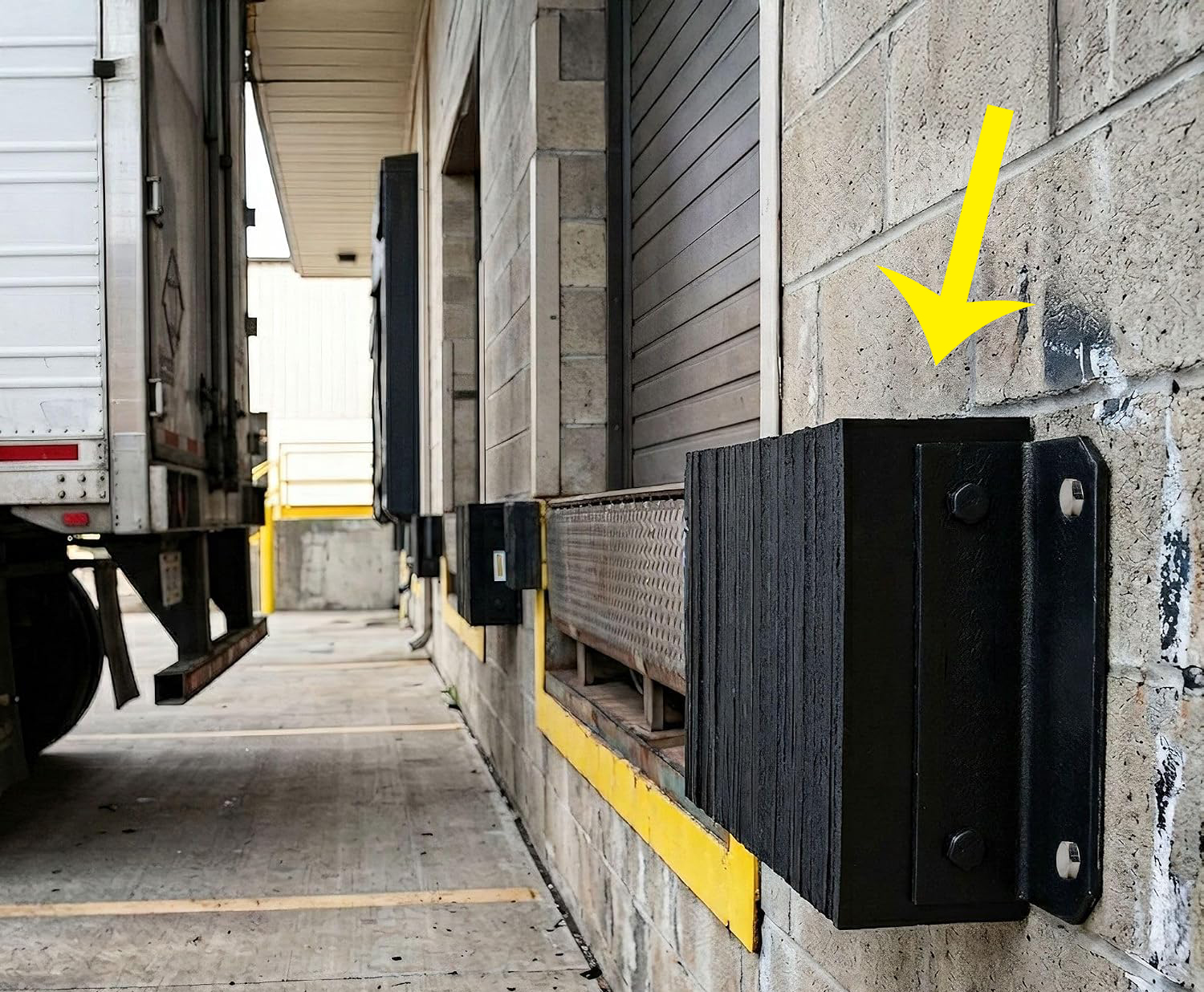 Rubber Laminated Loading Dock Bumper with Steel Angle: 5 Field Failure Signs That Point Back to the RFQ
 Bridge Bearing Pad Field Failure: 5 Visual Signs Before It Retires (And What Caused It)
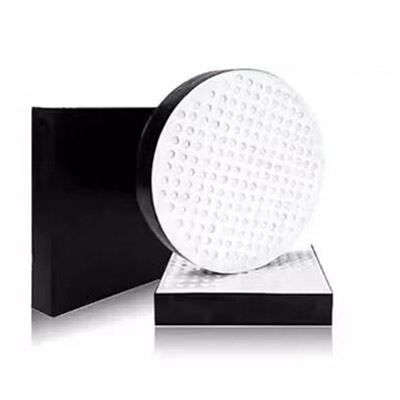 Bridge Bearing Pad RFQ Checklist: 9 Lines That Stop Suppliers From Subbing the Rubber
 Laminated Rubber Bearing: Maintenance and Inspection Protocols