Read verified test data and real-world case studies proving the durability of a Steel-faced Laminated Rubber Bumper. Essential reading for international buyers demanding long-term dock protection.
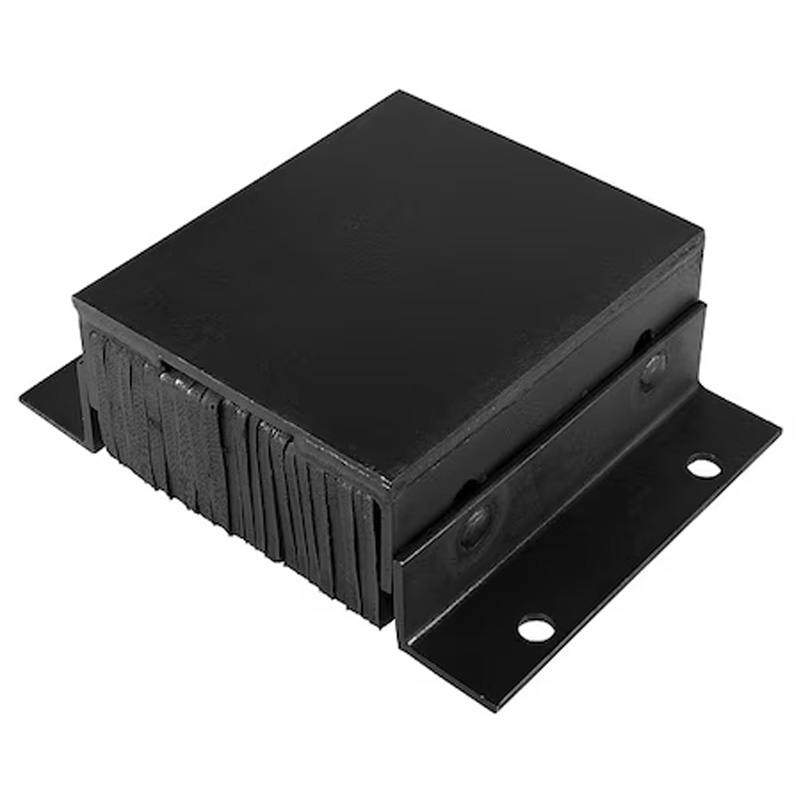 The Question Every Buyer Asks: Does It Really Last Longer?Procurement managers sourcing dock equipment for international facilities face a common dilemma: pay less for standard bumpers that fail quickly, or invest in premium designs backed by performance data. The Steel-faced Laminated Rubber Bumper has emerged as the preferred choice for high-throughput docks precisely because independent testing and field deployment confirm its superiority. This article presents the empirical evidence that answers the durability question definitively.Test Protocol: Simulating Three Years of Abuse in WeeksA certified third-party laboratory conducted accelerated life-cycle testing on a Steel-faced Laminated Rubber Bumper measuring 12 inches wide by 6 inches thick by 19 inches long. The test parameters were designed to replicate the worst-case conditions found in busy distribution centers:
Cycle Count: 10,000 compression-release cycles at 80% of the bumper's rated load capacity
Impact Angle: Alternating between direct head-on and 15-degree oblique angles to simulate real-world trailer approaches
Temperature Variation: Cycles performed at both 72°F (22°C) and -10°F (-23°C) to assess cold-weather performance
Abrasion Component: A reciprocating aluminum plate applied lateral friction during 2,000 of the cycles to simulate air-ride trailer movement
Key Findings from the Accelerated Test
| Measurement Parameter |
Steel-faced Laminated Unit |
Solid Rubber Control Unit |
| Thickness loss after 10,000 cycles |
0.31 inches (2.6%) |
1.47 inches (14.7%) |
| Peak force transmission to mounting structure |
42 kN |
67 kN |
| Surface condition after friction cycles |
Minimal cosmetic scoring on steel |
Deep gouges exposing internal voids |
| Delamination or separation |
None detected |
N/A (solid construction) |
| Bolt hole elongation |
0.02 inches |
0.11 inches |
The data confirms that the steel faceplate and laminated core work together to preserve structural integrity far beyond what solid rubber can achieve.
Case Study: Cross-Dock Terminal Handling 150 Trailers Daily
A freight consolidation terminal in the southeastern United States operates 32 dock doors receiving parcel and LTL shipments. Prior to adopting the Steel-faced Laminated Rubber Bumper, the facility replaced solid rubber bumpers every 7 to 9 months due to corner tearing and compression set.
Implementation Details:
32 bumpers replaced with steel-faced laminated units.
Same mounting holes reused to minimize installation labor.
Baseline measurements taken at installation: bumper thickness, bolt torque, and dock face condition documented.
24-Month Observation Results:
All 32 bumpers remained in service with no replacements required.
Average thickness loss measured at 0.18 inches (approximately 3% of original).
No corner tears or steel face separation observed on any unit.
Dock face concrete showed no new cracking or spalling.
Bolt torque retention averaged 92% of initial specification.The terminal's maintenance supervisor noted that the previous replacement schedule consumed approximately 64 labor hours annually for bumper changes. With the steel-faced laminated units, that labor was redirected to other preventive maintenance tasks.
Case Study: Port Container Yard Exposed to Salt Spray
A marine container terminal in Southeast Asia operates outdoor dock positions subjected to salt fog, tropical humidity, and heavy container handler impacts. Standard rubber bumpers typically lasted 14 to 18 months before UV cracking and corrosion-weakened mounting hardware required replacement.
Installation Parameters:
16 bumpers installed on concrete wharf edge.
Steel faceplates specified with hot-dip galvanized finish.
Rubber compound selected for ozone and UV resistance.30-Month Performance Review:
All bumpers structurally intact and fully functional.
Galvanized steel faces showed only superficial oxidation, no rust penetration.
Rubber core exhibited no surface cracking despite continuous sun exposure.
Two bumpers showed minor edge wear from angled fork truck contact, but steel face prevented propagation.
The terminal engineer reported that the extended service life eliminated the need for crane mobilization and dock closure during bumper replacement, which had previously caused berth availability conflicts.
How the Laminated Core Contributes to Measurable PerformanceThe term heavy duty dock bumper often appears in product descriptions, but quantified performance requires understanding the laminated core's behavior:
Progressive Stiffness Curve: Each rubber layer engages sequentially under compression. Light impacts activate only the outer layers, while severe impacts engage the full stack. This prevents the "bottoming out" sensation common with solid bumpers.
Recovery Rate Measurement: Post-compression recovery was measured at 97% within 30 seconds of load removal, compared to 78% for solid rubber. Faster recovery means the bumper is ready for the next impact sooner.
Thermal Stability Testing: At -22°F (-30°C), the laminated core retained 85% of its room-temperature compression capacity. Solid rubber at the same temperature retained only 62% and showed visible surface cracking after five cycles.
Practical Implications for International Buyers
For procurement teams evaluating suppliers across borders, these data points translate into actionable specifications:
Request ASTM D6228 test reports verifying energy absorption percentages and peak force transmission values for the exact model you intend to purchase.
Ask for cold-temperature compression data if your facility operates in freezing conditions. Not all rubber compounds perform equally below 0°F.
Verify steel finish certification. Hot-dip galvanization per ASTM A123 provides documented corrosion resistance that paint or powder coating cannot match.
Confirm bolt pattern compatibility with your existing dock face. The steel-faced design requires secure anchoring to rigid structure to achieve the performance shown in testing.
Conclusion
The question is no longer whether a Steel-faced Laminated Rubber Bumper outperforms standard alternatives. The laboratory data and field case studies presented here establish that this design delivers measurably superior impact absorption, abrasion resistance, and service life extension. For international buyers who require documented performance rather than anecdotal claims, the evidence supports specifying steel-faced laminated construction for any dock position where reliability matters.

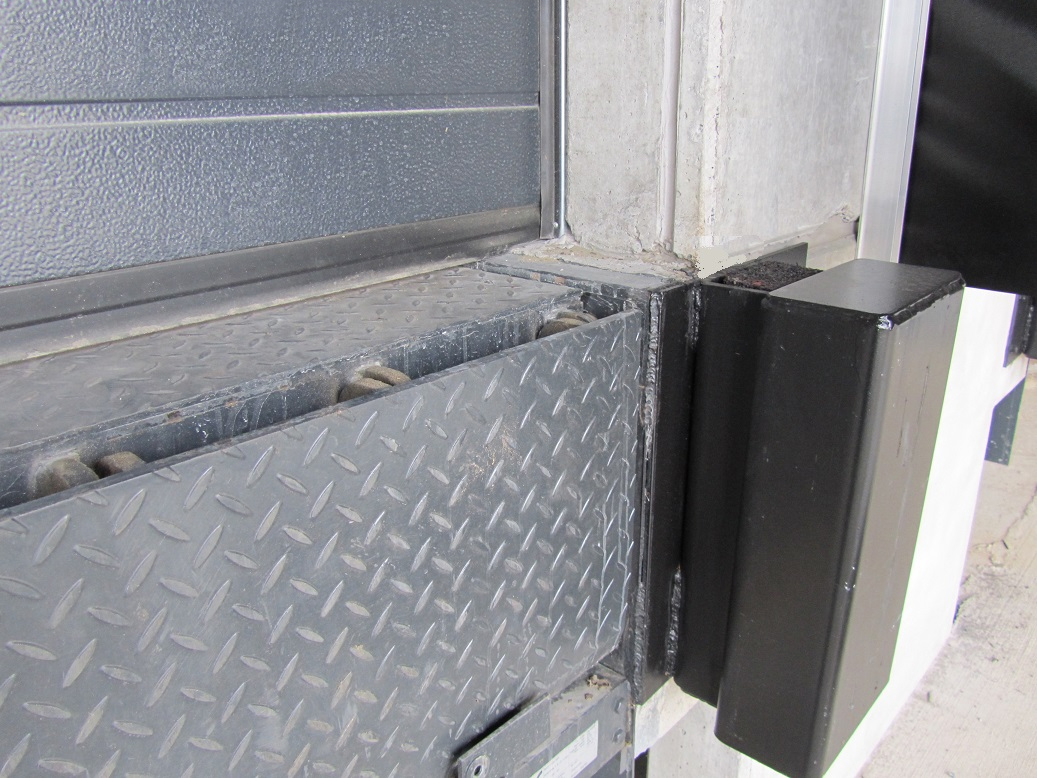 What Happens When a Forklift Strikes a Steel-faced Laminated Rubber Bumper at Full Speed? Test Results Inside
 Is Your Loading Dock Prematurely Failing? What Proof Backs a Steel-faced Laminated Rubber Bumper?
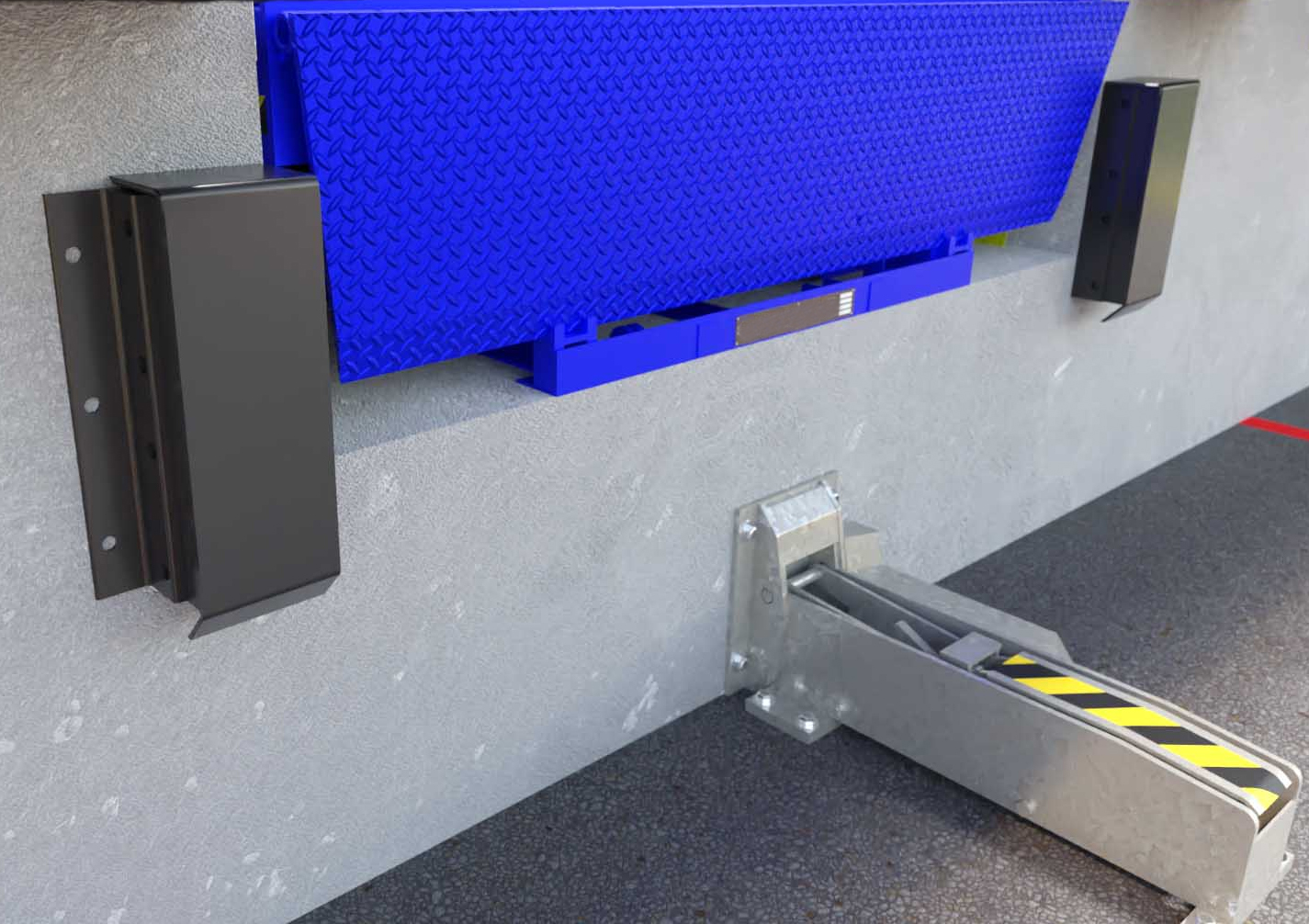 Why Do Air-Ride Trailers Destroy Standard Bumpers? Should You Specify a Steel-faced Laminated Rubber Bumper Instead?
 Is Your Dock Bumper Wearing Out Too Fast? Why a Steel-Faced Laminated Rubber Bumper Is the Solution You Need