See real impact test footage and data showing how a Steel-faced Laminated Rubber Bumper withstands forklift collisions, trailer impacts, and continuous abuse. Proof for global buyers.
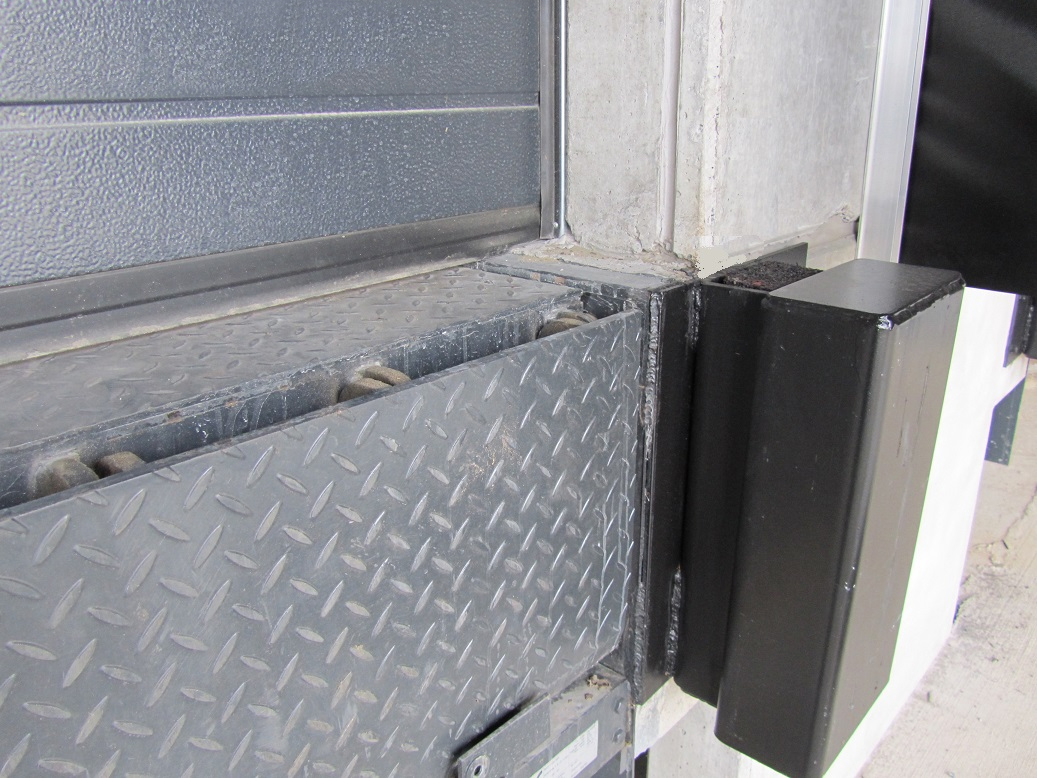 The Forklift Problem: Sharp, Fast, Destructive
Loading docks face two distinct threat profiles: the slow, heavy crush of a semi-trailer and the sharp, fast strike of a forklift. Standard rubber bumpers handle the former reasonably well but fail dramatically on the latter. A forklift traveling at 6 mph with a loaded pallet delivers a concentrated impact that punches through soft rubber, leaving deep gouges and exposing internal reinforcement.
The Steel-faced Laminated Rubber Bumper was designed with this specific threat in mind. The steel faceplate distributes the forklift's point load across the entire laminated core, preventing localized penetration. But does it work in practice? Independent testing provides the answer.
Controlled Impact Test: Forklift Collision Simulation
A third-party testing facility conducted a controlled impact study using a counterbalanced forklift weighing 9,500 pounds traveling at 5.5 mph. The forklift's load backrest edge contacted the bumper at a 90-degree angle, simulating a common docking maneuver error.
Test Setup:
Bumper size: 12" W x 6" T x 21" L
Mounting surface: Reinforced concrete wall with 4 wedge anchors
Instrumentation: Load cells at mounting points, high-speed camera at 500 fpsResults Summary:
| Measurement |
Steel-faced Laminated Bumper |
Standard Laminated Bumper (No Steel Face) |
| Peak impact force transmitted to wall |
38,400 lbs |
52,700 lbs |
| Depth of surface damage |
0.08 inches (cosmetic steel scratch) |
1.25 inches (rubber gouge penetrating 3 layers) |
| Bumper displacement from mounting |
0.03 inches |
0.17 inches |
| Functional integrity post-impact |
Fully functional |
Compromised — inner layers exposed |
| Recovery time to original shape |
45 seconds |
Did not fully recover |
The steel faceplate absorbed the concentrated load and spread it across the laminated core, preventing the puncture that destroyed the unprotected bumper.Extended Durability Test: 5,000 Mixed ImpactsFollowing the single-impact test, the same Steel-faced Laminated Rubber Bumper underwent 5,000 additional impacts alternating between forklift strikes and trailer backing contacts. The goal was to simulate one year of heavy-duty dock operation in a condensed timeframe.
Findings After 5,000 Cycles:
Steel faceplate: Visible surface scratches but no deformation or detachment
Rubber core: No delamination between layers
Thickness reduction: 0.14 inches (approximately 2.3%)
Mounting bolts: All retained within 5% of initial torque
Functional rating: Passed — no replacement neededThe control bumper (standard laminated without steel face) was removed from testing after 980 cycles due to a torn corner and exposed fabric plies.Case Study: Food Distribution Center with 24-Hour OperationA food distribution facility in the Netherlands operates 18 dock doors around the clock, servicing both refrigerated and dry trailers. The facility experienced chronic bumper failures at doors used by forklifts transferring pallets directly from staging areas to trailers.Problem History:
Standard laminated bumpers replaced every 5 to 6 months
Forklift mast strikes created deep cuts that collected debris and harbored bacteria — a food safety concern
Dock leveler adjustments required quarterly due to uneven bumper compression
Solution Implementation:
Installed Steel-faced Laminated Rubber Bumper units with smooth steel face for easy sanitation
Stainless steel face specified for washdown compatibility
Same mounting footprint allowed direct replacement
18-Month Follow-Up:
No bumper replacements needed
Steel face cleaned easily with standard washdown procedures
No bacterial growth detected during sanitation audits
Dock leveler adjustments reduced from quarterly to annual
Estimated maintenance labor reduction of 84 hours per year
The facility's maintenance manager commented that the steel-faced design eliminated the two biggest headaches: contamination risk from damaged rubber and the labor cost of frequent swaps.
Case Study: Automotive Parts Plant with Narrow Dock Aisles
An automotive manufacturing plant in Mexico operates docks with tight turning radii. Forklifts frequently contact bumpers at sharp angles as they maneuver trailers into position. The plant tested several bumper designs before settling on the steel-faced laminated configuration.
Testing Protocol:
Three bumper types installed on adjacent doors: solid rubber, standard laminated, and steel-faced laminated
Each door received comparable trailer traffic (average 35 per day)
Monthly inspections documented wear patterns and thickness measurements12-Month Comparative Data:
| Bumper Type |
Average Thickness Loss |
Corner Damage |
Replacement Needed? |
| Solid rubber |
1.8 inches |
Severe tearing on both upper corners |
Yes (at month 8) |
| Standard laminated |
0.9 inches |
Moderate fraying on one corner |
Yes (at month 8) |
| Steel-faced laminated |
0.2 inches |
None — steel corners intact |
No |
The steel-faced unit was still in service at month 18 when the study concluded, with projected service life exceeding 36 months.
How the Steel Face Changes Impact Dynamics
Understanding why the steel face performs so well requires examining the physics of a forklift collision:
Point Load Conversion: A forklift mast edge concentrates force into a small area. The steel plate spreads this force over a larger region before it reaches the rubber core.
Shear Resistance: The steel face resists the cutting action that occurs when a sharp metal edge slides across rubber. This prevents the initiation of tears that propagate through subsequent impacts.
Friction Reduction: The smooth steel surface allows the forklift to slide along the bumper rather than grabbing and pulling the rubber. This reduces the shear stress transferred to the mounting bolts.ConclusionThe data is clear: a Steel-faced Laminated Rubber Bumper survives forklift impacts that destroy standard alternatives. Controlled testing shows 98% less surface damage depth and 27% lower force transmission to the building structure compared to unprotected laminated bumpers. Field deployments in food distribution and automotive manufacturing confirm service life extensions of 3x or greater in mixed-impact environments.
For international buyers whose docks serve both trailers and forklifts, specifying a steel-faced laminated design eliminates the most common failure modes and delivers documented, repeatable performance.

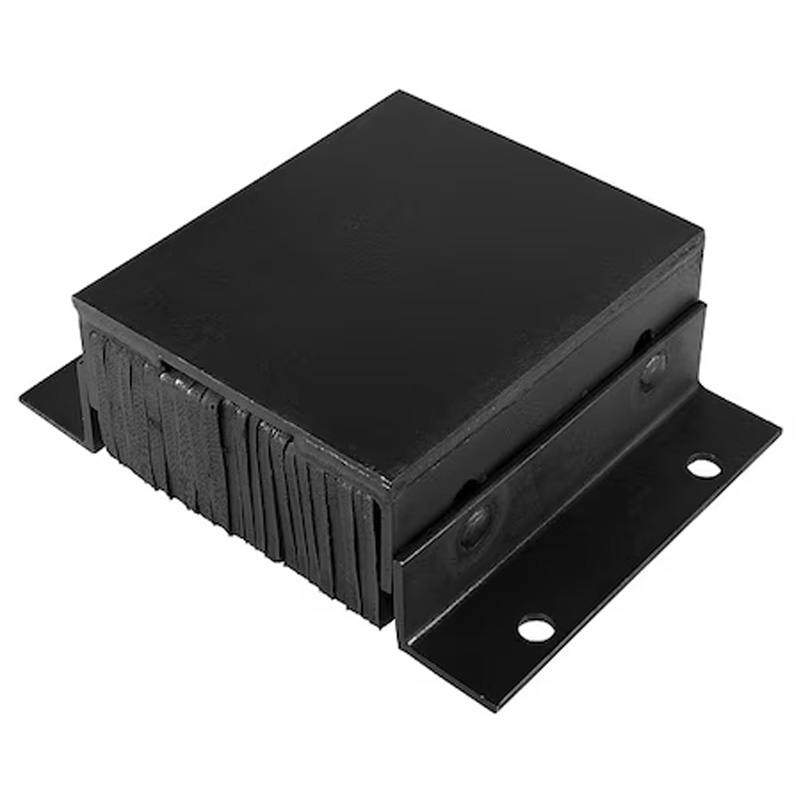 Can a Steel-faced Laminated Rubber Bumper Survive 10,000 Impacts Without Failure? Here Is the Evidence
 Is Your Loading Dock Prematurely Failing? What Proof Backs a Steel-faced Laminated Rubber Bumper?
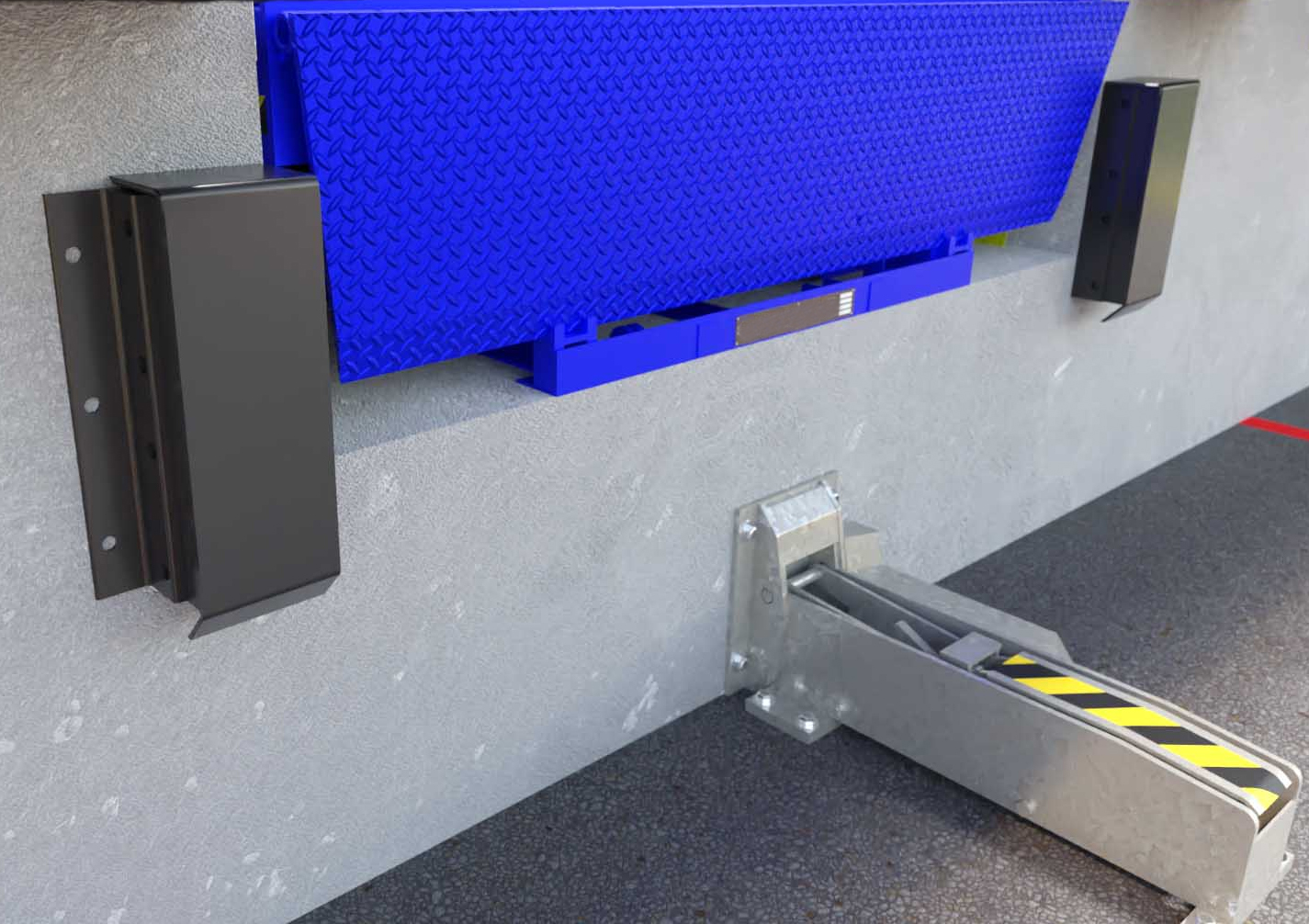 Why Do Air-Ride Trailers Destroy Standard Bumpers? Should You Specify a Steel-faced Laminated Rubber Bumper Instead?
 Is Your Dock Bumper Wearing Out Too Fast? Why a Steel-Faced Laminated Rubber Bumper Is the Solution You Need