Frequent bumper failures cause unplanned dock closures and lost productivity. Learn how a Steel Face Dock Bumper with laminated core eliminates unexpected downtime for good.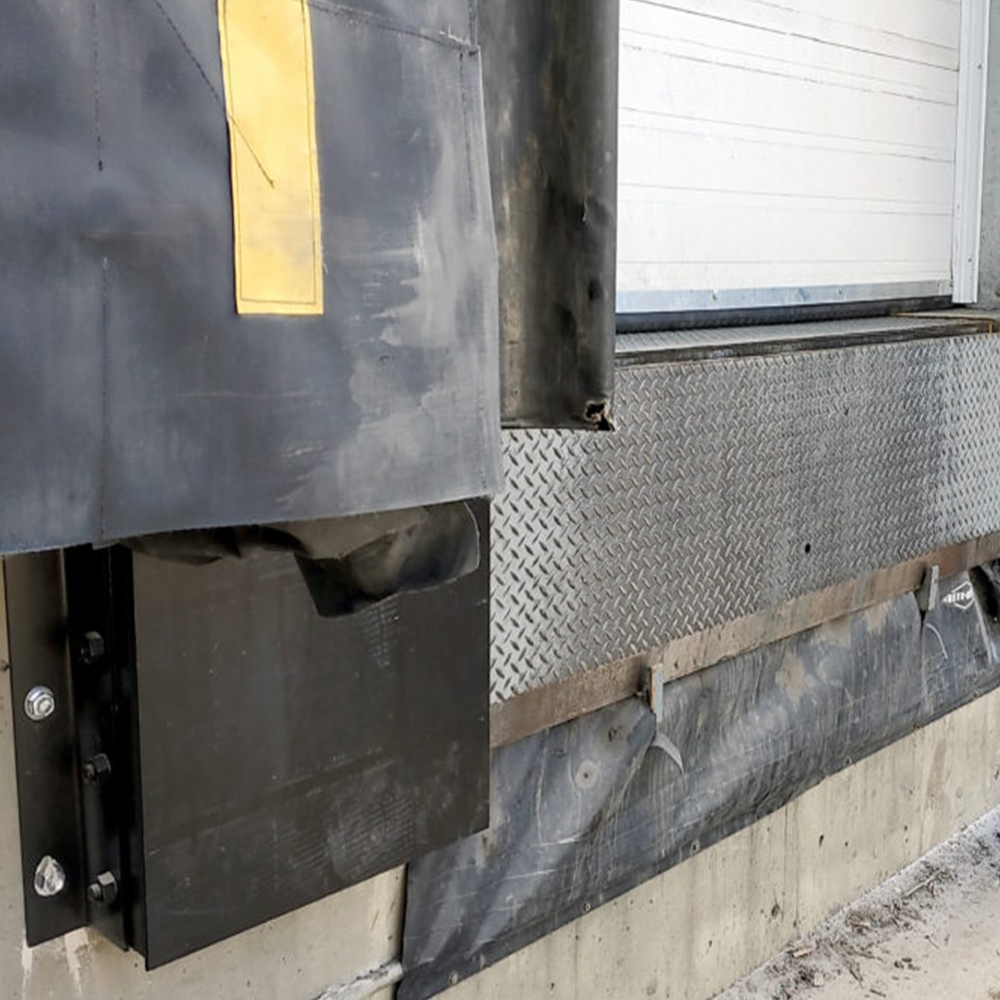 The Problem Nobody Budgets For: Emergency Bumper Replacement
When a dock bumper fails mid-shift, the consequences ripple beyond the broken rubber. A door goes out of service. Incoming trailers must reroute to other positions. Forklift operators waste time maneuvering around blocked bays. Maintenance crews scramble for replacement stock. The total impact on throughput is rarely calculated, but it accumulates with every failure.
Standard rubber bumpers fail predictably — corner tears initiate, propagate, and eventually force replacement. The Steel Face Dock Bumper interrupts this cycle. Its steel armor prevents the initial damage that leads to failure, keeping docks operational and maintenance teams focused on planned work rather than emergency repairs.
How Bumper Failure Creates Hidden Costs
A single bumper replacement event typically follows this timeline:
Detection: Worker notices damaged bumper during operation
Reporting: Supervisor notified, replacement authorized
Location: Replacement bumper retrieved from storage
Removal: Old bumper unbolted, hardware inspected
Installation: New bumper positioned, bolted, torqued
Return to Service: Dock door reopened for trailer traffic
Total elapsed time: 45 to 90 minutes of lost door availability.
If a facility replaces bumpers four times per year per door (common for solid rubber in high-traffic environments), the accumulated downtime equals 3 to 6 hours per door annually. For a 20-door facility, that represents 60 to 120 hours of lost loading capacity.
A Steel Face Dock Bumper reduces replacement frequency to once every 36 to 48 months, effectively eliminating this downtime category.
Case Study: Parcel Distribution Hub, United Kingdom
A parcel sorting facility processing 80,000 packages daily operates 22 dock doors around the clock. Any door closure directly impacts sortation throughput and delivery deadlines.
Before Steel Face Installation:
Bumper replacement interval: 6 to 8 months
Average downtime per replacement: 1.5 hours
Annual lost door-hours: approximately 49 hours across all doors
Emergency parts orders: 4 per yearAfter Switching to Steel Face Dock Bumper:
26-month observation period
Zero unscheduled bumper replacements
Zero dock closures attributable to bumper condition
Maintenance team redirected 140 labor hours to proactive tasks
The facility's operations manager reported that eliminating bumper-related downtime recovered the equivalent of six additional operating days over the observation period.
Case Study: Cold Storage Warehouse, MinnesotaA frozen food warehouse operating at -20°F faced unique challenges with bumper replacement. Cold temperatures made hardware brittle, crew mobility limited, and door openings risked product temperature excursions.
Historical Performance:
Standard laminated bumpers: 10 to 14 months service life
Corner tearing was primary failure mode
Each replacement required 3 hours due to cold-weather complications
Solution:
Installed Steel Face Dock Bumper with low-temperature rubber compound
Steel face wrapped over top and bottom edges for full corner protection
30-Month Results:
All bumpers remained in service
No corner tears or steel face separation
Zero product temperature excursions related to bumper work
Projected service life exceeding 48 monthsThe maintenance director noted that eliminating winter bumper changes was the most appreciated improvement by the crew.How the Steel Face Prevents the Failure CascadeThe Steel Face Dock Bumper stops the failure progression through three mechanisms:
Abrasion Barrier: The steel plate absorbs scraping contact from trailer edges and forklift masts, preventing surface damage that initiates tears.
Load Spreading: Concentrated impacts are distributed across multiple rubber laminates, preventing localized over-compression that weakens the structure.
Edge Armor: Steel wraps or extends to cover vulnerable corners, eliminating the most common tear initiation point.
These features work together to keep the bumper in its original functional state for years rather than months.
Comparative Maintenance Data: 36-Month Study
A longitudinal study tracked maintenance interventions across three facilities using different bumper types:
| Metric |
Solid Rubber |
Standard Laminated |
Steel Face Dock Bumper |
| Replacements per door |
4.2 |
2.8 |
0.3 |
| Unscheduled dock closures per year |
3.8 |
2.1 |
0.2 |
| Maintenance hours per door per year |
3.8 |
4.2 |
0.8 |
| Emergency parts orders per year |
5 |
3 |
0 |
The steel-faced design reduced maintenance burden by 88% compared to solid rubber and 81% compared to standard laminated bumpers.
Beyond Downtime: Secondary Cost Avoidance
Eliminating bumper failures avoids secondary costs that are rarely budgeted:
Expedited Freight: Emergency replacement parts require overnight shipping, multiplying the component cost.
Overtime Labor: Off-hour repairs trigger premium pay rates.
Equipment Damage: Failed bumpers expose dock walls and levelers to direct impact, potentially causing expensive structural repairs.
Worker Injury Risk: Rushed emergency repairs increase accident probability.
Installation Considerations for Maximum Uptime
To realize the full uptime benefit of a Steel Face Dock Bumper, follow these guidelines:
Mount to Rigid Structure: Concrete walls or steel beams provide the stable foundation needed for proper performance.
Use Adequate Anchors: Wedge anchors for concrete, grade 8 bolts for steel. Minimum four bolts per bumper.
Torque to Specification: Follow manufacturer recommendations. Overtightening can deform the steel face; undertightening allows movement.
Inspect Annually: Check bolt torque, steel face condition, and rubber compression. Early detection of minor issues prevents major failures.Conclusion
The Steel Face Dock Bumper is not simply a longer-lasting product — it is a downtime prevention strategy. By eliminating the failure cascade that begins with corner tearing and ends with unscheduled dock closure, this design keeps loading docks operational and maintenance teams focused on planned work.
For international buyers evaluating dock protection investments, the relevant comparison is not unit price versus unit price. It is the total operational cost of bumper failures — including lost throughput, labor diversion, and secondary damage — versus the documented reliability of a steel-faced laminated design. The data consistently favors the latter.

 The Problem Nobody Budgets For: Emergency Bumper Replacement
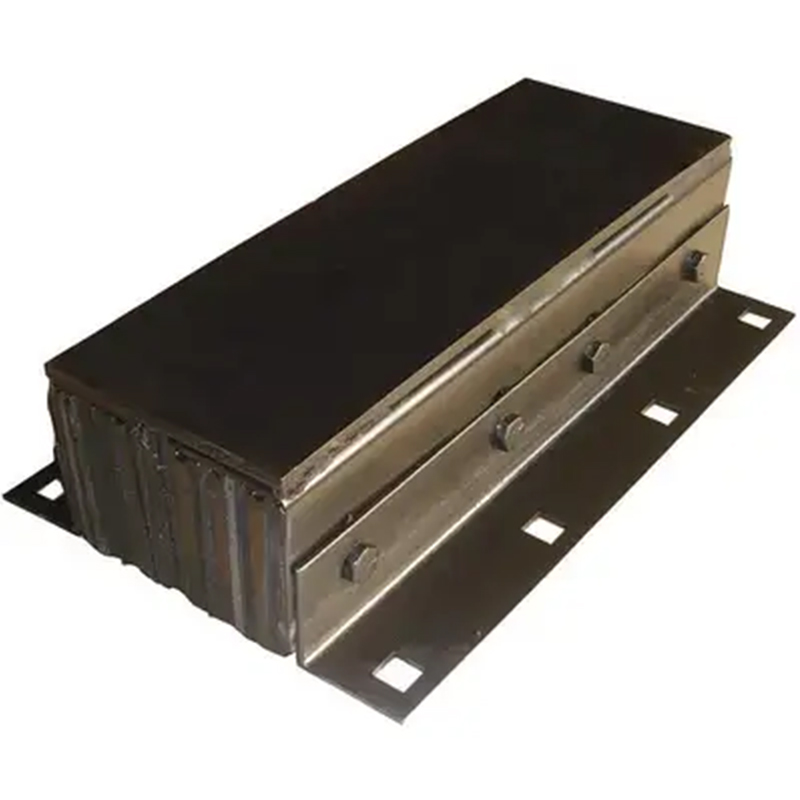 Why Do Air-Ride Trailers Destroy Plain Rubber Pads? Should You Switch to a Steel Face Dock Bumper?
 Are Your Dock Bumpers Creating a Safety Hazard for Forklift Drivers? How a Steel Face Dock Bumper Improves Workplace Safety
 Is Your Current Bumper Costing You in Hidden Downtime? Why a Steel Face Dock Bumper Is the Fix
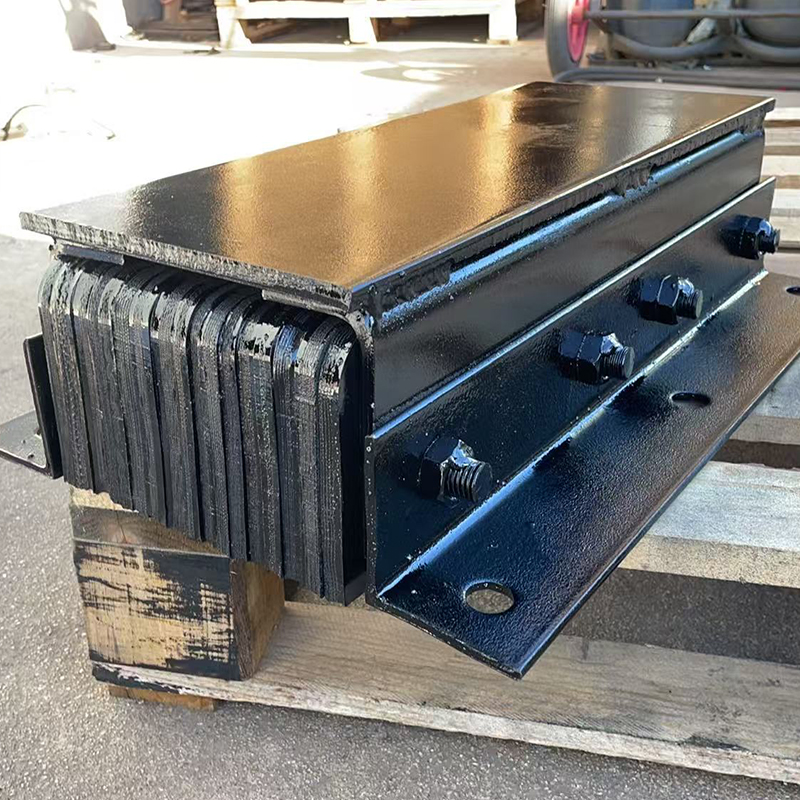 Can a Steel-faced Laminated Rubber Bumper Reduce Noise and Vibration at Your Loading Dock?