
When it comes to designing and maintaining HVAC (Heating, Ventilation, and Air Conditioning) systems, engineers and contractors face constant challenges in ensuring efficiency, durability, and adaptability. One question that often arises is whether flexible pipe couplings—a component commonly associated with plumbing or industrial piping—can be effectively integrated into HVAC setups. This article explores the feasibility, benefits, and considerations of using flexible pipe couplings in HVAC systems, shedding light on their potential to streamline installations and improve performance.
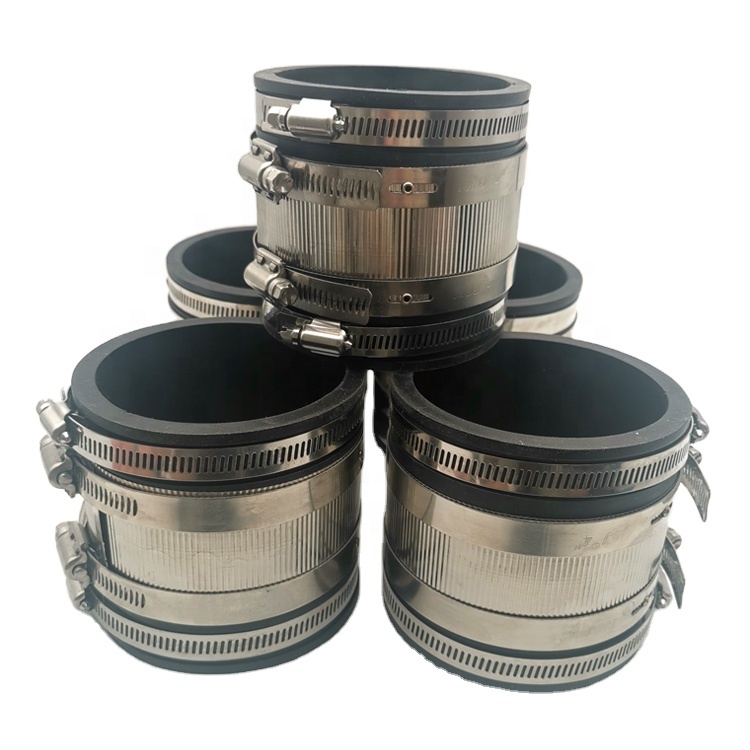
Understanding Flexible Pipe Couplings
Flexible pipe couplings are mechanical devices designed to connect two pipes while allowing for a degree of movement, vibration absorption, and misalignment compensation. Unlike rigid couplings, which require precise alignment and offer no flexibility, these components use materials like rubber, stainless steel, or composite alloys to create a durable yet pliable connection. They are widely used in applications where thermal expansion, ground movement, or mechanical stress could otherwise damage rigid piping systems.
In HVAC systems, pipes carry refrigerants, water, steam, or air, often traversing long distances and navigating tight spaces. The ability to accommodate slight shifts or vibrations without compromising the seal makes flexible couplings an attractive option for modern HVAC designs.
The Role of Flexible Couplings in HVAC Piping
HVAC systems rely on a network of pipes to distribute heated or cooled air, water, or refrigerant. These pipes must withstand pressure changes, temperature fluctuations, and occasional vibrations from equipment like compressors or fans. Traditional rigid couplings can crack or leak under such stress, especially in areas prone to seismic activity or building settlement.
Flexible couplings address these issues by acting as shock absorbers. For example, when an air handler vibrates during operation, a flexible coupling between the ductwork and the unit can reduce noise transmission and prevent metal fatigue in the pipes. Similarly, in hydronic systems (which use water for heating or cooling), flexible couplings can compensate for thermal expansion, minimizing the risk of joint failure.
Key Benefits for HVAC Applications
Vibration Dampening
HVAC equipment generates vibrations that can propagate through rigid piping, causing noise and wear. Flexible couplings isolate these vibrations, protecting the system and improving occupant comfort.
Thermal Expansion Management
Pipes expand and contract with temperature changes. Flexible couplings allow for this movement without requiring expansion joints, simplifying design and reducing maintenance.
Easier Installation
Rigid systems demand precise alignment, which can be time-consuming and costly. Flexible couplings tolerate minor misalignments, speeding up installations in retrofits or complex layouts.
Leak Prevention
By absorbing stress and movement, flexible couplings reduce the likelihood of leaks at connection points, a common issue in aging HVAC systems.
Challenges and Considerations
While flexible pipe couplings offer numerous advantages, their integration into HVAC systems requires careful planning:
Material Compatibility
HVAC systems may involve corrosive refrigerants or high-temperature steam. The coupling material must resist chemical degradation and withstand operating temperatures without losing flexibility.
Pressure Ratings
Couplings must match the system’s pressure requirements. Undersized or poorly rated couplings could fail under stress, leading to downtime or safety hazards.
Code Compliance
Local building codes and industry standards (such as those from ASHRAE or the International Mechanical Code) may dictate specific requirements for piping connections. Engineers must verify that flexible couplings meet these guidelines.
Long-Term Durability
In high-use systems, couplings may experience constant flexing. Selecting a product rated for cyclic fatigue ensures longevity and reduces replacement frequency.
Real-World Applications
Flexible couplings have already proven their worth in various HVAC scenarios. For instance, in commercial buildings with rooftop HVAC units, couplings between the unit and vertical duct runs help mitigate vibrations transmitted to the structure. In industrial settings, where large-scale boilers or chillers are used, flexible couplings connect high-pressure pipes while accommodating thermal expansion.
Residential HVAC systems also benefit. Homeowners upgrading to high-efficiency furnaces or heat pumps often find that flexible couplings simplify the transition from older, rigidly connected systems, reducing labor costs and improving reliability.
Maintenance and Troubleshooting
Like any HVAC component, flexible couplings require periodic inspection. Signs of wear—such as cracking, bulging, or leaks—indicate the need for replacement. Regular maintenance checks during routine HVAC servicing can prevent unexpected failures.
When troubleshooting issues like reduced airflow or unusual noises, technicians should examine couplings for proper installation and condition. A misaligned or damaged coupling could mimic more severe problems, leading to unnecessary repairs.
The Future of Flexible Couplings in HVAC
As HVAC technology evolves toward smarter, more efficient systems, the demand for adaptable components will grow. Innovations in coupling design, such as self-centering mechanisms or integrated sensors for monitoring stress levels, could further enhance their role in predictive maintenance strategies.
Additionally, the rise of modular HVAC systems—where components are prefabricated and assembled on-site—aligns well with the flexibility offered by these couplings. Their ability to simplify connections between pre-engineered modules may become a standard feature in green building designs.
Conclusion
Flexible pipe couplings are not just for plumbing or industrial piping; they are a versatile solution for modern HVAC challenges. By reducing vibrations, managing thermal expansion, and simplifying installations, they contribute to more reliable, efficient, and cost-effective systems. However, success depends on selecting the right coupling for the application, adhering to safety standards, and maintaining the components properly.
For HVAC professionals and building owners alike, exploring the potential of flexible couplings could unlock new opportunities for optimization and innovation. As systems become more complex, the need for adaptable, durable connections will only increase—making flexible couplings a component worth considering in every HVAC project.
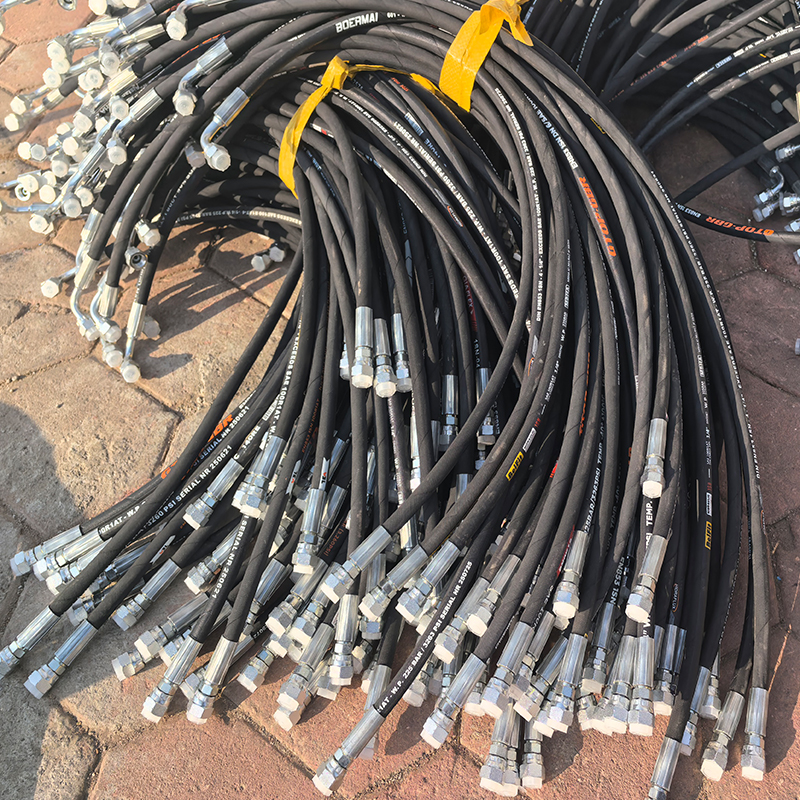 How to Create a Proactive Spiral Hydraulic Hose Replacement Plan That Prevents Downtime?
 Is Your Hydraulic System Overstressing? 5 Diagnostic Signs You Need to Upgrade to Spiral Hose
 Is Your Hydraulic System Pushing Limits? When to Specify Spiral Hose vs. Braided?
 Is Your Machinery Demanding More? Why Upgrade to a Spiral Hydraulic Hose?